Hydraulic Oil Cylinders are essential components in various industries, from automotive to manufacturing. They convert fluid power into linear motion. With the global hydraulic cylinder market projected to reach USD 26 billion by 2028, sourcing quality hydraulic components is crucial for buyers. China stands out as a leading supplier, known for competitive pricing and advanced manufacturing technologies.
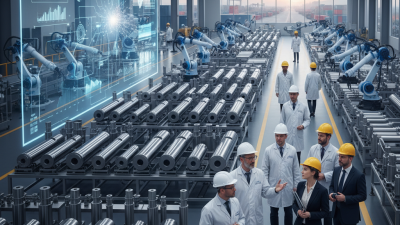
Current industry reports indicate that China accounts for a significant share of global hydraulic cylinder production. This is due to its robust supply chain and a large number of manufacturers focusing on this niche. However, navigating this market can be challenging for global buyers. It requires diligence and an understanding of key suppliers, who offer diverse product lines. Product quality, compliance with international standards, and service capabilities are critical factors influencing buyer decisions.
Buyers should also reflect on the sustainability practices of suppliers. As industries shift towards eco-friendliness, ensuring that suppliers adhere to responsible manufacturing processes is essential. Emphasizing these qualities can help in selecting the right hydraulic oil cylinder suppliers. Understanding these dynamics is vital for making informed choices in today’s competitive landscape.
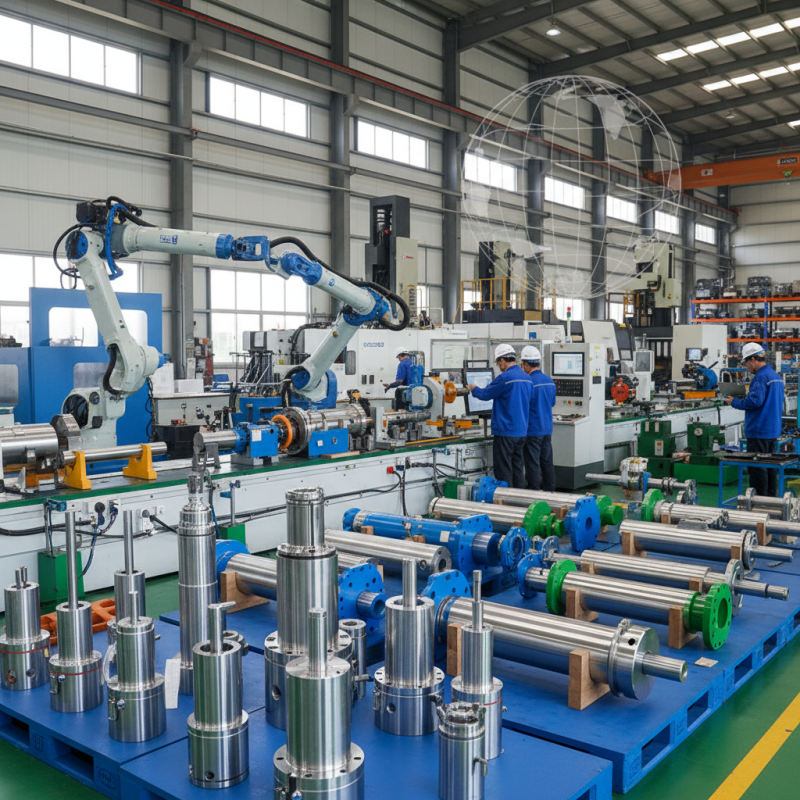
Hydraulic oil cylinders are essential in various industries. From construction to manufacturing, they amplify force. These cylinders function by converting hydraulic pressure into linear motion. They are designed to lift heavy loads with precision and control. According to a recent industry report, the global hydraulic cylinder market is expected to grow at a CAGR of approximately 5.6% by 2026, reaching a value of around $16 billion. This data highlights the rising demand for reliable hydraulic systems in industrial applications.
The versatility of hydraulic oil cylinders is striking. They are pivotal in equipment like forklifts, excavators, and conveyor systems. In construction, they power machinery that moves vast amounts of earth efficiently. Manufacturing units utilize these cylinders for assembly lines and packaging processes. However, there are concerns regarding leaks and maintenance. Frequent inspections are recommended to prevent operational failures. The average service life of a hydraulic cylinder ranges from 10 to 20 years, but many factors can influence this duration, such as operating conditions and load cycles.
Without adequate lubrication, hydraulic systems could face severe challenges. Professionals emphasize the importance of monitoring oil quality and levels. Neglecting these factors can lead to catastrophic failures. It’s crucial to recognize these vulnerabilities while relying on hydraulic technology. As industries evolve, so must our approach to maintaining these vital components.
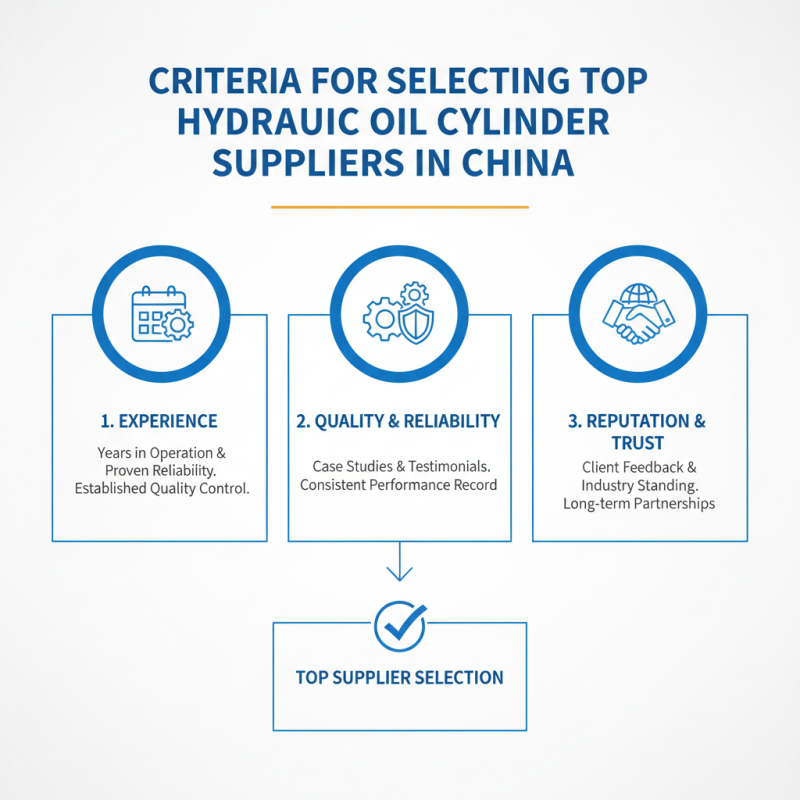
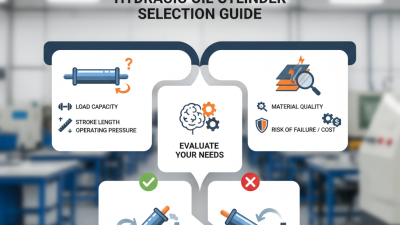
When selecting top hydraulic oil cylinder suppliers in China, it’s vital to assess several key criteria. Experience is paramount. A supplier with years of operation often demonstrates reliability. They likely have established quality control measures. Reviewing case studies or testimonials can offer insight into their past performance.
In addition to experience, consider specialization. Some suppliers focus on specific industries, like construction or manufacturing. Their expertise can lead to better product quality and innovative solutions. Communication is another critical aspect. A supplier should be responsive and open to discussions. It shows their commitment to customer service and satisfaction.
Quality certifications provide assurance. Look for suppliers with recognized certifications. This indicates adherence to international standards. However, be cautious. Not all certified suppliers maintain consistent quality. Regular checks and collaboration can prevent unpleasant surprises during production. Trust is earned over time with proven results. Choose wisely and remain vigilant.
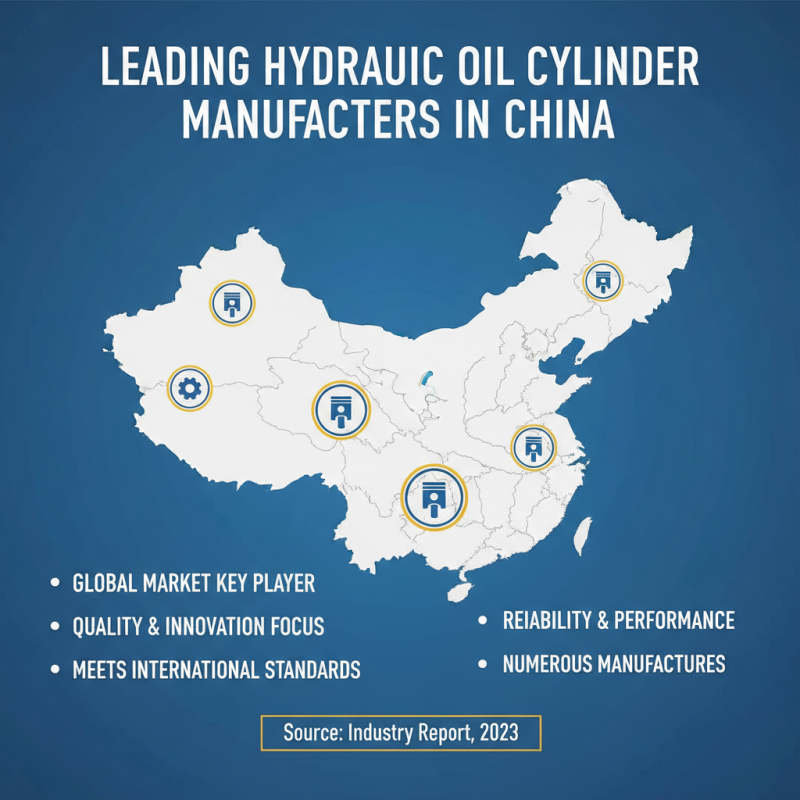
China has become a key player in the global hydraulic oil cylinder market. The country boasts numerous manufacturers. Many of these companies prioritize quality and innovation. They focus on meeting international standards. Buyers look for reliability and performance in hydraulic systems.
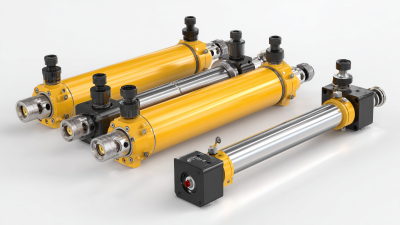
Leading manufacturers offer various types of hydraulic cylinders. Some specialize in double-acting cylinders. Others focus on single-acting options. It's crucial for buyers to evaluate the technical specifications. Attention to detail is essential. Quality control measures are often highlighted, but implementation can vary.
Not all suppliers maintain the same level of expertise. Some may lack experience in exporting. This could lead to challenges in communication. Understanding local market dynamics is vital for successful transactions. Buyers should conduct thorough research before engaging suppliers. It helps to ensure a partnership is based on trust and capability.
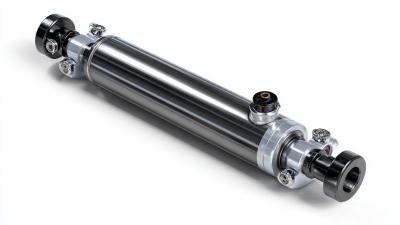
Hydraulic oil cylinders are essential in various industries. They help in lifting, pushing, or pulling heavy loads. The design and features of these cylinders have evolved significantly. Modern hydraulic cylinders focus on enhancing performance and safety.
One key innovation is the use of advanced materials. Manufacturers are utilizing lightweight yet durable alloys. This improves efficiency while reducing wear and tear. Additionally, some cylinders now feature integrated sensors. These sensors monitor pressure and temperature in real-time. They alert operators to potential failures before they happen.
However, not all innovations are flawless. Some users report issues with sensor calibration. Regular maintenance becomes more crucial. The complexity of these features can lead to higher costs. Buyers often face dilemmas balancing performance and budget. Understanding these aspects helps in making informed decisions.
In today's global market, the demand for hydraulic oil cylinders continues to rise. This growth is fueled by the increasing need for automation and efficient machinery across various sectors. Industries such as construction, agriculture, and manufacturing depend heavily on reliable hydraulic systems. Buyers must be aware of the latest trends in cylinder technology, including advancements in material science and energy efficiency.
Tips: Always assess your supplier’s capability. A reliable supplier maintains rigorous quality control. Look for partnerships that emphasize sustainability and innovation.
The global market is also influenced by regional factors. Emerging economies are expanding their manufacturing bases. This expansion creates additional demand for hydraulic solutions. Buyers should consider suppliers that align with their specific operational needs. Understanding the local market dynamics is crucial for making informed decisions.
Consider the environmental impact of hydraulic systems. With increasing regulations, buyers must seek solutions that reduce emissions and enhance energy efficiency. This evolving landscape requires constant adaptation and reflection on procurement strategies. Buyers should remain flexible and ready to explore new supplier options as technologies evolve.
| Supplier Type | Annual Production Capacity (Units) | Export Ratio (%) | Main Applications | Quality Certifications |
|---|---|---|---|---|
| Manufacturer | 150,000 | 60 | Construction, Agriculture | ISO 9001, CE |
| Distributor | 70,000 | 40 | Automotive, Mining | ISO 14001 |
| OEM Supplier | 100,000 | 75 | Marine, Industrial Equipment | API, ASME |
| Wholesale Supplier | 200,000 | 50 | Agriculture, Construction | ISO 9001, CE |