How to Choose the Best Hydraulic Oil Cylinder for Your Needs?
Choosing the right Hydraulic Oil Cylinder is crucial for optimal performance in various industrial applications. According to a recent report by the International Fluid Power Society, the hydraulic cylinder market is expected to grow by 5% annually, highlighting its significance. Experienced professionals emphasize the importance of selecting the ideal cylinder based on specific needs.
Dr. Jane Smith, a leading expert in hydraulic systems, states, “The right hydraulic oil cylinder can enhance productivity and ensure safety.” This emphasizes that not all cylinders meet every requirement. Factors such as load capacity, stroke length, and environmental conditions must be considered.
Many users overlook details that can impact functionality. Not addressing these can lead to inefficiencies or failures. The choice of the Hydraulic Oil Cylinder can affect not only machinery but also overall operational costs. Investing time in research leads to better decisions, enhancing reliability in the long run.
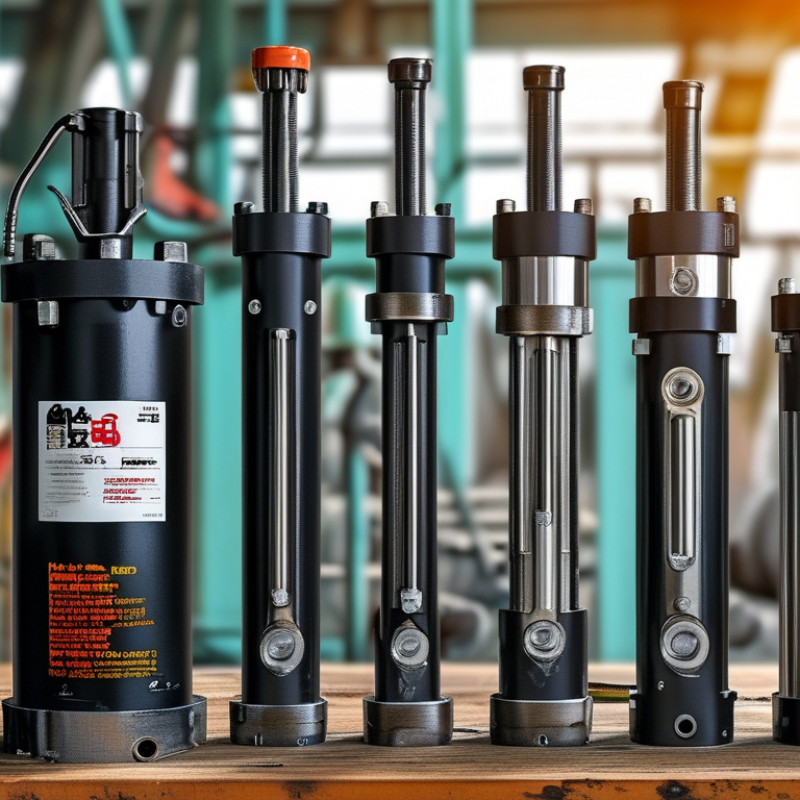
Understanding the Basics of Hydraulic Oil Cylinders
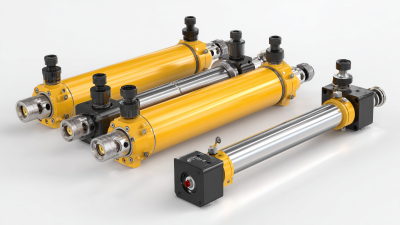
Hydraulic oil cylinders are essential in various industries, enabling machinery to perform heavy lifting and moving tasks efficiently. Understanding their basic components is crucial for making informed choices. A hydraulic cylinder comprises a cylinder barrel, piston, and hydraulic fluid. The fluid acts on the piston, creating movement through pressure. This concept is backed by data from industry reports, which suggest that hydraulic systems account for over 70% of machinery-based applications in construction and manufacturing.
Selecting the right hydraulic oil is equally important. Viscosity and fluid type can influence performance. Studies indicate that using the appropriate oil can enhance efficiency by up to 30%. Additionally, contaminants in oil can lead to cylinder wear and failure, which raises maintenance costs. Recognizing the limitations of various oils is vital. Not all oils perform well under extreme temperatures or high pressure.
Awareness of specifications and manufacturer guidelines is key. For example, the ISO 6743 standard classifies hydraulic fluids, providing guidance on viscosity grades. With numerous options available, having a solid grasp of hydraulic oil properties will help avoid common pitfalls. This approach builds reliability into your hydraulic system, promoting longevity and operational safety.
Hydraulic Oil Cylinder Selection Criteria
Identifying Your Application Requirements for Hydraulic Cylinders
When selecting a hydraulic oil cylinder, understanding your application requirements is crucial. Different applications dictate specific needs for size, force, and speed. Are you lifting heavy loads, or are you engaged in precision tasks? Identifying the required forces and actions helps narrow your choices. Consider operating pressures, stroke lengths, and the required speed of operation.
Temperature and environment also play vital roles. Will your cylinder operate in harsh conditions or extreme temperatures? Proper seals and materials help ensure functionality in these cases. Evaluate the installation space, as dimensions significantly influence performance. It can be challenging to balance dimensions with the necessary force output.
Feedback from your team can reveal overlooked factors. Are there user experiences suggesting modifications? Engaging operators in discussions about their hands-on experience can enhance your decision-making. Sometimes, smaller cylinders may outperform larger counterparts in specific tasks. Reflecting on your unique requirements enables a tailored approach to choosing the right hydraulic oil cylinder. Engaging with experts can help clarify complex needs and provide deeper insights.
Assessing Compatibility with Hydraulic Fluids and Materials
When selecting a hydraulic oil cylinder, compatibility with hydraulic fluids and materials is crucial. Each hydraulic fluid has specific properties, such as viscosity and chemical composition. Ensuring that these match the cylinder's materials prevents degradation over time. For instance, certain seals and hoses can break down if exposed to incompatible fluids. Regular checks can help identify compatibility issues early.
Material selection plays a significant role in overall performance. Aluminum cylinders may offer lightweight benefits but can corrode faster in aggressive environments. In contrast, steel cylinders provide strength but may add weight. Assess the environment where the cylinder will operate. Extreme temperatures or exposure to contaminants can alter material integrity.
It’s easy to overlook these details, leading to performance failures. Failing to assess chemical compatibility can cause leaks or system failures. Regular consultations with hydraulic specialists can shine a light on overlooked aspects. A proactive approach to materials and fluid compatibility enhances durability and efficiency. Understanding the balance of materials and fluid properties is essential for any hydraulic system's longevity.
How to Choose the Best Hydraulic Oil Cylinder for Your Needs? - Assessing Compatibility with Hydraulic Fluids and Materials
| Criterion |
Recommended Standards |
Common Materials |
Fluid Compatibility |
Temperature Range |
| Cylinder Diameter |
ISO 6020/2 |
Steel, Aluminum |
Hydraulic Oil, Water Glycol |
-20°C to 80°C |
| Working Pressure |
ISO 7396 |
Cast Iron, Composite |
Biodegradable Fluids |
-10°C to 60°C |
| Seal Material |
NBR, FKM |
Rubber, Polyurethane |
Mineral Oils, Water |
-40°C to 100°C |
| Rod Material |
C-1060, C-1045 |
Stainless Steel, Chrome-plated |
Biobased Oils |
-20°C to 70°C |
| Mounting Style |
ISO 6431 |
Aluminum Extrusions |
Fire-resistant Fluids |
-30°C to 60°C |
Evaluating Size and Pressure Ratings for Optimal Performance
Choosing the right hydraulic oil cylinder involves understanding size and pressure ratings.
Size is crucial to ensure it fits your machinery and system. Measure the available space carefully.
A cylinder that is too large may hinder operation.
Conversely, one that is too small might not handle the required load effectively.
Pressure ratings define how much force a cylinder can generate. Evaluate the maximum pressure your application will experience.
Select a cylinder rated above this threshold to avoid failures. High-pressure cylinders typically cost more.
Reflect on your budget and operational demands. You want reliability, but cost-effectiveness is vital too.
Remember that specifications can vary significantly among manufacturers. Always confirm details.
Don’t make assumptions based on general information. Seek advice from professionals with experience in hydraulic systems.
They can provide insights rooted in real-world applications. This combination of diligence and expert opinions will enhance your decision-making process.
Budget Considerations and Maintenance for Hydraulic Oil Cylinders
When selecting hydraulic oil cylinders, budget considerations play a crucial role. Recent industry reports indicate that the cost of these cylinders can vary significantly. Depending on their size and specifications, prices can range from a few hundred to several thousand dollars. For businesses, it is vital to consider both initial and long-term costs. Investing in a high-quality cylinder may save money on repairs or replacements in the future.
Maintenance also impacts the overall budget. Proper care can extend the lifespan of hydraulic cylinders, which typically averages around 8,000 to 10,000 hours of operation. Regularly checking hydraulic fluid levels, seals, and fittings can prevent costly breakdowns. Industry studies suggest that routine maintenance can reduce operational costs by up to 30%. Investing time in maintenance is essential for ensuring reliability and efficiency.
Tips for managing costs effectively include prioritizing quality over price. Sometimes, a cheaper cylinder may require more frequent repairs. Additionally, consider training your team on proper maintenance techniques. Small adjustments can lead to significant savings. Ultimately, understanding these aspects can guide you in choosing the right hydraulic oil cylinder for your applications.