2026 Best Hydraulic Oil Cylinder Buying Guide for Global Buyers?
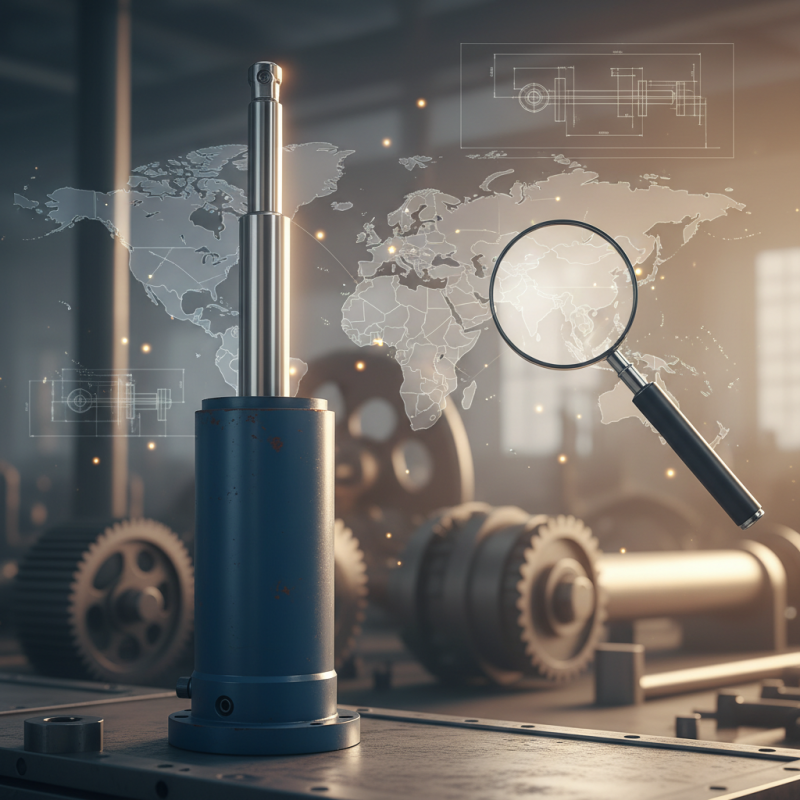
When searching for the best hydraulic oil cylinder, many factors come into play. Choosing the right one can significantly impact your operations. A hydraulic oil cylinder is vital in various industries, from construction to manufacturing.
Global buyers face the challenge of selecting a product that fits their specific needs. Quality and performance are crucial. However, not every cylinder meets high standards, leading to potential regrets later. Reliability and durability are key concerns. Ensure you consider the manufacturer’s reputation and expertise in hydraulic solutions.
Research is necessary for success. Look for expert reviews and user feedback. Remember, a wrong choice can lead to operational inefficiencies and increased costs. Engaging with reliable sources can save you time and resources. Reflect on your needs to make an informed decision.
Understanding Hydraulic Oil Cylinders and Their Applications
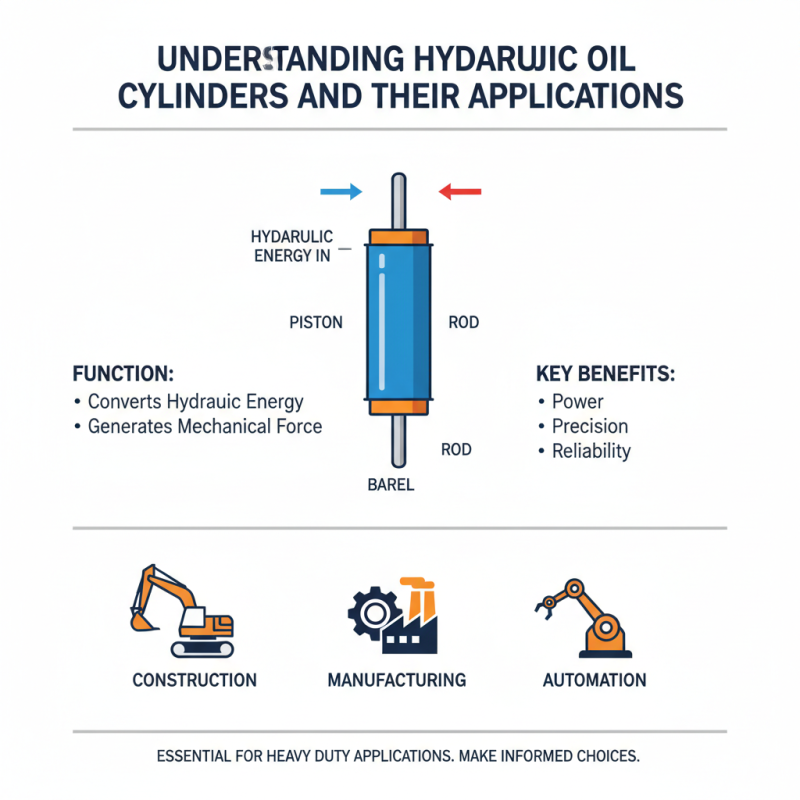
Hydraulic oil cylinders are crucial components in many industries. They convert hydraulic energy into mechanical force. This process is essential for applications like construction, manufacturing, and automation. By understanding how these cylinders work, buyers can make informed choices.
Applications of hydraulic oil cylinders vary widely. In construction, they lift heavy materials with precision. In manufacturing, they operate machinery for efficient production. These cylinders offer the advantage of high power-to-weight ratios. However, selecting the right cylinder can be daunting. Factors such as stroke length and bore size must be considered. Misjudgments can lead to inefficiencies or equipment damage.
Maintenance is another key aspect. Regular inspections can prevent leaks and ensure optimal performance. Buyers should prioritize quality and compatibility with their systems. Understanding the specifications is vital. Sometimes, recommendations from experts are necessary to navigate complex needs. Recognizing the importance of expert insights can enhance decision-making. It is a journey that requires patience and careful thought.
Key Factors to Consider When Buying Hydraulic Oil Cylinders
When selecting hydraulic oil cylinders, buyers should consider several key factors to ensure they make an informed choice. The material of the cylinder plays a crucial role in durability and performance. Common materials include steel and aluminum, each with its advantages. Steel offers strength but is heavier, while aluminum provides a lighter option but may not withstand extreme pressures.
Fluid compatibility is another critical aspect. Selecting the right hydraulic fluid can prevent degradation of the cylinder. For instance, oil additives can affect seals and other components. Reports indicate that around 20% of hydraulic cylinder failures result from fluid compatibility issues. Understanding this can save significant costs in maintenance and unexpected downtime.
The dimensions and specifications also warrant attention. Factors like bore size and stroke length dictate the cylinder's efficiency and application suitability. Many professionals recommend consulting specific industry guidelines. Rigorous testing and adherence to these standards ensure reliability. However, even with the right choices, miscalculations can occur. Buyers must continuously evaluate their needs and adjust their selections accordingly. This reflective approach can lead to improved outcomes in their hydraulic applications.
2026 Hydraulic Oil Cylinder Performance Metrics
Types of Hydraulic Oil Cylinders Available in the Market
Hydraulic oil cylinders are essential in various industries. They harness hydraulic pressure to produce linear motion. Understanding the types available helps buyers make informed choices.
There are several types of hydraulic oil cylinders. Tie-rod cylinders are common; they offer robust construction. They are easy to maintain and have a wide range of applications. Compact cylinders are another option. They save space and work well in tight environments.
Some buyers may overlook double-acting cylinders. These provide power in both directions, improving efficiency. However, they may require more complex installations. Choosing the right type depends on specific needs. It's crucial to consider factors like load capacity and mounting options.
2026 Best Hydraulic Oil Cylinder Buying Guide for Global Buyers
| Type |
Max Pressure (PSI) |
Bore Size (inches) |
Stroke Length (inches) |
Weight (lbs) |
Material |
| Double Acting |
3000 |
3 |
24 |
75 |
Steel |
| Single Acting |
2500 |
2.5 |
18 |
50 |
Aluminum |
| Tandem Cylinder |
3500 |
4 |
30 |
100 |
Carbon Steel |
| Compact Cylinder |
2000 |
1.5 |
10 |
30 |
Stainless Steel |
Assessing Quality and Standards for Hydraulic Oil Cylinders
When selecting hydraulic oil cylinders, assessing quality is paramount. Look for cylinders made from high-grade steel or aluminum. These materials enhance durability and performance. Inspect the seals as well. High-quality seals prevent leaks and extend the cylinder's lifespan. Pay attention to the manufacturing process, as advanced techniques often lead to better reliability.
Standards play a crucial role in ensuring safety and efficiency. Familiarize yourself with international standards that govern hydraulic systems. Compliance with these standards indicates reliability. Performance ratings are also essential. Check for specifications about pressure limits and operational temperatures. A cylinder may look good but fail under pressure if not properly rated.
In this complex landscape, every detail matters. Even minor flaws in quality can lead to significant issues. Consider the origin of materials and manufacturing practices. Do diligent research before making a purchase. Seek feedback from professionals in the industry. Their experiences can highlight potential pitfalls. Addressing these concerns will lead to smarter buying decisions and ultimately safer operations.
Top Brands and Manufacturers for Hydraulic Oil Cylinders in 2026
When searching for hydraulic oil cylinders, understanding the top brands is essential. Reputable manufacturers focus on quality, performance, and reliability. They invest in advanced technology and materials to ensure their products meet industry standards. Each brand has its strengths, often varying in design and functionality.
Some brands emphasize customization, allowing buyers to tailor cylinders to specific applications. This is crucial for unique machinery needs. Others excel in durability, ensuring longevity under tough conditions. Buyers should assess their operational requirements carefully.
The balance between cost and performance is often a challenge. Factors like maintenance and service support play significant roles in long-term satisfaction.
While many brands offer promising options, not all guarantee results. Researching user reviews and industry feedback is vital. Engaging with communities can provide insights into real-world experiences with products. It’s important to reflect on what works best for individual projects.
Stay open to learning from both successes and failures. This approach fosters better purchasing decisions for hydraulic oil cylinders.