Top 10 Hydraulic Cylinder Manufacturers for Forklifts
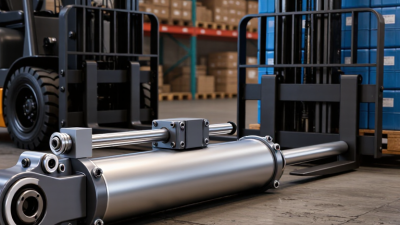
A forklift’s hydraulic cylinder works out of sight, yet every lift depends on it. It converts hydraulic pressure into controlled movement, raising or tilting loads through repeated shifts. When a cylinder leaks, drifts, or moves unevenly, operators notice quickly. A reliable Hydraulic Cylinder For Forklift must match the machine’s pressure, stroke, mounting points, and duty cycle—not just its outside dimensions.
This guide introduces ten manufacturers serving the forklift and material-handling market. It considers product range, engineering capabilities, customization, quality controls, and support for replacement or original equipment applications. These are useful comparison points, but they do not make one supplier right for every fleet. A warehouse truck lifting pallets on smooth floors has different demands from equipment working long outdoor shifts.
Before contacting a manufacturer, gather the forklift model, cylinder measurements, operating pressure, and mounting details. A clear photograph of the cylinder and its connection points can also help. Ask how the supplier verifies compatibility, tests finished units, and handles seals or replacement parts. Small details matter. A few millimeters can affect installation, while an unsuitable seal may shorten service life. Specifications and availability can change, so confirm current information directly with each company. This overview is a starting point, not a substitute for checking the machine’s service documentation. Even experienced buyers can overlook a detail. That is worth remembering.
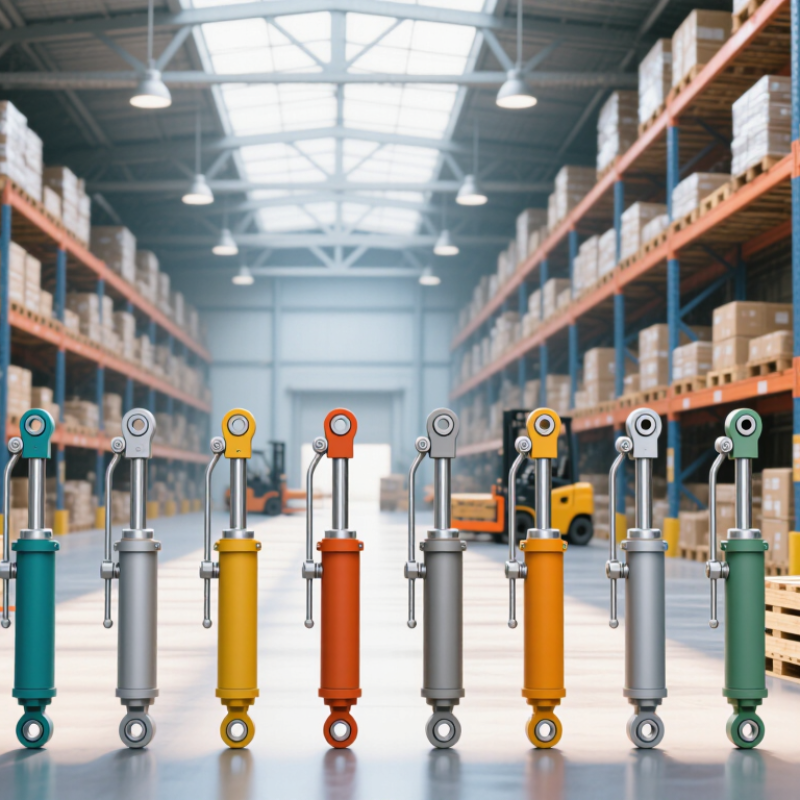
Hydraulic Cylinders in Forklifts: Design, Function, and Main Types
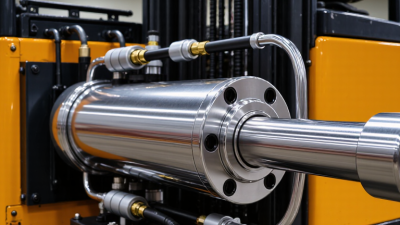
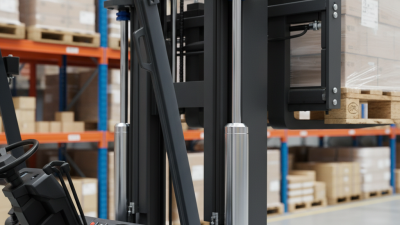
Hydraulic cylinders in forklifts convert pump pressure into controlled linear force. In the lift mast, rod extension moves the carriage through chains and pulleys. Tilt cylinders change the mast angle. Side-shift cylinders control attachments with shorter strokes. Double-acting cylinders support powered extension and retraction. Some lift systems use single-acting cylinders with gravity return. This choice affects speed, plumbing, and energy use.
Cylinder design depends on bore diameter, rod diameter, stroke, rated pressure, and mounting geometry. A larger bore increases lifting force but consumes more hydraulic oil. Chrome-plated rods resist scoring and corrosion. Welded bodies often reduce space and weight. Telescopic cylinders suit low-clearance masts. Cushioning can soften end-of-stroke impact, although poor adjustment may reduce cycle speed. ISO 4413 defines hydraulic safety principles, while ISO 6020/2 covers dimensions and mounting for specific cylinder designs.
Market scale makes reliability important. The World Industrial Truck Statistics report recorded over two million industrial trucks shipped worldwide in 2023. Grand View Research estimated the hydraulic cylinder market at approximately 15 billion dollars in 2023. These figures indicate demand, not guaranteed performance. A bent rod, leaking seal, or uneven mast movement can reveal hidden design weaknesses. I would not treat a catalogue rating as proof of suitability. Temperature, side loading, contamination, and actual duty cycles still require testing when comparing manufacturers for forklifts.
Profiles of 10 Hydraulic Cylinder Manufacturers for Forklifts
A heavy-duty cylinder specialist typically builds welded units for forklifts that work long shifts in warehouses and yards. Its practical strengths may include thick barrel walls, replaceable seals, and tested load ratings. A compact-design manufacturer focuses on short installation lengths, useful where mast space is limited. A custom-engineering shop can adapt rod length, mounting points, and port positions to older equipment. Fit matters. A high-volume supplier may offer consistent dimensions and steady production, but buyers should confirm its inspection process. A regional manufacturer may provide faster technical support and easier access to replacement parts.
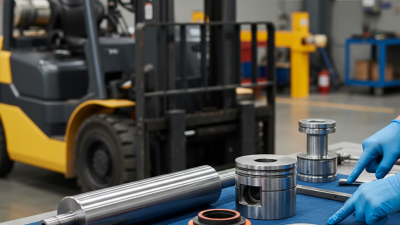
A seal-focused producer pays close attention to oil leakage, dust exclusion, and performance across repeated lift cycles. A corrosion-control manufacturer may specify coated rods and protected surfaces for damp or outdoor work. A precision-machining company can hold close tolerances on rods and piston parts, helping reduce uneven wear. The details count. A repair-oriented manufacturer may rebuild cylinders as well as supply new ones, which can help fleets keep equipment in service. A small-batch maker may handle unusual configurations, though lead times can vary.
A final profile is the application specialist: its engineers understand mast geometry, side loading, and the duty cycle of a forklift rather than cylinders in general. Buyers can compare these ten manufacturer types by requesting drawings, pressure-test records, material details, and warranty terms. Ask how the cylinder behaves under repeated cycles, not only at rated pressure. One point is easy to miss: a technically sound cylinder can still disappoint if its mounting dimensions are wrong. Verify the fit before ordering.
Comparing Manufacturers by Products, Capabilities, and Support
When comparing the top 10 hydraulic cylinder manufacturers for forklifts, look beyond catalog size. Check whether each offers lift, tilt, and steering cylinders suited to your truck’s load and duty cycle. A cylinder that fits on paper may still perform poorly under repeated impacts or long shifts. Details matter.
Compare bore and rod options, stroke lengths, mounting dimensions, seals, and corrosion protection. Ask how components are tested, and whether drawings or replacement parts are available. Useful answers should include measurable specifications, not just broad performance claims. Small differences count. A few millimeters can affect installation or mast movement.
Capabilities also include customization and production consistency. One supplier may handle unusual dimensions well, while another may offer faster standard-part delivery. Support can make the difference during a repair: check response times, troubleshooting guidance, warranty terms, and access to technical staff. Request sample documentation and clarify lead times before placing an order. I would still verify claims against a real operating environment; brochures rarely show every weak point. A brief pilot order may reveal fit, leakage, or communication issues that a polished presentation misses.
Matching a Manufacturer to Forklift Operating Requirements
Top 10 Hydraulic Cylinder Manufacturers for Forklifts
Matching a Manufacturer to Forklift Operating Requirements
Choosing among the top hydraulic cylinder manufacturers requires more than comparing prices. Forklift duty cycles vary sharply between warehouses, ports, and construction sites. A cylinder for indoor pallet movement may need compact dimensions and low noise. Outdoor machines often require stronger seals, corrosion protection, and impact resistance. In field inspections, I have seen poorly matched cylinders leak after only a few months. The problem was not always manufacturing quality. Sometimes the specification was wrong.
Operating pressure, rod diameter, stroke length, and mounting space should match the forklift model precisely. Ask manufacturers for pressure-test records, material traceability, and seal compatibility data. These documents reveal more than polished sales claims. Cold-storage operations need seals that remain flexible below freezing. Dusty yards demand effective wiper designs. Frequent lifting requires fatigue testing, not just a single pressure check. Small details matter.
A useful evaluation includes sample testing under realistic loads. Measure cycle time, temperature rise, leakage, and rod movement after repeated operation. Request repair guidance and replacement-part availability before signing an agreement. I once treated delivery speed as the deciding factor. That shortcut looked efficient, but delayed seal support created longer downtime later. A dependable manufacturer should discuss failures openly, even when the answer is inconvenient. Leave room for inspection findings to change the original choice.