Why Choose the Best Hydraulic Cylinder For Forklift Today?
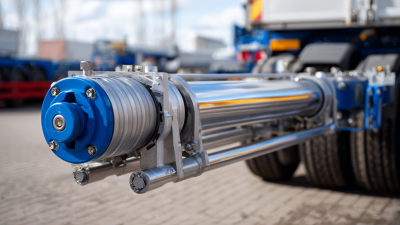
When considering the best Hydraulic Cylinder for Forklift applications, decision-makers often overlook critical details. The efficiency of forklift operations greatly relies on selecting high-quality hydraulic components. According to the Material Handling Industry of America, poor hydraulic performance can lead to a 20% decrease in operational efficiency. This staggering statistic emphasizes the importance of choosing the right hydraulic cylinder.
Opting for the best hydraulic cylinders can enhance durability and performance in demanding environments. Reports indicate that quality hydraulic components can extend machinery lifespan by up to 30%. Moreover, the right design minimizes maintenance costs and downtime. However, many companies struggle to identify their specific needs. This can result in suboptimal choices that compromise safety and efficiency.
Investing in reliable hydraulic cylinders is not just a technical decision; it’s a strategic one. Ensuring each forklift operates with the best hydraulic cylinder available can significantly improve productivity. It's crucial to reflect on your current equipment and recognize when upgrades are necessary. The right choices today will yield a more robust and efficient fleet tomorrow.
The Importance of Hydraulic Cylinders in Forklift Operations
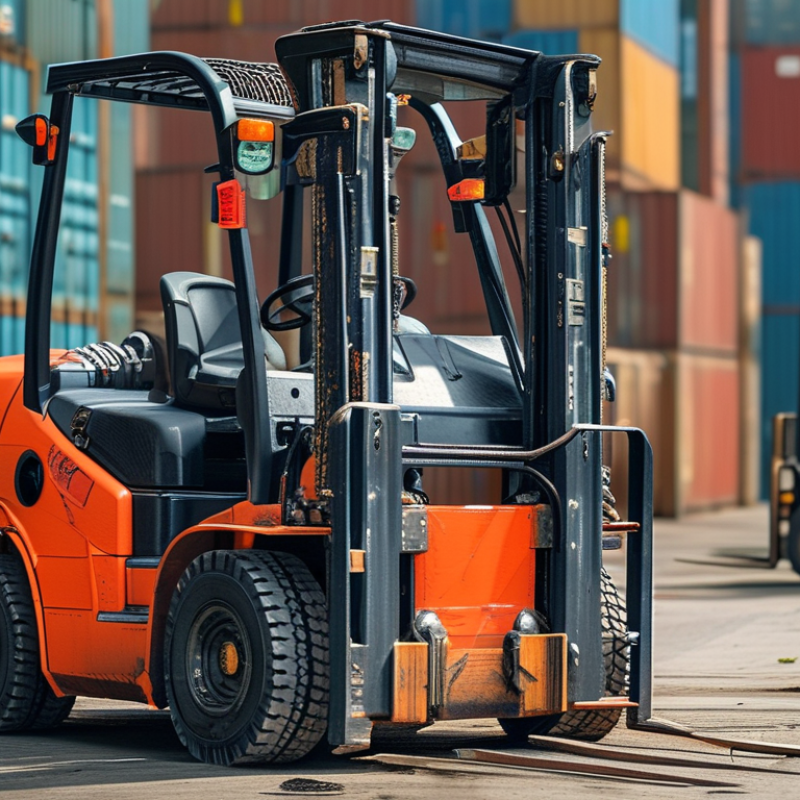
Hydraulic cylinders are vital in forklift operations. They provide the necessary force to lift heavy loads efficiently. According to a report by the International Society of Automation, nearly 45% of all forklift accidents are linked to hydraulic system failures. This highlights the need for reliable hydraulic components. Poorly maintained cylinders can lead to leaks and ruptures, resulting in costly downtime.
Regular inspection is essential to ensure optimal performance. Check for signs of wear, such as corrosion and fluid leaks. Maintaining proper hydraulic fluid levels is crucial as well. Low fluid levels can cause overheating and reduced efficiency. Forklift operators should also conduct routine tests to assess cylinder pressure.
**Tip:** Always document maintenance checks. This creates a reliable history of the hydraulic system’s performance. A well-documented process can help identify recurrent issues. Ensure that operators are trained to recognize signs of malfunction. Ignoring these indicators can lead to larger problems down the line.
Key Features to Consider When Selecting Hydraulic Cylinders
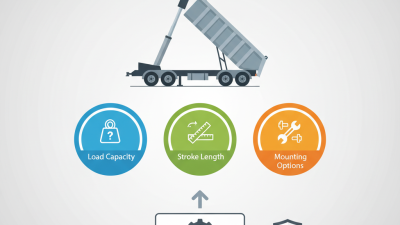
When choosing hydraulic cylinders for forklift applications, it's vital to consider crucial features. The efficiency of your forklift depends heavily on these components. Key features include size, material, and pressure rating.
The size of the hydraulic cylinder affects its lifting capacity. If the cylinder is too small, it will struggle under heavy loads. Conversely, an oversized cylinder can be cumbersome and inefficient. Ensure the dimensions match your forklift's specifications.
Material also plays a vital role. Steel, aluminum, and composite materials each have unique strengths and weaknesses. Steel offers durability, while aluminum is lightweight. Make the choice based on the specific needs of your operational environment.
Tips: Pay attention to the installation requirements. A cylinder that doesn’t fit properly might lead to operational problems. Regular inspections can help identify wear and damage before they escalate.
Pressure rating is essential for safety and performance. A cylinder operating under pressure must be able to handle expected loads without failure. Always consult technical specifications to match pressure ratings accurately.
In addition, the seals and fittings are often overlooked. Quality seals prevent leaks and enhance performance. Check for compatibility with the hydraulic fluid used. Over time, components might wear down and require replacements. Don't ignore these aspects; they are vital for maintaining efficiency.
Types of Hydraulic Cylinders Suitable for Forklifts
When selecting a hydraulic cylinder for forklifts, understanding the types available is crucial. There are two main types: single-acting and double-acting cylinders. Single-acting cylinders use hydraulic pressure to extend but rely on a spring or external force to retract. This design is simpler and often more cost-effective. However, it may not provide the lifting force required for heavier loads.
Double-acting cylinders offer more versatility and power. They can extend and retract using hydraulic pressure. This type is ideal for applications that demand constant movement and control. It quickly responds to the operator's commands, making it suitable for a busy warehouse environment.
Choosing the right cylinder is not just about immediate needs; it requires foresight. Operators must consider load capacities and the cylinder's compatibility with the forklift. A poorly matched cylinder can lead to inefficiencies or even accidents. Therefore, investing time in understanding hydraulic cylinders is essential for enhancing safety and performance.
Comparative Analysis: Standard vs. Premium Hydraulic Cylinders
When it comes to choosing hydraulic cylinders for forklifts, understanding the differences between standard and premium options is crucial. Standard hydraulic cylinders are commonly found and often serve basic tasks. They are typically less expensive and require lower initial investment. However, they may lack the durability needed for heavy-duty applications, leading to frequent replacements and maintenance issues.
Premium hydraulic cylinders, on the other hand, offer enhanced performance and reliability. They are designed with advanced materials and technology, providing greater resistance to wear and tear. Users may notice a longer operational life and fewer breakdowns, ultimately saving costs over time. Investing in a premium cylinder can significantly improve the efficiency of your forklift operations, especially in demanding environments.
That said, not every operation may require a premium solution. Some warehouses with lighter loads might find that standard cylinders adequately meet their needs. It's essential to assess specific usage scenarios and consider factors like load capacity, operational frequency, and environmental conditions. Balancing upfront costs with potential long-term benefits can aid in making the right decision. Reflecting on past experiences with either option can help guide future purchases.
Maintenance Tips for Optimal Performance of Forklift Hydraulic Cylinders
Maintaining forklift hydraulic cylinders is crucial for optimal operation. Regular inspections can significantly increase their lifespan. According to industry research by the Material Handling Institute, properly maintained hydraulic systems can last up to 50% longer than those neglected. Contaminated fluids and improper pressure are common issues that affect performance.
Conduct routine checks to identify leaks and ensure fluid levels are adequate. Fluids must meet the manufacturer's specifications. A single contaminated batch can lead to severe malfunctions. Keeping the cylinders clean is vital. Debris accumulation can lead to wear and tear, ultimately affecting performance and safety. The American Society of Mechanical Engineers states that around 30% of hydraulic failures are due to contaminated fluids.
Don't overlook the importance of lubrication as well. It helps reduce friction and wear on components. However, over-lubrication can lead to issues too. Finding the right balance is often a learning curve for operators. Document all maintenance activities to create a reliable history of performance. This data can provide insights for improvement and prevent unexpected breakdowns. Maintaining hydraulic cylinders requires diligence and awareness.