How to Choose the Right Hydraulic Cylinder for Your Forklift?
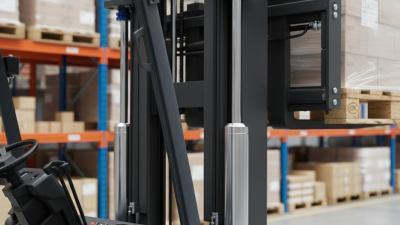
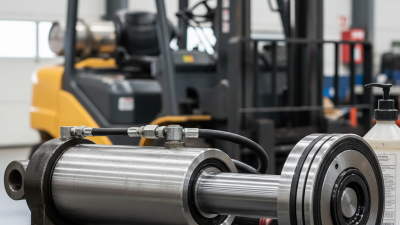
Choosing the right hydraulic cylinder for forklift operations can be a complex task. Jim Roberts, a hydraulic systems expert with over 20 years of experience, states, "A well-selected hydraulic cylinder can enhance efficiency and safety dramatically." In the world of material handling, the hydraulic cylinder for forklift serves as a critical component. It directly affects lifting capabilities and operational reliability.
Understanding the specifications is essential. The right cylinder impacts load capacity, lifting speed, and even energy consumption. Operators must consider factors like size, stroke length, and material type. However, many overlook these details. Poor choices can lead to inefficiencies and safety hazards.
Ultimately, selecting the right hydraulic cylinder for forklift is not just about fitting parts together. It's about creating a reliable system. Reflecting on past mistakes and asking for expert advice can lead to better decisions. In this industry, precision matters, and so does the choice of the hydraulic cylinder for forklift.
Understanding Hydraulic Cylinders and Their Function in Forklifts
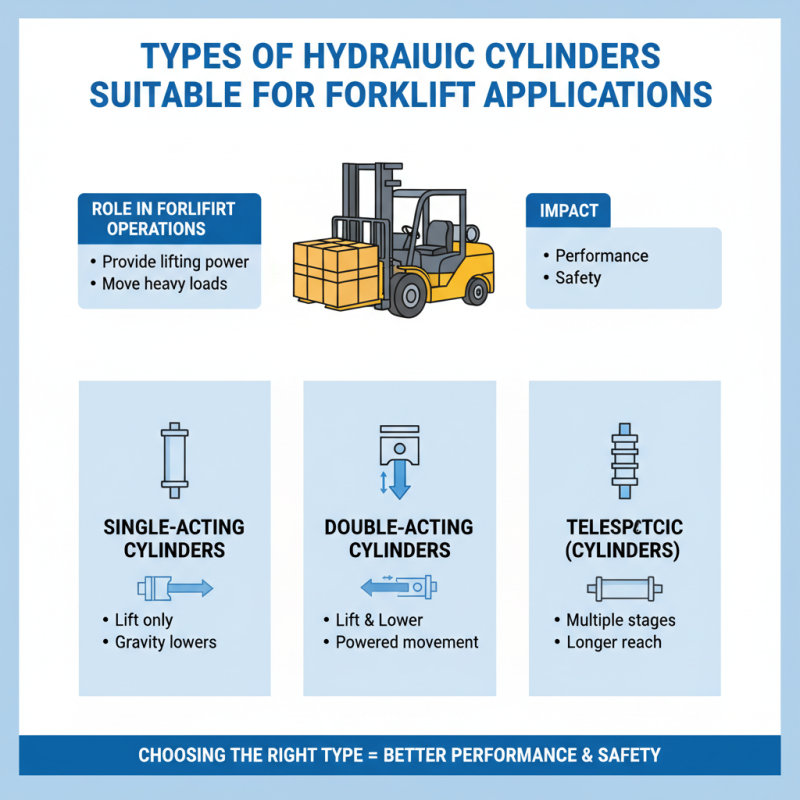
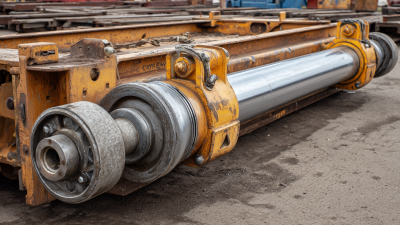
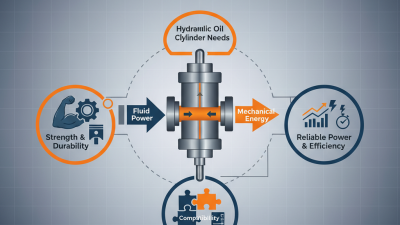
Hydraulic cylinders are critical components in forklifts. They convert hydraulic energy into mechanical energy. This process allows forklifts to lift, lower, and tilt loads efficiently. Understanding this mechanism helps users select the right cylinder for their needs.
Consider the load capacity and stroke length when choosing a hydraulic cylinder. These aspects determine how much weight the forklift can safely handle. It's also vital to assess the working environment. Factors like temperature, dust, and moisture can affect cylinder performance. A cylinder designed for harsh conditions may be necessary in some cases.
Not all hydraulic cylinders are created equal. Some may not operate smoothly under prolonged use. Users should monitor cylinder performance for any irregularities. Regular maintenance checks can help identify issues before they escalate. This proactive approach can ensure the longevity of the hydraulic system in your forklift.
Key Factors to Consider When Selecting Hydraulic Cylinders
When selecting the right hydraulic cylinder for your forklift, there are key factors to consider.
Cylinder size is essential. It impacts lifting capacity and stability. You need to measure the available space within the forklift.
A cylinder too large may not fit properly, causing operational issues.
Next, consider the working pressure. Check the specifics of the forklift's hydraulic system. Different applications require various pressure levels.
Ignoring this detail can lead to cylinder failure. Additionally, look at the material and construction quality.
A well-made cylinder lasts longer and operates efficiently.
Don’t overlook compatibility. Ensure the hydraulic cylinder matches other forklift components.
Mismatched elements can cause inefficiency and costly repairs. Always seek expert advice if unsure.
Assessing all these factors can prevent future problems. It’s important to reflect on your choices.
Choosing poorly now could lead to bigger headaches later.
Compatibility with Forklift Specifications and Load Requirements
Choosing the right hydraulic cylinder for a forklift is essential. The selection directly affects performance and safety. Compatibility with forklift specifications is crucial. Each forklift model has unique hydraulic demands. These requirements often depend on load capacity and operational context.
When evaluating hydraulic cylinders, consider factors like stroke length, bore diameter, and pressure ratings. According to industry reports, nearly 30% of hydraulic failures come from improper selection. Miscalculating load requirements can lead to inefficiencies and potential hazards.
Tips: Always cross-reference your cylinder's specifications with your forklift's manual. Pay attention to load distributions. Uneven weight can strain hydraulic systems, leading to premature wear or failure. Regular maintenance also plays a role in extending cylinder life. A proactive approach ensures operational reliability.
Hydraulic Cylinder Load Capacity vs. Forklift Specifications
This chart compares the load capacity of different hydraulic cylinders suitable for forklifts against the lifting specifications needed for various applications.
Maintenance and Safety Considerations for Hydraulic Cylinders in Forklifts
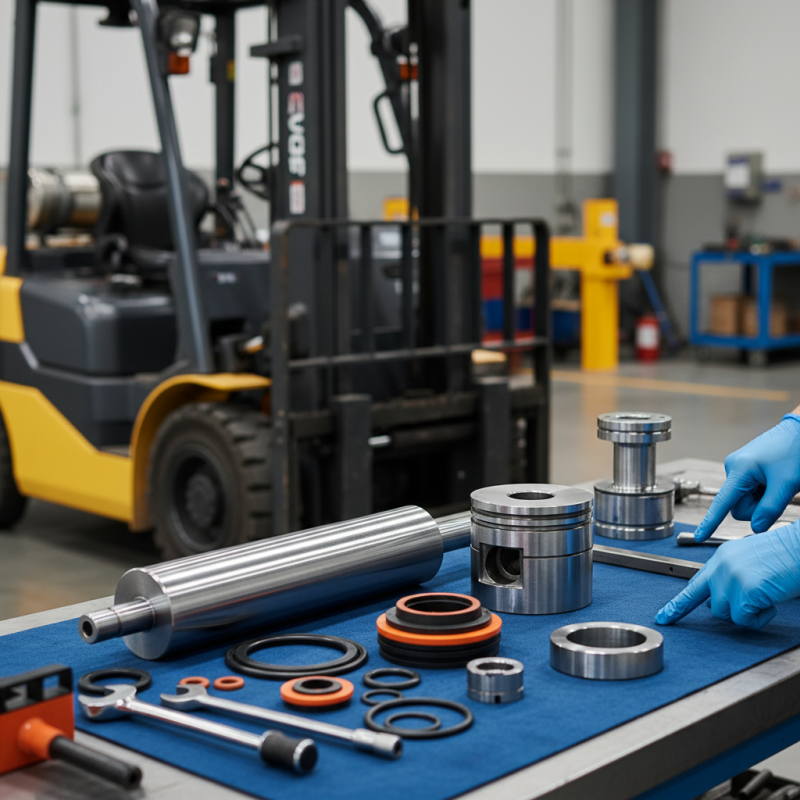
Maintaining hydraulic cylinders in forklifts is crucial for operational safety and efficiency. Regular visual inspections ensure there are no leaks or damages. Look for signs of wear on seals and fittings. A small leak can escalate into a major problem if not addressed. It’s essential to monitor fluid levels and maintain the hydraulic fluid’s cleanliness. Contaminated fluid can cause severe damage to the cylinder.
Safety is another key aspect. Forklift operators should be trained to recognize potential hazards. Incorrect use may result in cylinder failure. Always follow manufacturer guidelines for load limits. Overloading can lead to catastrophic cylinder malfunction. Regular maintenance schedules must be established and adhered to. Replace worn-out parts promptly to avoid safety risks.
Lastly, keep service records organized. This documentation can aid in tracking maintenance progress. It also helps in planning future inspections. Reflecting on past failures can lead to improved practices. Consider implementing a comprehensive training program for operators. Awareness of safety protocols fosters a proactive approach to maintenance.
How to Choose the Right Hydraulic Cylinder for Your Forklift? - Maintenance and Safety Considerations for Hydraulic Cylinders in Forklifts
| Dimension |
Value |
Maintenance Frequency |
Safety Tips |
| Bore Diameter |
2.5 inches |
Monthly |
Check for leaks around the seals |
| Rod Diameter |
1.5 inches |
Quarterly |
Ensure no dents or corrosion on the rod |
| Stroke Length |
24 inches |
Every use |
Verify smooth extension and retraction |
| Operating Pressure |
3000 psi |
Bi-weekly |
Monitor gauge readings regularly |
| Fluid Type |
AW32 Hydraulic Oil |
Annually |
Use manufacturer-recommended fluids only |