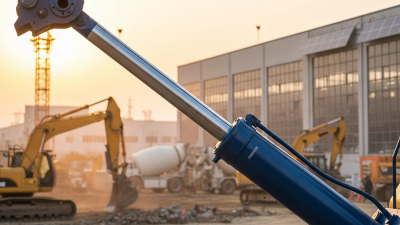
Top China Hydraulic Oil Cylinder Suppliers for Global Buyers?
In the competitive world of industrial machinery, the demand for high-quality Hydraulic Oil Cylinders is ever-increasing. Buyers from various sectors seek reliable suppliers that can offer exceptional performance and durability. China's market for hydraulic oil cylinders is notable, boasting a range of suppliers that cater to global needs.
These manufacturers are recognized for their innovative designs and high production standards. They understand the intricacies of hydraulic systems. However, not all suppliers maintain the same quality level. Some may cut corners to reduce costs, leading to issues in performance and reliability. Buyers must be discerning in their choice of suppliers, weighing the trade-offs between price and quality.
Understanding the landscape of China's hydraulic oil cylinder suppliers can be daunting. Reviews and case studies often highlight both the strengths and weaknesses of different companies. It's essential for buyers to conduct thorough research. Factoring in customer feedback and industry reputation helps in making informed decisions. The right supplier can significantly impact machinery efficiency and operational success.
Overview of Hydraulic Oil Cylinder Manufacturing in China
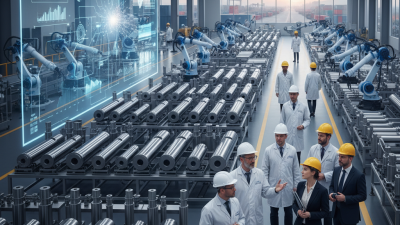
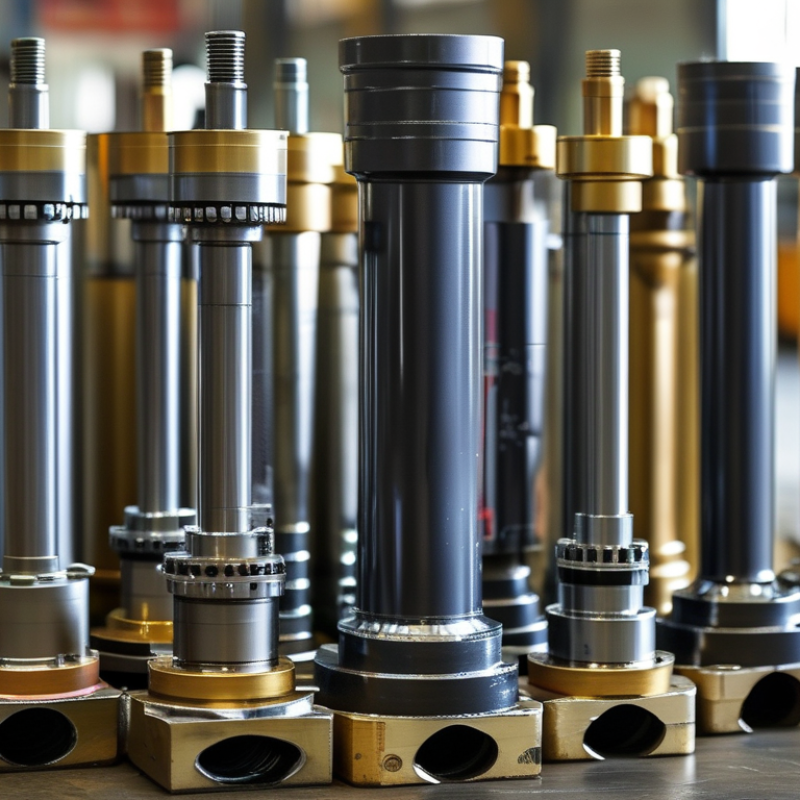
China's hydraulic oil cylinder manufacturing industry has seen significant growth in recent years. The country has become a global hub for producing these essential components. Advanced production techniques and a skilled workforce contribute to the high quality of hydraulic cylinders.
Many manufacturers focus on precision engineering to meet international standards. This ensures reliability and durability in various applications, such as construction and manufacturing machinery. The market is competitive, with numerous suppliers vying for attention. Buyers often seek partners who offer both quality and service.
Tips: Conduct thorough research before selecting a supplier. Check certifications and quality assurance processes. Building a relationship with suppliers can lead to better negotiation terms. Also, consider visiting manufacturing sites to verify capabilities and production standards. A personal visit can provide insights that online research might miss.
Key Features and Specifications of Hydraulic Oil Cylinders
Hydraulic oil cylinders are essential components in various machinery. They convert hydraulic energy into mechanical force, enabling heavy lifting and movement. This versatility makes them crucial across industries like construction, manufacturing, and transportation.
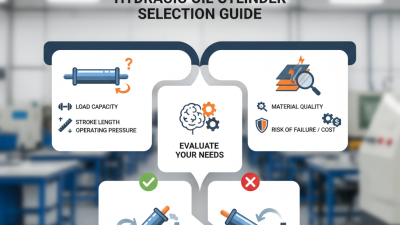
Key features of a hydraulic oil cylinder include its material, seal type, and bore size. Common materials are steel and aluminum, each selected for their durability and weight. Seals are vital for preventing leaks and ensuring efficiency. These cylinders range in bore size, impacting the force they can exert. A smaller bore results in less power, while larger ones can handle significant loads.
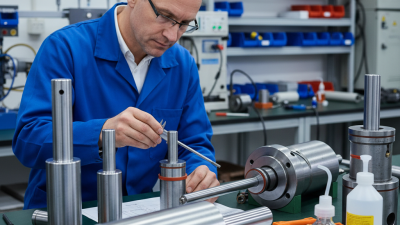
Manufacturers emphasize the importance of testing for quality assurance. Many cylinders undergo pressure testing to ensure reliability. However, some issues may arise, such as seal deterioration over time. Regular maintenance is crucial to prolong the lifespan of hydraulic cylinders. Lastly, understanding the specific application requirements aids in choosing the right cylinder. Buyers should consider these factors carefully to prevent costly mistakes.
Leading Hydraulic Oil Cylinder Suppliers in China
China has emerged as a significant player in the global hydraulic oil cylinder market. Many suppliers in the country offer advanced technologies and solid manufacturing practices. These companies focus on providing reliable products that meet international safety and performance standards. Buyers can find a wide range of hydraulic oil cylinders tailored to various applications and industries.
The landscape includes both large manufacturers and smaller firms. Each has unique strengths and weaknesses. Large suppliers often have better resources, while smaller ones may provide more personalized service. It is important for global buyers to evaluate their specific needs. Quality, price, and service are key factors in decision-making.
However, challenges exist. Some suppliers may not consistently deliver the expected quality. Communication barriers can also complicate transactions. Buyers must do thorough research to mitigate these risks. Overall, China continues to be a hub for hydraulic oil cylinder production, but due diligence is essential.
Factors to Consider When Choosing a Supplier
When selecting a hydraulic oil cylinder supplier in China, various factors come into play. Quality should be a top priority. Look for suppliers that implement rigorous quality control measures. Check if their products meet international standards. This not only ensures safety but also durability. Additionally, assess their material sourcing. Reliable suppliers source high-grade materials. Lower quality inputs can lead to product failures.
Another essential factor is their experience in the industry. Suppliers with years of expertise often understand market demands better. They can offer tailored solutions for specific applications. A well-established supplier should also have a proven track record of customer satisfaction. Look for testimonials or case studies. This information can provide insights into their reliability and service quality.
Pricing is often a concern, but it should not overshadow other crucial elements, like support and availability. Engage with potential suppliers. Ask about their lead times and after-sales services. Effective communication can be a reliable indicator of their professionalism. A good supplier should respond promptly and address your queries. Reflect on these details before making a choice to ensure a fruitful partnership.
Global Supply Chain and Export Trends for Hydraulic Oil Cylinders
The global supply chain for hydraulic oil cylinders is dynamic and complex. China remains a critical player in this sector. Many manufacturers in China focus on innovation and quality. They often meet international standards. However, discrepancies in quality can arise due to varying production techniques. Not every supplier maintains consistent manufacturing practices. This variability can concern global buyers when sourcing these components.
Export trends indicate a growing demand for hydraulic oil cylinders in several regions. The construction and manufacturing sectors drive this demand. For instance, Europe and North America are key markets. Buyers from these regions prioritize suppliers that demonstrate reliability. Companies need to ensure timely deliveries to meet project schedules. Yet, some suppliers may struggle with logistics. Delays can happen, impacting client relationships.
The impact of global events also plays a role in the supply chain. Trade policies and tariffs can change quickly. These factors complicate the purchasing process. Buyers need to stay informed about these trends. Collaborating with suppliers who understand these challenges can enhance overall efficiency.
Top China Hydraulic Oil Cylinder Suppliers for Global Buyers
| Supplier Region |
Annual Production Capacity |
Export Volume (Units) |
Main Markets |
Price Range (USD) |
| Eastern China |
150,000 Cylinders |
75,000 |
North America, Europe |
$50 - $200 |
| Southern China |
200,000 Cylinders |
100,000 |
Asia, Middle East |
$75 - $250 |
| Northern China |
180,000 Cylinders |
90,000 |
Europe, Africa |
$60 - $220 |
| Central China |
120,000 Cylinders |
50,000 |
Australia, Southeast Asia |
$70 - $230 |
| Western China |
100,000 Cylinders |
40,000 |
South America, Eastern Europe |
$80 - $260 |