How to Choose the Right Hydraulic Oil Cylinder for Your Needs?
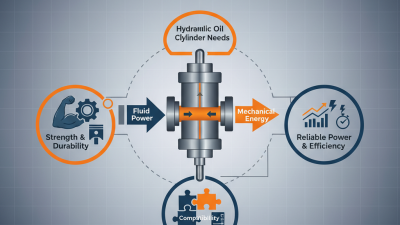
Choosing the right hydraulic oil cylinder is crucial for optimal performance. A hydraulic oil cylinder plays a vital role in various applications, from construction to manufacturing. Selecting the wrong one can lead to inefficiencies and equipment failure.
When considering which hydraulic oil cylinder to use, several factors come into play. The size, capacity, and operating pressure are all essential. Each application has unique requirements. Overlooking these details can be costly. It's important to weigh the options carefully.
Many users assume that all hydraulic oil cylinders are interchangeable. This is a misconception. The specific needs of your machinery should guide your choice. Engaging with manufacturers or consulting experts can provide valuable insights. This approach often reveals nuances that might not be initially obvious. Taking the time to reflect on your distinct requirements will ultimately lead to better outcomes.
Understanding the Basics of Hydraulic Oil Cylinders
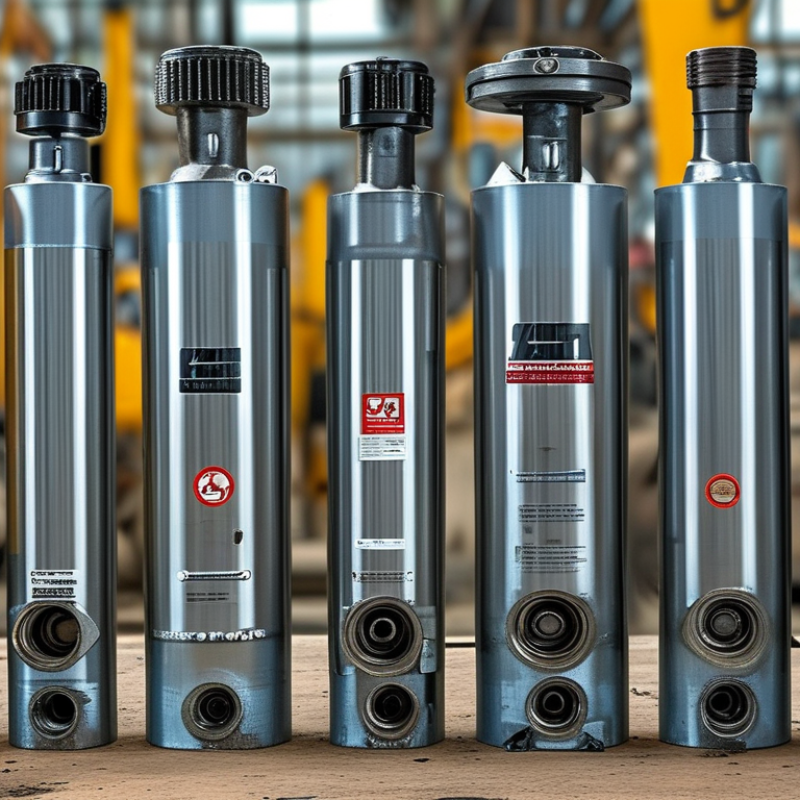
Hydraulic oil cylinders are essential in various applications. Understanding the basics can help ensure you choose the right one for your needs. A hydraulic cylinder converts hydraulic energy into linear motion. This allows machines to perform tasks effectively. The size, stroke length, and construction material of a hydraulic cylinder are vital considerations.
When selecting a hydraulic oil cylinder, consider the operating pressure it will face. A cylinder rated for high pressure can improve performance. Remember, the environment affects the choice of materials. For example, corrosive environments require specific materials to enhance durability. Be mindful of the oil used in the system. The oil's viscosity influences the cylinder's responsiveness.
**Tips:** Always evaluate the cylinder’s mounting style. Incorrect mounting can lead to premature failure. Moreover, inspect seals and other components before installation. Regular maintenance extends the life of the cylinder. If unsure about specifications, consult with a hydraulic systems expert. Their insights can prevent costly mistakes. Understanding these aspects will guide you in making informed decisions.
Hydraulic Oil Cylinder Specifications Comparison
Identifying Your Specific Application Needs
Choosing the right hydraulic oil cylinder is crucial for effective performance in various applications. Understanding your specific needs is the first step. Different operations require varying pressure levels, sizes, and types of control. According to industry reports, up to 30% of equipment failures stem from inappropriate hydraulic system choices.
Pressure ratings are a major factor. Determine the maximum pressure your application will encounter. This can range from 500 psi in lighter tasks to 5,000 psi or more for industrial machinery. Selecting an oil cylinder with the correct rating is essential for longevity and reliability. Size also matters; a mismatch can lead to inefficiencies or even system failure.
Tip: Assess your workspace before selecting a cylinder. Available space can dictate whether a compact or standard design is more suitable.
Fluid compatibility is another consideration. Not all hydraulic fluids work with every cylinder. Look for compatibility to avoid corrosive or detrimental reactions. Utilizing the wrong fluid can significantly shorten cylinder lifespan. Referencing industry standards will guide your fluid selection process.
Tip: Regularly check fluid conditions and cylinder integrity. Proactive maintenance can prevent unexpected downtime.
Make informed decisions based on the application demands and accurately assess your requirements for optimal hydraulic cylinder performance.
Evaluating Material and Construction Quality
When selecting a hydraulic oil cylinder, material and construction quality are paramount. The cylinder's material must resist corrosion and wear. Often, steel and aluminum are popular choices. Steel offers strength, but aluminum is lighter and can enhance efficiency. The grade and treatment of these materials impact their performance. Coatings can further improve durability.
Construction quality reflects on the machining precision. Smooth surface finish helps minimize friction, thus prolonging the cylinder’s life. Weld quality is also crucial; poor welds can lead to failures under pressure. It's essential to inspect seams and joints carefully. A small oversight in construction can result in significant issues down the line.
In addition to materials and construction, consider the manufacturer's reputation. Experience in the industry matters. Seek expert reviews and testimonials. These insights add valuable context to your decisions. Sometimes, even the smallest details can reveal much about the manufacturer's commitment to quality. Ask questions and discuss concerns before purchasing. It’s worth the extra effort to ensure you make an informed choice.
Choosing the Right Size and Specifications
When selecting a hydraulic oil cylinder, choosing the right size and specifications is crucial. The cylinder's diameter, stroke length, and mounting style must align with your application needs. According to recent industry reports, incorrect sizing can lead to inefficiencies, up to 20% loss in operational capacity. Each application demands specific parameters, so it's essential to assess your system thoroughly.
Understanding the load requirements is fundamental. The hydraulic cylinder should support the weight and pressure of the materials it will move or lift. Inadequate sizing can cause premature failure, leading to costly downtimes. For instance, a cylinder operating outside its recommended pressure limits can lead to leaks or malfunctions, compromising safety. Always consider the maximum working pressure that fits your project.
Tips: Always consult technical specifications before making a purchase. Check for compatibility with existing machinery. Don’t overlook ambient conditions—temperature and environment can affect performance. Conducting thorough calculations helps ensure the longevity of your hydraulic cylinder. Keep in mind that oversizing may also pose risks, such as increased costs and wasted energy. Ensure your choice is a balance of performance and efficiency for optimal results.
How to Choose the Right Hydraulic Oil Cylinder for Your Needs?
| Dimension |
Specification |
Typical Application |
Pressure Rating (psi) |
Fluid Compatibility |
| 2 inches |
Single-acting |
Automated assembly |
1000 |
Mineral oil |
| 3 inches |
Double-acting |
Construction machinery |
1500 |
Biodegradable fluid |
| 4 inches |
Telescopic |
Mobile lifting equipment |
2000 |
Water-based fluid |
| 5 inches |
Single-acting |
Industrial presses |
2500 |
Standard hydraulic fluid |
Considering Maintenance and Operational Factors
When choosing a hydraulic oil cylinder, maintenance and operational factors are crucial. An effective maintenance plan can significantly enhance the lifespan of hydraulic systems. Research indicates that proper maintenance can reduce equipment failure rates by up to 25%. Regular checks for leaks and fluid quality contribute to optimal performance. Utilizing the right oil types can prevent premature wear and improve efficiency.
Temperature fluctuations impact hydraulic oils. Reports show that over 60% of hydraulic system failures are linked to improper fluid management. Choosing fluids with high thermal stability is essential, especially in fluctuating environments. Monitoring viscosity ensures consistent operation. Routine analysis of oil samples helps detect degradation, enabling timely interventions.
Understanding the working environment is vital. Oil cylinders exposed to extreme conditions may need frequent servicing. A 2022 industry survey found that 70% of operators faced issues due to neglecting environmental factors. Optimizing maintenance schedules based on operational demands can diminish unplanned downtimes. Regular assessment and adjustments based on usage patterns can create more reliable systems.