How to Choose the Right Hydraulic Cylinder For Trailer Use?
When selecting the right hydraulic cylinder for trailer use, the decision can feel overwhelming. It's crucial to get it right the first time. Industry expert John Smith, a veteran in the hydraulic components market, notes, "Choosing the right hydraulic cylinder is key to your trailer's performance." With various sizes, capacities, and types available, the choices abound.
Understanding your specific needs is part of the challenge. For instance, consider the weight and application of your trailer. Features like stroke length and mounting style can significantly affect performance. You might find the options seem endless, yet picking one that fits your trailer’s requirements is essential.
Additionally, consult customer reviews and expert opinions. A trusted supplier can lend valuable insight. Remember, a mistake in your choice can lead to costly repairs down the road. Investing time in research ensures a reliable hydraulic cylinder for your trailer. Be sure to reflect on genuine user experiences, as they can guide your decision effectively.
Types of Hydraulic Cylinders Suitable for Trailers
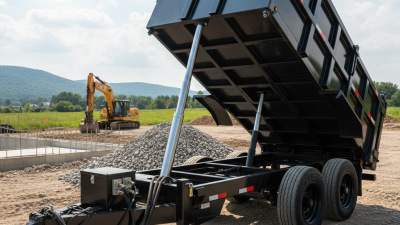
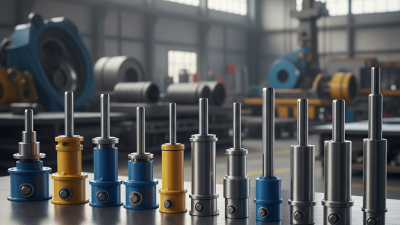
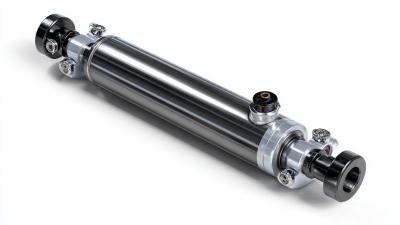
When selecting hydraulic cylinders for trailer use, understanding the various types is essential. There are generally two types: single-acting and double-acting cylinders. Single-acting cylinders use hydraulic pressure on one side, while the other side relies on gravity or a spring. This type is often simpler and lighter, making it suitable for lighter trailers. On the other hand, double-acting cylinders can apply force in both directions. They are ideal for heavy-duty trailers, providing better control over movements.
In addition to type, consider the bore size and stroke length. A larger bore size generally allows for greater load capacity. However, it can also increase weight and space requirements. The stroke length will dictate how far the trailer can lift or lower. Therefore, carefully assess the specific needs of your trailer to select the right dimensions.
Tip: Always check the pressure ratings for safety. A cylinder must withstand the trailer's operational demands.
Tip: Evaluate mounting styles and positions. Mounting can significantly influence performance and stability. A poor choice can lead to increased wear and tear on components.
Before making a final decision, consult with experts to avoid costly mistakes. Understanding your trailer’s needs helps in making an informed choice.
Key Specifications to Consider for Trailer Hydraulic Cylinders
Choosing the right hydraulic cylinder for trailer use involves several key specifications that demand attention. First, the cylinder bore diameter plays a critical role in load capacity. According to industry reports, a larger bore can handle greater pressures, offering improved performance under heavy loads. For instance, a cylinder with a 3-inch diameter can lift around 5,000 pounds, making it suitable for heavier trailers.
Stroke length is another vital specification. This determines how far the cylinder can extend. A report from the Hydraulic Institute indicates that selecting a stroke length that matches the trailer's lifting requirements is essential. An improper length can lead to insufficient lifting or potential damage.
Additionally, consider the hydraulic pressure rating. Most hydraulic systems operate between 1,500 to 3,000 PSI. Choosing a cylinder that can withstand these pressures is crucial for safety and functionality. It’s vital to ensure the cylinder fits within the pressure specifications of the trailer, as mismatches can lead to failures. Perhaps, this highlights a common oversight in the industry: many neglect to cross-check these specs. Ultimately, understanding these details can enhance efficiency and safety in trailer operations.
Evaluating Load Capacity and Pressure Ratings
Choosing the right hydraulic cylinder for trailer use requires careful consideration of
load capacity and pressure ratings. The load capacity refers to the maximum weight a hydraulic cylinder can support. This is crucial for ensuring that your trailer can safely haul its intended cargo. If the cylinder is undersized, it could fail under heavy loads. Always consult the specifications provided by the manufacturer to determine the appropriate load ratings for your specific application.
Pressure ratings are also vital. Each hydraulic cylinder has a maximum pressure it can withstand. Exceeding this limit could lead to catastrophic failure. When selecting a cylinder, evaluate the pressure requirements of your trailer’s hydraulic system. This includes considering the maximum operating pressure during peak load conditions. Ignoring pressure ratings can lead to accidents and costly repairs.
In practice, some might overlook the importance of matching these specifications to their specific needs. A cylinder that seems strong enough may not handle the stress it encounters on the road. Regular maintenance and inspection can help, but identifying the right specifications from the start is essential. Engaging in research and seeking expert advice can help in making informed decisions, ultimately enhancing safety and performance.
Installation Considerations for Hydraulic Cylinders on Trailers
When installing hydraulic cylinders on trailers, several key factors come into play. Proper positioning is critical. Place the cylinder in a location that optimally balances loads. An unbalanced setup can lead to uneven wear. Ensure that the alignment is correct to prevent unnecessary strain on the cylinder. Misalignment can also cause premature failure.
Another aspect to consider is the mounting hardware. Utilizing high-quality bolts and brackets is essential. Check the hardware specifications to match the cylinder's capacity. Poor-quality fasteners can weaken the structure and compromise safety. Regular inspections can help identify wear and tear early. This practice is essential for maintenance.
Lastly, the hydraulic fluid must be appropriate for the environment. Temperature fluctuations can affect performance. Ensure the fluid is compatible with the hydraulic system. Sometimes, overlooked details can lead to significant issues. Take the time to evaluate these factors thoroughly.
Hydraulic Cylinder Specifications for Trailer Use
This chart illustrates the relationship between different hydraulic cylinder specifications and their suitability for various trailer applications. The parameters considered include lift capacity (tons), stroke length (inches), and weight (lbs).
Maintenance Tips for Ensuring Optimal Performance of Cylinders
Proper maintenance of hydraulic cylinders is crucial for trailers. Studies indicate that nearly 25% of hydraulic system failures stem from poor maintenance practices. Regular inspection of seals, for instance, can prevent leaks and ultimately enhance cylinder longevity. Hydraulics can operate under high pressure; thus, small defects can lead to major issues.
Operators should regularly check fluid levels, ensuring they meet manufacturer specifications. Low fluid can strain the system, leading to inefficient operation. Hydraulic fluid should be changed based on usage intensity, ideally not exceeding 2,000 operating hours without a change. Dirt and moisture compromise fluid quality, so keeping the system clean is paramount.
Understanding the signs of wear is key. Cylinders should be monitored for unusual noises or slow extension and retraction. These could indicate internal damage. A proactive maintenance plan not only saves costs but enhances the safety and efficiency of trailer operations. Ignoring these factors could result in downtime or costly repairs. Always prioritize routine checks to maintain optimal performance.