What is a Dump Truck Hydraulic Hoist and How Does It Work?
The Dump Truck Hydraulic Hoist is a vital component in the construction and transportation industries. This mechanism allows for efficient unloading of heavy materials such as gravel, sand, and asphalt. According to a report by IBISWorld, the construction sector is expected to grow at an annual rate of 4.5% through 2025. This growth directly impacts the demand for dump trucks equipped with reliable hydraulic systems.
Hydraulic hoists operate based on principles of fluid mechanics. They can lift loads far heavier than traditional mechanical systems. A well-designed Dump Truck Hydraulic Hoist can significantly improve operational efficiency. However, these systems require regular maintenance to ensure safety. Reports indicate that improper use or lacking maintenance can lead to costly failures, affecting project timelines and budgets.
Understanding the mechanics of Dump Truck Hydraulic Hoists is crucial for industry professionals. Investment in training and knowledge can prevent mishaps. Workers must be aware of weight limits and maintenance procedures. This insight can help businesses avoid potential pitfalls. Each hydraulic hoist presents unique challenges, underscoring the importance of proper education and experience in operating these essential tools.
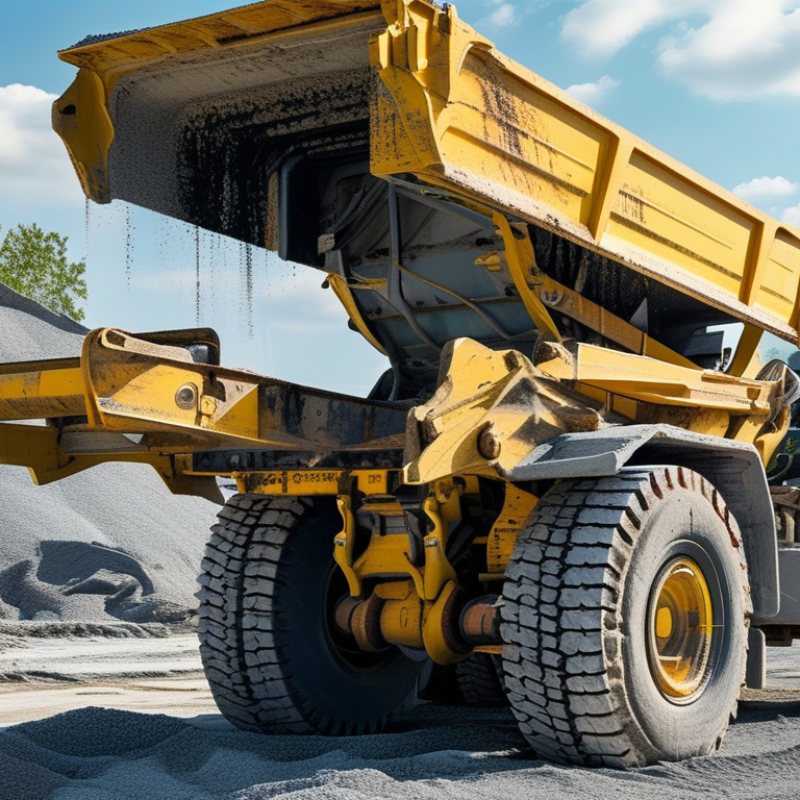
What is a Dump Truck Hydraulic Hoist?
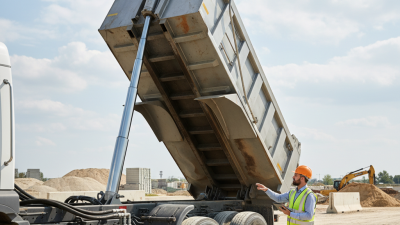
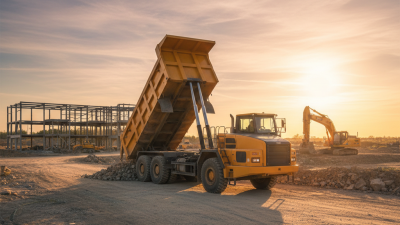
A dump truck hydraulic hoist is essential for transporting and unloading materials. It operates using hydraulic pressure to lift the truck bed. This system is effective for various tasks, like construction and landscaping. The hoist elevates the bed, allowing gravity to assist in unloading debris or materials. Understanding its operation can enhance safety and efficiency.
**Tips:**
Always check hydraulic fluid levels before operation. Regular maintenance can prevent unexpected failures. If you notice any leaks, address them immediately to ensure optimal performance. Small issues can lead to significant problems.
The hydraulic hoist consists of a cylinder, pump, and control. By pushing fluid into the cylinder, the hoist lifts. The operator controls the system with a lever or button. Misunderstanding the controls can lead to accidents. Proper training is crucial for safety.
**Tips:**
Familiarize yourself with the manual controls. A well-understood system enhances your operational efficiency. If you're uncertain, seek guidance from an experienced operator. Always observe safety protocols during the unloading process.
Dump Truck Hydraulic Hoist Performance Comparison
This bar chart illustrates the performance characteristics of a typical dump truck hydraulic hoist, including load capacity, cycle time, hydraulic pressure, and lift height. Each parameter is essential for understanding the efficiency and effectiveness of the hydraulic hoist in operations.
Components of a Dump Truck Hydraulic Hoist
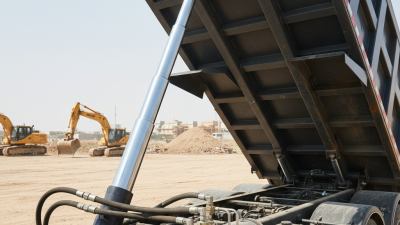
A dump truck hydraulic hoist is a crucial component in the construction and mining industries. Understanding its components can enhance operational efficiency. The hoist primarily consists of a hydraulic cylinder, a piston, and a power source. The hydraulic cylinder serves as the heart of the system, converting hydraulic pressure into mechanical energy to lift the truck bed.
The piston within the cylinder moves when hydraulic fluid is pumped. This movement elevates the truck bed, enabling the quick unloading of materials. A reliable power source, often a hydraulic pump, is essential. According to industry studies, nearly 70% of operational delays in construction come from inefficient hoist systems. Such statistics emphasize how vital these components are for productivity.
Lifting capacity and speed can vary significantly based on design. Some hoists are engineered for heavier loads but may have slower lift rates. Others prioritize rapid unloading but lack the strength for challenging materials. Proper maintenance is often overlooked, leading to potential failures. Regular inspections can prevent downtime and ensure safety during operation. Understanding these aspects helps in making informed choices about dump truck hydraulic hoists.
How Hydraulic Systems Function in Dump Trucks
Hydraulic systems play a crucial role in the operation of dump trucks. These systems utilize fluid under pressure to perform work. The hydraulic hoist transfers force from the engine to lift the truck bed. When activated, hydraulic fluid moves through hoses and cylinders. This movement raises the bed, allowing materials to be dumped efficiently.
Understanding the mechanics is essential. The hydraulic pump creates pressure when the engine runs. This pressure moves fluid to the hydraulic cylinder. The cylinder converts this pressure into lifting force. A poorly maintained system can lead to issues. Low fluid levels or leaks can impair functionality and safety. Regular checks are important to ensure optimal performance. Operators must be aware of these factors to prevent breakdowns.
It's also worth noting that while hydraulic systems are robust, they can fail. Operators should recognize signs of wear. Hissing sounds or slow movements indicate potential problems. Addressing these issues promptly can save time and costly repairs. Investing in maintenance is key for long-term reliability.
What is a Dump Truck Hydraulic Hoist and How Does It Work?
| Component |
Function |
Hydraulic Fluid |
Operating Pressure (psi) |
| Hydraulic Cylinder |
Lifts the dump body |
Hydraulic oil |
2000 - 3000 |
| Hydraulic Pump |
Pumps hydraulic fluid |
Hydraulic oil |
2000 - 3000 |
| Control Valve |
Controls the flow of hydraulic fluid |
Hydraulic oil |
N/A |
| Reservoir |
Holds hydraulic fluid |
Hydraulic oil |
N/A |
| Filter |
Removes contaminants from fluid |
Hydraulic oil |
N/A |
Step-by-Step Operation of a Hydraulic Hoist
The hydraulic hoist on a dump truck is essential for lifting heavy loads effectively. Understanding its operation requires a look at the hydraulic system components, including the pump, fluid, and cylinder. The pump creates pressure by moving hydraulic fluid into the cylinder. This pressure pushes the cylinder rod out, raising the truck bed.
During operation, ensure that the truck is on stable ground. This minimizes the risk of tipping while the load is raised. Once ready, engage the pump. Watch for any unexpected noises or movements. They may indicate a malfunction. Regular checks on the hydraulic fluid levels and the integrity of hoses enhance safety.
It’s crucial to avoid overloading the dump truck. Doing so can cause excessive wear and stress on the hydraulic components. Always consult the manufacturer’s load limits. During operation, never stand under the raised load. This is a common error and can lead to serious accidents. Consider using a lock or latch for added safety while actively loading or unloading materials.
Common Applications and Benefits of Dump Truck Hydraulic Hoists
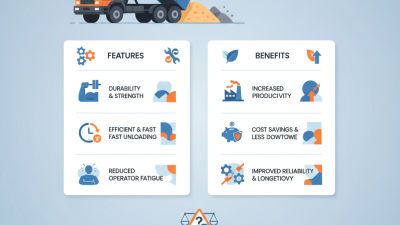
Dump truck hydraulic hoists are essential in various construction and transportation sectors. Their primary function is to lift and unload heavy materials quickly. This capability enhances productivity on job sites. According to industry reports, using hydraulic systems can increase material handling efficiency by 30% compared to traditional methods. This efficiency is crucial in busy environments, where time is money.
These hoists are widely used in construction, mining, and agriculture. In construction, they transport gravel, sand, and debris. In mining, they carry rocks and ores. Each application requires robust and reliable mechanisms for safety and efficiency. However, it is crucial to remember that not every dump truck is equipped with a high-quality hydraulic system. Some may struggle under heavy loads, leading to potential safety hazards. Industry statistics indicate that improper maintenance can reduce the hoist's lifespan by up to 40%.
The benefits of hydraulic hoists extend beyond efficiency. They offer precise control over load movements. This control minimizes spillage and reduces the risk of accidents. However, operators must be well-trained to avoid misuse. Inexperienced handling can lead to operational failures. Reports highlight that training and awareness can significantly improve safety and performance in the field.