Essential Tips for Choosing Hydraulic Oil Cylinders?
Choosing the right Hydraulic Oil Cylinder is crucial for ensuring operational efficiency. Industry expert John Harris once said, “The choice of hydraulic cylinders can make or break your machinery’s performance.” This quote underlines the importance of selecting the right components for hydraulic systems.
Hydraulic oil cylinders play pivotal roles in various industries, ranging from construction to manufacturing. Their efficiency directly affects productivity and safety. Understanding the specifications and characteristics of hydraulic cylinders can be daunting. For instance, the right capacity, stroke length, and materials affect durability and performance.
As you seek the best Hydraulic Oil Cylinder, consider both performance needs and application requirements. It's essential to align your choice with the intended use. However, even experienced professionals can make mistakes. Errors may arise from overlooking critical specifications. Reflection and careful assessment in the decision-making process are vital for achieving optimal results.
Understanding Hydraulic Oil Cylinders and Their Applications
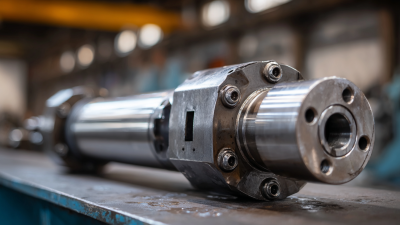
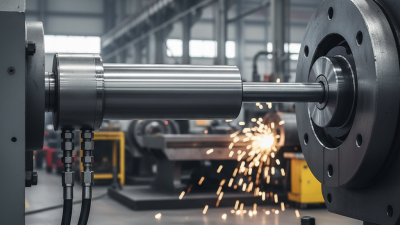
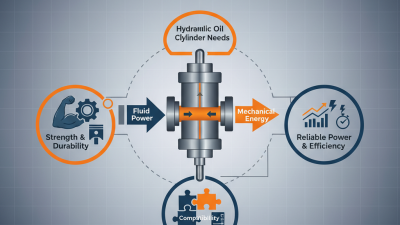
Hydraulic oil cylinders play a crucial role in various industrial applications, providing power and control. These cylinders convert hydraulic energy into mechanical force, allowing machinery to perform tasks efficiently. Common applications include construction equipment, manufacturing machinery, and agricultural tools. Understanding their operation is key to selecting the right cylinder for your needs.
When choosing hydraulic oil cylinders, consider the working pressure. Each cylinder has a specified pressure range. Exceeding this range can lead to failures, impacting productivity. Check the cylinder's specifications and ensure compatibility with your hydraulic system.
Material selection is equally important. Common materials include steel and aluminum. Steel offers durability, whereas aluminum can reduce weight. Weigh the benefits based on your application. Performance can vary based on the material. It’s essential to understand the trade-offs involved. Avoid rushing; a well-informed decision enhances safety and efficiency.
Maintenance is another aspect to consider. Regular checks can prevent unexpected breakdowns. Look for cylinders with accessible seals and fittings. This makes maintenance easier, prolonging the lifespan of the equipment. Keep in mind that choosing the optimal cylinder requires thorough research and consideration of your specific needs.
Key Factors to Consider When Selecting Hydraulic Oil Cylinders
When selecting hydraulic oil cylinders, there are several crucial factors to consider. The application type significantly influences your choice. Hydraulic cylinders operate differently under varying conditions. For instance, they are used in machinery, construction, and automotive applications. Each of these settings demands specific cylinder features for optimal performance.
Material selection is paramount. Common materials include steel and aluminum, each with its strengths. Steel is robust and ideal for heavy-duty applications. Aluminum is lighter, often used in mobile equipment. According to a recent report from the International Hydraulics Association, nearly 70% of hydraulic failures are linked to improper material choices. This highlights the importance of focusing on material compatibility with the working environment.
Cylinder size and capacity are also critical considerations. This involves accurately assessing the required power and load capabilities. An oversized cylinder leads to wasted energy. Conversely, an oversized load can cause premature wear. Research indicates that correct sizing can enhance operational efficiency by up to 30%. In addition, ensuring compatibility with existing systems remains vital to avoid costly modifications or replacements. Neglecting these factors can result in subpar performance and increased maintenance costs. Therefore, it’s essential to weigh all these considerations carefully before making a choice.
Materials and Construction: Choosing the Right Cylinder for Your Needs
When selecting hydraulic oil cylinders, material and construction play vital roles in performance and safety. Common materials include steel and aluminum. Steel offers strength and durability, while aluminum is lighter and resistant to corrosion. Consider your application needs. Heavy-duty tasks may require steel, whereas lighter jobs could benefit from aluminum's portability.
Cylinder construction is equally important. Look for weld integrity and finish quality. A poorly constructed cylinder can fail under pressure. The inner surface should be smooth to minimize friction and wear. Additionally, sealing methods are crucial. Reliable seals prevent leaks and maintain efficiency. Selecting the right construction type can impact the lifespan of the cylinder and operational safety.
Don’t overlook the importance of manufacturer specifications. Review load ratings, pressure limits, and maintenance requirements. Each cylinder has unique characteristics that should align with your specific application. Ignoring these details might lead to inefficient workflow or even accidents. Always weigh the pros and cons of the materials and construction before making a decision.
Compatibility and Viscosity: Ensuring Optimal Performance in Hydraulic Systems
Selecting the right hydraulic oil cylinders is crucial for maximizing system efficiency. One of the key factors to consider is oil compatibility. Different hydraulic systems have specific requirements. The oil's chemical composition must align with system materials to prevent degradation. A report from the Fluid Power Journal indicates that improper compatibility can lead to fluid breakdown, affecting performance by up to 30%.
Viscosity plays a vital role in hydraulic fluid selection. It directly influences the flow and pressure characteristics in operations. Choosing the wrong viscosity can result in sluggish or excessive wear in machinery. According to ISO standards, using fluids with proper viscosity can enhance energy efficiency by 15%. This can significantly improve system responsiveness during operation.
Hydraulic systems often operate in varying temperatures. Therefore, it's essential to select oils that maintain stable viscosity across these ranges. Not accounting for environmental conditions can lead to inefficient performance and increased energy costs. Recognizing these factors emphasizes the importance of careful selection in maintaining hydraulic system longevity and functionality.
Essential Tips for Choosing Hydraulic Oil Cylinders
| Dimension |
Value |
Notes |
| Inner Diameter |
50 mm |
Check compatibility with fittings |
| Stroke Length |
200 mm |
Ensure it meets application requirements |
| Operating Pressure |
250 bar |
Pressure ratings should match system |
| Oil Viscosity |
ISO VG 46 |
Select based on temperature and application |
| Cylinder Material |
Steel |
Consider corrosion resistance for longevity |
Maintenance Tips for Prolonging the Life of Hydraulic Oil Cylinders
Choosing the right hydraulic oil cylinders is vital, but maintenance is equally crucial to extending their lifespan. Regular maintenance can prevent costly breakdowns and ensure optimal performance. According to industry reports, proper maintenance can increase the lifespan of hydraulic cylinders by up to 50%. This statistic highlights the importance of diligent upkeep.
Routine checks on seals and fittings can detect leaks early. Fluid contamination is another major concern. Contaminated hydraulic fluid can lead to cylinder failure. Using filtration systems can significantly decrease this risk. Keep an eye on the hydraulic fluid's viscosity and temperature. Deviations can signal underlying issues that require immediate attention.
Cleaning the cylinders regularly is another practical step. Dirt and debris can cause significant wear over time. Utilize a soft cloth to wipe surfaces and inspect for scratches or damage. Operators often overlook the importance of this simple task, yet it can provide valuable insights into overall cylinder health. Regular maintenance is not just a best practice; it's a necessity for longevity.