How to Choose the Best Hydraulic Oil Cylinder for Your Needs?
Choosing the right Hydraulic Oil Cylinder can seem overwhelming. Many factors come into play. You need to consider the specifications and your project's requirements.
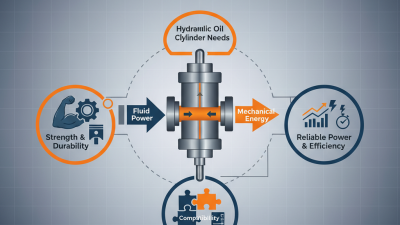
A Hydraulic Oil Cylinder is essential for various applications. Its role in machinery cannot be overstated. Selecting an appropriate cylinder ensures efficiency and durability. However, not all cylinders are created equal. Some may lack the quality needed for high-demand tasks.
Understanding the operational environment is crucial. Are you dealing with heavy loads or high pressures? Will the cylinder be exposed to extreme temperatures? These are factors that can make or break your project. It is wise to reflect on your specific needs. Ensure that your choice aligns with the task at hand. An inexperienced selection can lead to malfunctions or inefficient performance. Your goals should drive your decision-making process.
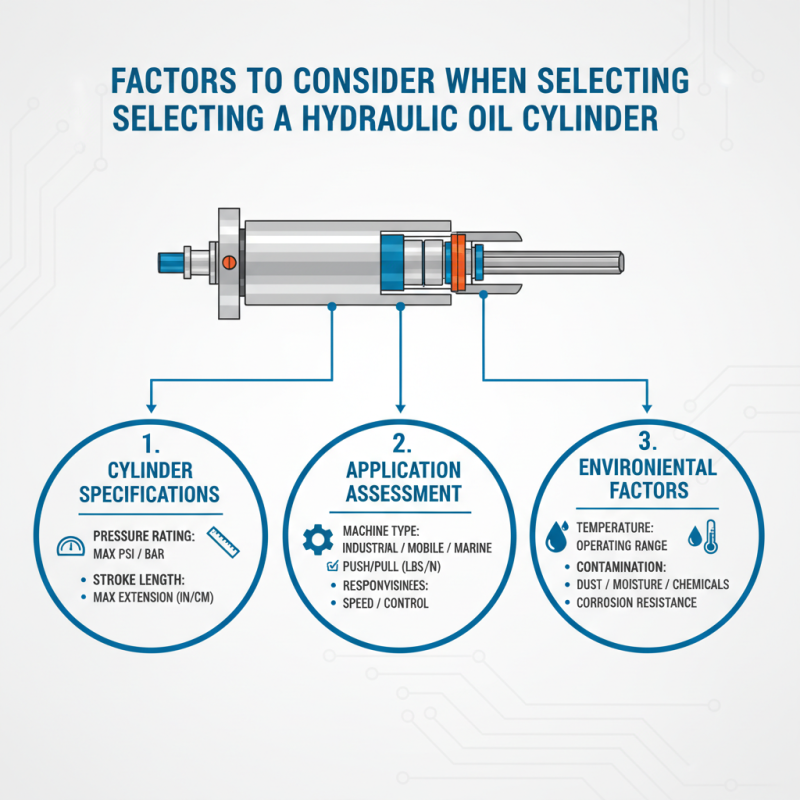
Factors to Consider When Selecting a Hydraulic Oil Cylinder
Selecting the right hydraulic oil cylinder requires careful consideration of several factors. First, assess the cylinder’s specification needs, including pressure ratings and stroke lengths. Examine the application your cylinder will serve. Different machines require varying force outputs and responsiveness. Understanding these requirements can guide you toward the most suitable option.
Material selection is another critical factor. Hydraulic oil cylinders can be made from various materials, such as steel or aluminum. Steel is known for durability and strength, while aluminum offers lightweight properties. Consider the environment in which the cylinder will operate. Harsh conditions may necessitate corrosion-resistant materials.
Lastly, reflect on maintenance requirements. Some hydraulic cylinders are easier to maintain than others. Regular checks can prevent longer-term issues. A more complex design may complicate repair processes. Therefore, ensure that maintenance fits within your operational capabilities. Adapting to all these elements assures that your choice will not only meet your current needs but also adapt to future demands.
Types of Hydraulic Oil Cylinders Available in the Market
When selecting hydraulic oil cylinders, understanding the types available is crucial. There are mainly two categories: single-acting and double-acting cylinders. Single-acting cylinders use hydraulic pressure in one direction, typically for lifting and then require a spring or gravity to return. According to the Hydraulic Institute, these cylinders are widely utilized in simple lifting tasks, such as material handling.
On the other hand, double-acting cylinders can push and pull. This type provides more versatility and is often used in more complex applications. Recent industry reports suggest that about 70% of hydraulic cylinder applications prefer double-acting due to their efficiency and control. Moreover, specific constructions like tie rod, welded, and telescopic cylinders cater to different operational needs. Telescopic cylinders, for instance, allow for a compact design while delivering significant stroke length.
Choosing the right cylinder involves considering the task's requirements. Factors such as load capacity, stroke length, and pressure ratings must align with your needs. Miscalculating these details might lead to inefficiencies or safety hazards. Therefore, it’s essential to reflect on the specific application and select a cylinder that balances performance and reliability.
Understanding Hydraulic Cylinder Specifications and Ratings
When selecting a hydraulic oil cylinder, understanding its specifications is crucial. Key parameters include stroke length, diameter, and pressure rating. According to ISO 6020-1 standards, continuous working pressure typically ranges from 10 to 30 MPa. The choice of materials also affects durability. Steel is common, but aluminum offers weight advantages.
It's essential to consider the cylinder's application. For lifting heavy loads, higher pressure ratings are necessary. Operating conditions like temperature variations affect fluid viscosity. Most hydraulic oils have a viscosity index (VI) between 95 and 200, ensuring performance across temperatures.
Tip: Always review the manufacturer's specifications. These provide insights into the cylinder’s capability and limitations.
Remember that not all specifications will meet your needs perfectly. Flaws in manufacturing can lead to efficiency issues. Also, some ratings might not accurately translate in real-world applications. Continuous feedback from users reveals discrepancies in reported performance versus actual outcomes. Evaluating such user experiences can build a more informed choice.
How to Evaluate the Quality and Durability of Hydraulic Cylinders
When evaluating the quality and durability of hydraulic cylinders, several factors come into play. First, examine the material used in the construction. High-quality steel or composite materials are preferable. These metals provide enhanced strength and reduce the chance of corrosion. Inspect the seals and gaskets, as they prevent leaks and maintain pressure. Damaged seals can lead to significant failure in hydraulic systems.
Consider the environment where the cylinder will be used. Extreme temperatures and corrosive substances can impact longevity. Testing under various conditions is essential to understand performance. Look for certifications and testing standards to gauge reliability. This information often indicates a manufacturer’s commitment to quality.
Tips: Always ask for product specifications. Look for performance data and user reviews. Regular maintenance and check-ups can extend the life of your hydraulic cylinders. Keep an eye on operating temperature and pressure to avoid unexpected failures. Don’t ignore warning signs like unusual noises or slow response times. Reflect on past experiences to make more informed decisions. Quality should never be compromised for cost.
Hydraulic Cylinder Quality Evaluation Factors
This bar chart represents the evaluation scores of various factors to consider when choosing the best hydraulic oil cylinder. The scores range from 1 to 10, indicating the quality and importance of each factor in making an informed decision.
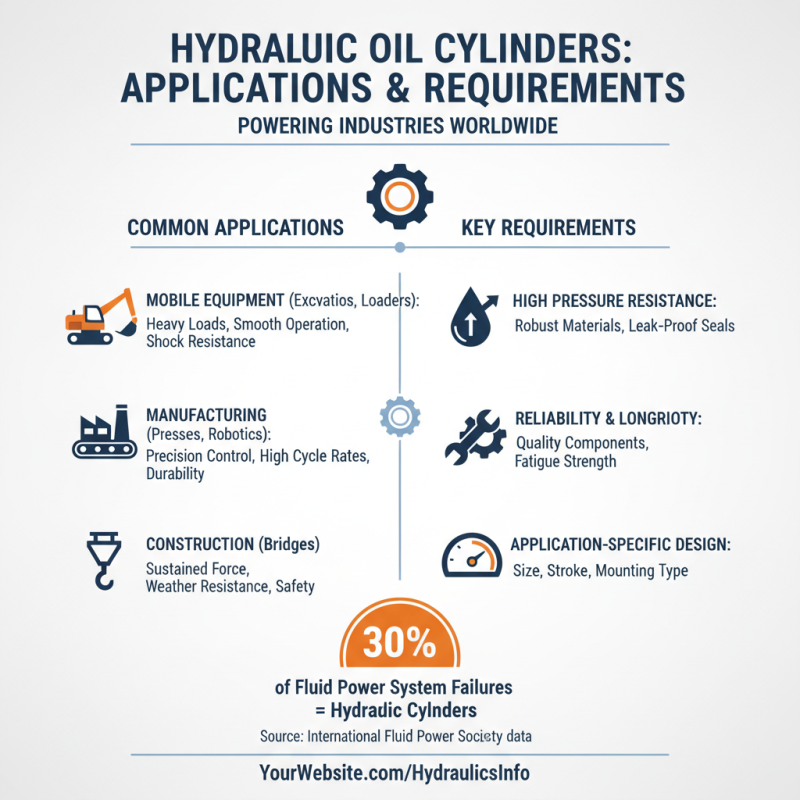
Common Applications for Hydraulic Oil Cylinders and Their Requirements
Hydraulic oil cylinders play a critical role in various industries, from manufacturing to construction. They operate under high pressure and require specific characteristics based on their application. For example, in mobile equipment, such as excavators, a cylinder needs to withstand heavy loads while ensuring smooth operation. According to data from the International Fluid Power Society, hydraulic cylinders account for nearly 30% of fluid power system failures. Understanding these requirements can help in choosing the right cylinder.
In agriculture, hydraulic cylinders are essential for equipment like tractors and harvesters. These cylinders must operate efficiently in harsh environments, requiring robust seals and materials. The need for reliability and longevity is paramount. A report from the Agricultural Hydraulic Systems Association highlights how improper cylinder selection can lead to a 15% decrease in operational efficiency. Additionally, safety standards must be considered, as these cylinders can pose risks if not properly maintained.
Manufacturing facilities often use hydraulic cylinders in presses and assembly lines. Here, precision is key. The cylinders must deliver consistent force to ensure product quality. A study by the Fluid Power Journal indicates that poor hydraulic system design can increase energy consumption by 20%. This illustrates the importance of integrating knowledgeable design decisions when selecting hydraulic components. Good practices in monitoring cylinder performance over time contribute to system reliability.