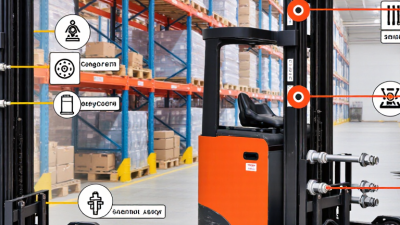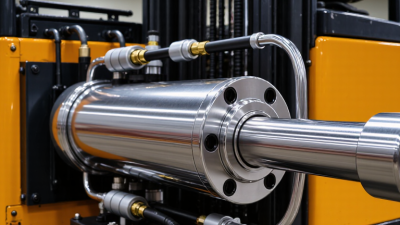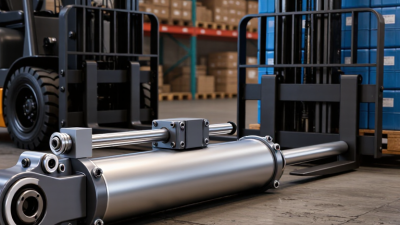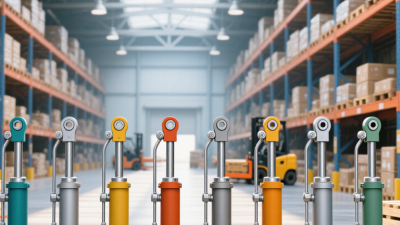
The right Hydraulic Cylinder For Forklift does more than lift a rated load. It must fit the mast, carriage, and operating cycle without compromising stability. A cylinder that looks suitable on paper can still bind when the mast reaches full extension.
Start with the forklift model, cylinder function, rated capacity, operating pressure, and mounting dimensions. Measure pin centers, closed length, stroke, rod diameter, and port locations. Check the manufacturer’s service data before ordering. Those details matter. A slightly incorrect stroke can affect mast timing or leave insufficient clearance. Inspect the old cylinder for scoring, leaks, bent rods, and worn bushings. Do not assume its specifications are correct; earlier repairs may have introduced mismatched parts.
Bore size and rod strength must suit the load and pressure. Seals and materials should also match the working environment. Dusty yards, cold storage, and frequent shifts place different demands on components. A useful selection principle is: “Match the cylinder to the load, geometry, pressure, and duty cycle—not bore size alone.” I can’t responsibly attribute that sentence to a named expert without a verifiable source. Confirm the final choice against manufacturer documentation or with a qualified hydraulic specialist. This guide covers the measurements, performance factors, and warning signs that help narrow the options. It also notes a common limitation: replacing one cylinder may not solve uneven lifting if another part of the hydraulic system is at fault. A careful check saves downtime.
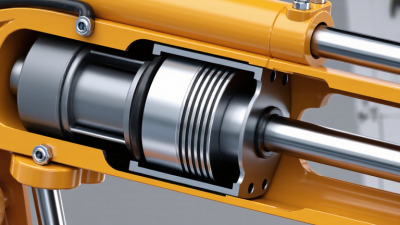
A hydraulic cylinder turns pump pressure into controlled movement at the forklift mast. Lift cylinders raise the carriage; tilt cylinders angle the mast to steady a pallet or place it on a rack. The difference is easy to overlook. Yet a cylinder that moves smoothly without a load may respond differently with a heavy pallet and extended mast. OSHA’s Powered Industrial Trucks eTool cites estimates of 85 forklift-related deaths and 34,900 serious injuries annually in the United States. These figures cover varied incident causes, not cylinder failures alone, but they underline why predictable lifting and lowering matter.
Choosing a cylinder starts with its job: required stroke, available mounting space, working pressure, and the load’s weight and distance from the mast. A longer stroke is not automatically better; it can create clearance or stability issues. Check the forklift’s service documentation and have a qualified technician confirm pressure and connection requirements. A mismatched cylinder may lift unevenly, leak, or place extra strain on the mast and hydraulic system. Watch for slow drift, jerky movement, or fresh oil around seals. These clues do not prove the cylinder is faulty. A worn seal, damaged hose, or valve problem can look similar, so diagnosis should not stop at the cylinder.
The lift cylinder converts hydraulic pressure into force to raise the forklift’s mast and load. This chart compares theoretical extension force at an example pressure of 16 MPa (160 bar). Force is calculated from pressure × piston area; actual capacity depends on the forklift’s design, cylinder arrangement, pressure losses, and load geometry. Use the manufacturer’s specifications when selecting a cylinder.
Before choosing a hydraulic cylinder, identify what the forklift needs it to do. The lift cylinder raises the carriage; tilt cylinders angle the mast forward or back. Side-shift cylinders move the forks laterally, while steering cylinders help turn the wheels. These jobs are not interchangeable. Start at the machine. Watch the attachment move through its full range, and note which cylinder drives that motion.
Function can also indicate the cylinder design. Many lift cylinders are single-acting: hydraulic pressure raises the load, and gravity lowers it. Tilt and side-shift circuits commonly use double-acting cylinders, which apply pressure in both directions. However, layouts vary by forklift and attachment. Do not guess from a cylinder’s position alone. A small cylinder near the mast may serve an attachment rather than the main lift.
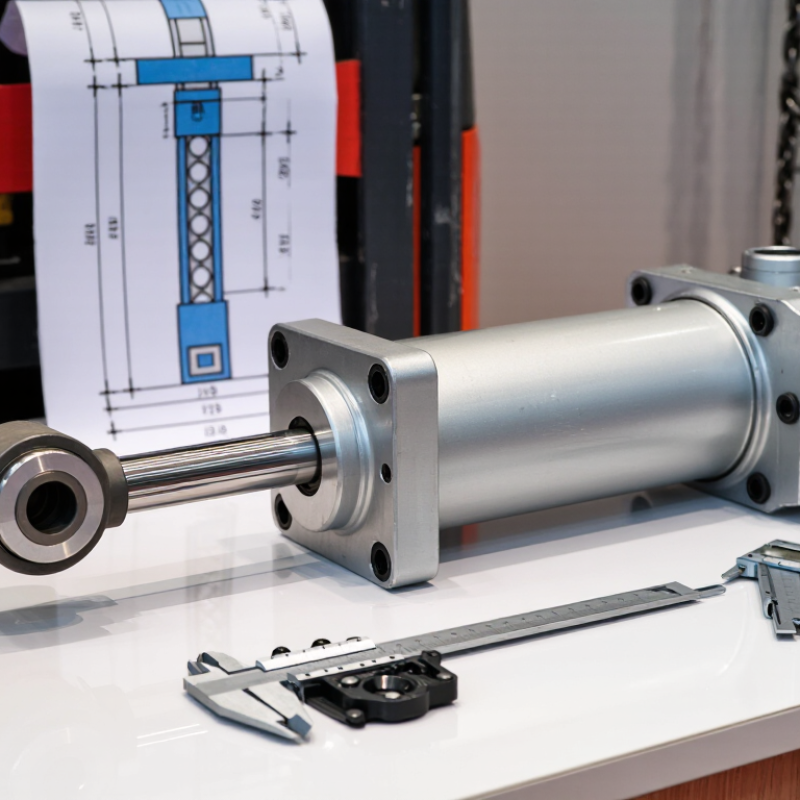
Record the mounting style, pin diameters, closed and extended lengths, stroke, bore, rod diameter, and port location. Compare these details with the forklift’s service information and operating pressure; a near-match can still bind or reduce usable travel. It is easy to focus on lifting capacity and miss the cylinder’s actual task. That is a poor shortcut. If identification is uncertain, ask a qualified technician to trace the hydraulic lines and verify the circuit before ordering. A photo helps, but it cannot replace measurements.
| Forklift Function | Common Cylinder Type | Typical Motion | Key Selection Checks |
|---|---|---|---|
| Mast lifting | Usually a single-acting lift cylinder; some mast designs use multiple cylinders or staged arrangements. | Hydraulic pressure raises the mast or carriage; gravity and the mast design generally provide lowering. | Confirm the required lift height, load capacity, closed height, stroke, mounting dimensions, and whether the mast uses a standard-lift or free-lift arrangement. |
| Free lift | Often a single-acting free-lift cylinder integrated into a three-stage or other multi-stage mast. | Raises the forks or carriage before the mast sections extend significantly. | Check the mast configuration, free-lift height, available overhead clearance, cylinder stage sequence, and compatibility with the existing mast. |
| Mast tilting | Typically a double-acting tilt cylinder, commonly installed as a pair. | Pushes and pulls to tilt the mast forward and backward. | Verify bore, rod diameter, stroke, pin-to-pin length, pin and bushing sizes, port position, and the required tilt range. |
| Side shifting | Usually a double-acting cylinder built into or attached to the side-shift carriage. | Moves the fork carriage laterally in both directions. | Match the attachment design, mounting points, stroke, retracted length, hydraulic port arrangement, and available lateral travel. |
| Fork positioning | Typically one or more double-acting cylinders in a fork-positioning attachment. | Moves the forks inward or outward, often together. | Confirm the attachment model, cylinder quantity, stroke, mounting geometry, operating pressure, and whether the forks must move symmetrically. |
| Reach or pantograph extension | Commonly a double-acting reach cylinder, with configuration depending on the truck design. | Extends and retracts the mast or load-handling mechanism. | Check the reach mechanism, stroke, retracted and extended lengths, mounting geometry, hose routing, and required extension force. |
| Steering | Often a double-acting steering cylinder; some forklifts use different steering arrangements. | Moves the steering linkage to turn the steer wheels. | Identify the steering-system layout and verify stroke, end fittings, mounting points, port position, and compatibility with the steering valve. |
Selection note: Cylinder configuration and dimensions vary by forklift, mast, and attachment. Before ordering, compare the existing cylinder or equipment drawings and verify operating pressure, bore, rod diameter, stroke, retracted length, mounting details, seals, and hydraulic connections.
Determine the real load, not just the forklift’s rated capacity. Note the load center, attachment weight, and any offset that changes mast leverage.
Cylinder push force is pressure multiplied by piston area, but friction and linkage geometry reduce usable force. Measure the operating pressure at the cylinder, including relief-valve settings and pressure spikes. ISO 4413:2010 requires hydraulic components to be selected for their operating conditions and pressure limits.
Allowing for shock loads matters. A clean calculation can still miss a worn pin or flexing bracket.
Measure stroke across the full lift range, then check clearance at both ends; a few millimeters can cause binding. Record pin diameter, clevis width, and mounting angle, and inspect the frame for cracks or distorted holes.
OSHA’s Powered Industrial Trucks guidance cites an estimated 85 forklift-related fatalities and 34,900 serious injuries each year in the United States. Those figures cover many hazards, not cylinder failures, but they underline why load-handling changes need careful checks.
I’ve seen mounting dimensions copied from an old drawing without verifying the actual machine. That shortcut is easy to regret.
Confirm cylinder pressure, stroke, and mount geometry against the forklift’s service documentation before ordering.
Check Compatibility, Materials, Seals, and Operating Conditions
Start with the forklift’s rated load and hydraulic specifications. Check the cylinder’s bore, stroke, mounting style, and operating pressure against the machine’s service information. Measure the available space with the mast both lowered and raised. A cylinder that fits when retracted may bind at full extension. Small gaps matter. Also consider the linkage geometry: side loading can wear a rod and its guides even when the lift capacity seems adequate. A clean-looking cylinder can still be the wrong match.
Choose materials suited to the working environment. Dust, moisture, and washdown can affect exposed surfaces, while repeated impacts may damage a rod’s finish. Check that seals are compatible with the hydraulic fluid and expected temperature range. Heat can harden seals; grit can score the rod and cause leaks. Inspect the old cylinder for wear, but do not assume its dimensions prove it was the correct part. That is easy to overlook.
How to Choose a Hydraulic Cylinder for a Forklift?
Verify Safety Standards, Maintenance Needs, and Supplier Support
A replacement cylinder must match the forklift’s rated capacity, operating pressure, stroke, and mounting dimensions. Check the equipment manual and applicable truck requirements, such as ISO 3691-1 or ANSI/ITSDF B56.1. These standards address industrial truck safety; they do not make every cylinder interchangeable. A mismatch in pin spacing or stroke can strain the mast and create uneven movement. Measure the old cylinder carefully.
Safety deserves more than a quick visual check. The U.S. Occupational Safety and Health Administration’s Powered Industrial Trucks guidance reports about 85 fatal accidents and 34,900 serious injuries involving forklifts each year. These figures cover forklift incidents broadly, not cylinder failures, but they show why lifting components need proper inspection. Ask for pressure-test records and clear specifications. No paperwork? Pause.
Maintenance needs matter too. Look for accessible seals, available replacement parts, and guidance on fluid cleanliness and inspection intervals. Check the rod for scoring and the hose connections for seepage; a small leak can become a shutdown. Supplier support is practical, not decorative. Confirm technical response times, warranty terms, and help identifying compatible seals. I would double-check those details before ordering; it is easy to assume a familiar-looking cylinder will fit.