Top 10 Hydraulic Oil Cylinder Options for Global Buyers?
When considering hydraulic systems, the Hydraulic Oil Cylinder is critical. This component plays a vital role in lifting and moving heavy loads efficiently. Choosing the right cylinder can greatly impact the performance of machinery. In the global market, buyers face numerous options. Each option has unique specifications and advantages.
Numerous factors come into play when selecting a Hydraulic Oil Cylinder. These include pressure ratings, dimensions, and compatibility with existing systems. Understanding these details can lead to better, more informed choices. Mistakes can be costly in industrial settings. An inappropriate selection may lead to system failures or inefficiencies.
Moreover, the reliability of the supplier affects the overall quality. The market is filled with various manufacturers, and not all offer genuine products. Researching brands can prevent potential issues. The right cylinder not only improves efficiency but also enhances safety in operations. Navigating this landscape requires careful consideration and a thorough understanding of what each cylinder offers.
Overview of Hydraulic Oil Cylinders and Their Applications
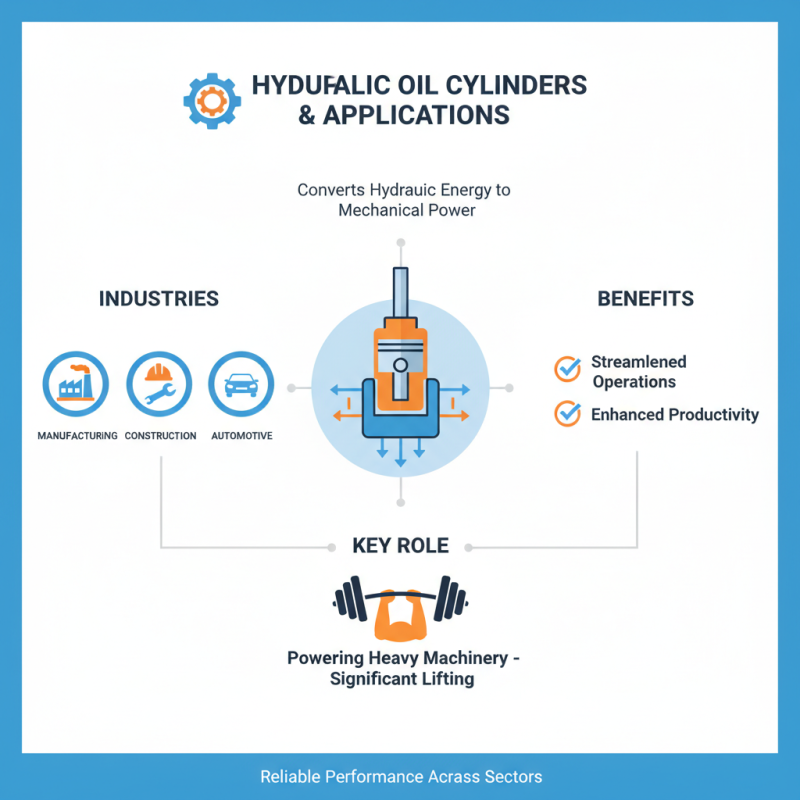
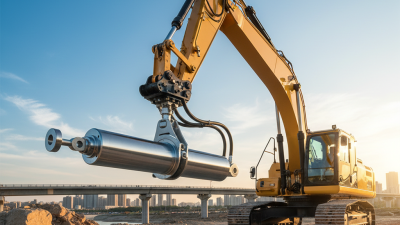
Hydraulic oil cylinders play a vital role in numerous applications across various industries. They function by converting hydraulic energy into mechanical power. This mechanism has made them essential in manufacturing, construction, and automotive sectors. For instance, in construction, hydraulic cylinders power heavy machinery, enabling significant lifting capabilities. Their reliable performance helps streamline operations and enhance productivity.
Applications extend to agricultural machinery as well. Equipment like tractors and harvesters depend on hydraulic cylinders to perform various tasks efficiently. These cylinders provide the force needed for lifting heavy loads or applying pressure. The versatility of hydraulic oil cylinders allows for customization based on specific tasks. This adaptability can sometimes lead to challenges, especially if the wrong size or type is selected. It is crucial to match the specifications to the intended application.
While effectively supporting operations, hydraulic cylinders also require regular maintenance. Neglect can lead to wear and tear, impacting efficiency and safety. Users must be aware of signs of malfunction. Oil leaks or unusual noises may signal the need for inspection. With proper care, hydraulic oil cylinders can ensure smooth and safe operation over time.
Factors to Consider When Choosing Hydraulic Oil Cylinders
When choosing hydraulic oil cylinders, several crucial factors come into play. First, understanding the application is vital. Applications can vary widely, from construction machinery to industrial automation. A study by the International Fluid Power Society indicates that the wrong cylinder selection can reduce system efficiency by up to 30%. Knowing the working pressure and stroke length is essential for optimal performance.
Material selection is another important consideration. Steel and aluminum are common, but corrosion resistance may be necessary for certain environments. In fact, over 40% of hydraulic cylinder failures are attributed to material degradation, according to a report by the Hydraulic Institute. It’s critical to evaluate where the cylinder will operate and choose materials that withstand those conditions.
Additionally, the cylinder's size and mounting style matter. Proper sizing ensures compatibility with existing machinery. It also affects hydraulic flow and power output. Many users overlook this aspect, leading to inefficient operations. Choosing the wrong mounting style can introduce mechanical stress points, causing premature failure. Thus, assessing these factors helps avoid costly mistakes and enhances overall system reliability.
Top Brands Manufacturing Hydraulic Oil Cylinders Globally
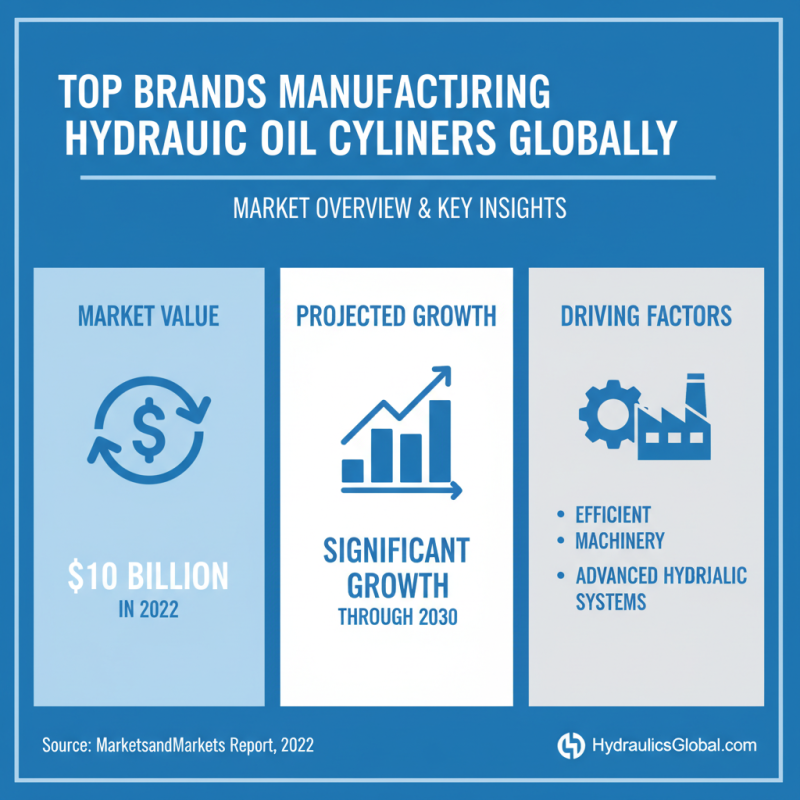
When considering hydraulic oil cylinders, it's essential to recognize key brands in the global market. According to a recent report from MarketsandMarkets, the hydraulic cylinder market was valued at approximately $10 billion in 2022 and is expected to grow significantly through 2030. The growth indicates a rising demand for efficient machinery and advanced hydraulic systems.
High-quality brands often emphasize durability and performance. They manufacture cylinders designed for diverse applications. Industrial sectors such as construction, manufacturing, and agriculture rely heavily on these components. The strength and reliability of hydraulic oil cylinders are crucial. Many users overlook maintenance, which can lead to issues over time. Regular checks, lubrication, and timely replacement can extend the lifespan of hydraulic systems.
Tips: Always consider the specifications of the application before selecting a cylinder. Ensure the chosen model meets requirements for pressure, load capacity, and size. Additionally, don’t solely rely on market reputation; gather feedback from users and review test results. This step can prevent costly mistakes. Understanding the strengths and weaknesses of various options will result in better decisions for your machinery needs.
Comparison of Ten Popular Hydraulic Oil Cylinder Models
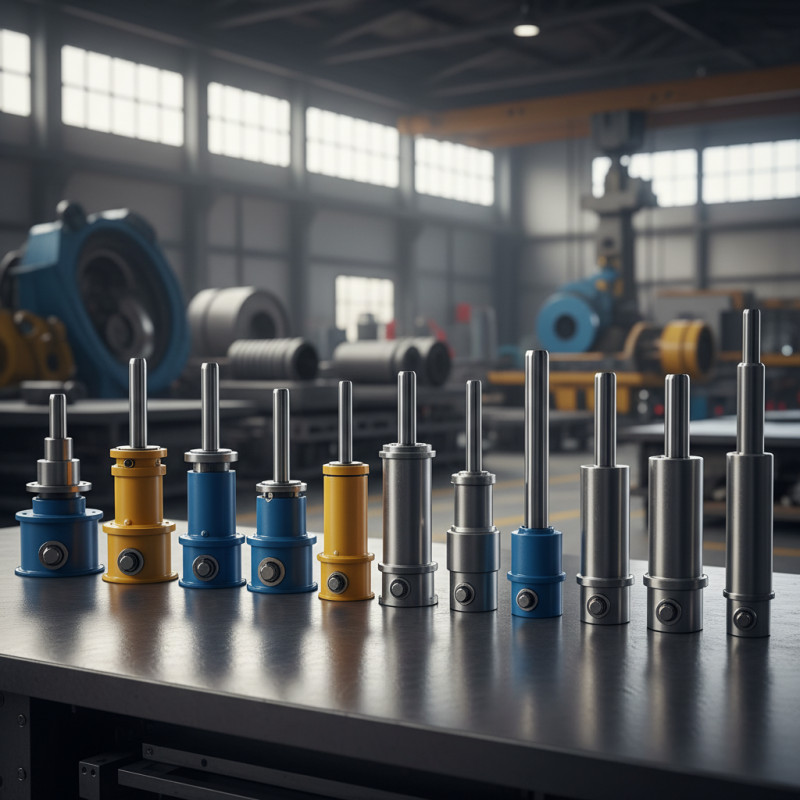
Hydraulic oil cylinders are crucial for various industrial applications. Buyers often seek the best options that meet their operational needs. In this comparison, we explore ten popular hydraulic oil cylinder models. Each model has distinct features and specifications. Factors like load capacity, stroke length, and operating pressure play a significant role in choosing the right cylinder.
Buyers should consider the materials used in these cylinders. Durability and resistance to corrosion are vital. Some models perform well in extreme temperatures, while others may not. It's essential to evaluate these aspects. A model's sealing quality can directly impact its efficiency and lifespan, making it worth examining closely.
Reflecting on user feedback can guide better decisions. Many users have reported challenges with certain models. Occasionally, a cylinder may not fit well in specific setups. Understanding these limitations can prevent costly mistakes. Buyers should weigh the pros and cons carefully. A detailed comparison can help identify the best option for specific needs.
Top 10 Hydraulic Oil Cylinder Options for Global Buyers
Maintenance and Care Tips for Hydraulic Oil Cylinders
Hydraulic oil cylinders are vital in many applications. They provide force and control in machinery. Proper maintenance is essential for their longevity and efficiency. According to industry reports, nearly 70% of hydraulic failures stem from inadequate maintenance. Regular checks can help avoid costly breakdowns.
One critical aspect is fluid monitoring. Hydraulic oil should be regularly checked for contamination and viscosity. The fluid's quality significantly affects performance. A report from the Fluid Power Institute indicates that using contaminated oil can reduce system life by 30%. This is a stark reminder of how simple measures can improve reliability.
Another consideration is seal inspection. Seals wear out over time and can lead to leaks. Routine inspections can identify wear patterns early. In some cases, replacing seals can prevent more severe damage. Unexpected leaks can compromise safety and productivity. Understanding these maintenance needs shapes successful operations.
Top 10 Hydraulic Oil Cylinder Options for Global Buyers
| Option |
Type |
Bore Size (mm) |
Stroke Length (mm) |
Max Pressure (bar) |
Weight (kg) |
Maintenance Tips |
| Model A |
Double Acting |
50 |
200 |
200 |
15 |
Regularly check seals for wear. |
| Model B |
Single Acting |
70 |
150 |
180 |
12 |
Ensure proper lubrication of components. |
| Model C |
Telescopic |
30 |
300 |
150 |
10 |
Check for leaks regularly. |
| Model D |
Double Acting |
100 |
250 |
220 |
20 |
Inspect hydraulic fluid frequently. |
| Model E |
Single Acting |
60 |
180 |
200 |
11 |
Clean regularly to avoid blockages. |
| Model F |
Double Acting |
80 |
220 |
230 |
18 |
Replace worn seals as needed. |
| Model G |
Telescopic |
90 |
260 |
250 |
22 |
Monitor hydraulic fluid levels. |
| Model H |
Single Acting |
40 |
120 |
190 |
9 |
Avoid exposure to extreme temperatures. |
| Model I |
Double Acting |
120 |
280 |
240 |
25 |
Conduct regular performance checks. |
| Model J |
Telescopic |
110 |
300 |
260 |
27 |
Check hydraulic connections frequently. |