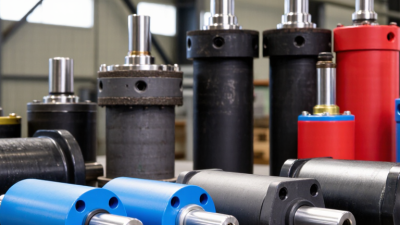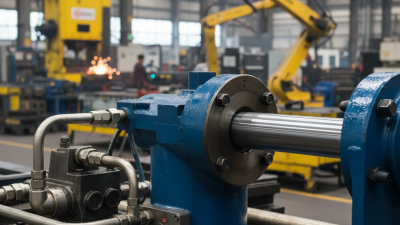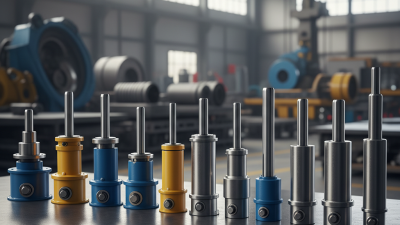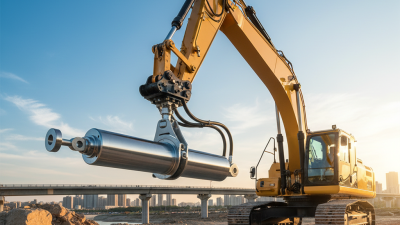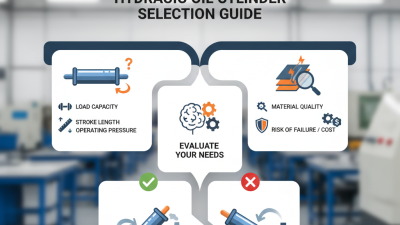
Choosing the right Hydraulic Oil Cylinder manufacturer in China takes more than comparing prices or polished product photos. Buyers need to match the cylinder to its working pressure, stroke, mounting style, and operating environment. A unit used on a farm loader may face mud, vibration, and uneven workloads. A cylinder on a factory press may need steady, repeatable movement throughout long shifts. Details matter.
This guide introduces factors that help buyers assess manufacturers, from material selection and machining capacity to testing practices and after-sales support. Ask how suppliers verify dimensions, inspect welds, and test for leakage before shipment. Request drawings and clear specifications, especially when replacing an existing cylinder or developing a custom design. A low quote can look attractive. It may not include the same seals, surface finish, documentation, or packaging as another offer.
Company profiles and product ranges can narrow the search, but they cannot replace direct technical checks. Confirm who will answer engineering questions, what inspection records are available, and how the supplier handles a reported defect. Even careful comparisons have limits; factory descriptions may leave out details that matter on your machine. That is worth remembering. The aim is not to find the biggest catalog, but a manufacturer whose capabilities fit your application and whose claims can be checked.
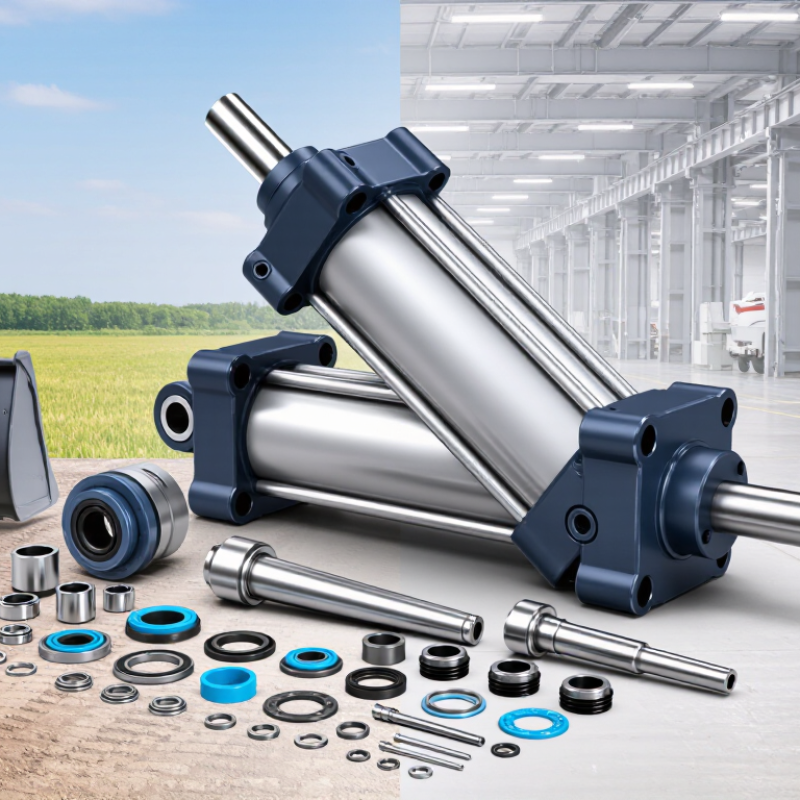
A hydraulic cylinder turns fluid pressure into straight-line force. Its bore is the inside diameter of the barrel, while the stroke is the distance the rod travels. A larger bore gives the piston more area, so it can produce more force at the same pressure. The basic relationship is force equals pressure multiplied by piston area. Keep units consistent when estimating.
Pressure alone does not tell the whole story. On the rod side, the rod takes up part of the piston area, reducing the effective force. Seal friction, fluid temperature, and flow restrictions can also affect real performance. Small details matter. A cylinder may lift a test load smoothly but behave differently after hours of cycling.
When comparing hydraulic oil cylinders, check the rated working pressure, bore, stroke, rod diameter, mounting style, and port size. Confirm that the load, speed, and duty cycle suit the application, rather than choosing by force figures alone. Measure twice. In practice, sizing can still involve compromise: a longer stroke may increase the risk of rod deflection, while a larger bore may need more oil flow. Review the equipment’s operating conditions and leave an appropriate design margin. A clear specification makes manufacturer comparisons more useful and helps prevent mismatched components.
How to read this chart: Theoretical extension force is calculated as pressure × piston area (F = P × π × bore² ÷ 4). At a constant 16 MPa, a larger bore produces more force. Stroke determines the cylinder’s travel distance, not its theoretical force. Actual force may be lower due to friction and operating losses; these figures do not represent any specific manufacturer’s products.
When comparing hydraulic cylinder manufacturers in China, start with the pressure class and mounting standard. ISO 6022 cylinders are rated for 25 MPa, while ISO 6020-2 cylinders are rated for 16 MPa. That difference affects more than the number on a datasheet. A higher-pressure system may need the ISO 6022 series, but its fittings, valves, and hoses must also suit the working pressure.
For a press or heavy-duty machine, check peak pressure, not just normal operating pressure. A brief pressure spike can matter. ISO 6020-2 may fit equipment designed around a 16 MPa system, often avoiding an unnecessary jump to a higher-rated cylinder. Compare bore, rod diameter, stroke, mounting dimensions, and cushioning options against the machine drawing. Standards help with interchangeability; they do not prove consistent manufacturing quality.
Ask suppliers for dimensional inspection records, pressure-test procedures, seal material details, and clear tolerance data. If possible, review a sample under realistic load and temperature conditions. It sounds tidy on paper, but matching a cylinder is rarely that simple. A small mismatch in pin centers or port position can delay installation. Check the full operating cycle before choosing a series.
A useful comparison starts with product range, not a broad claim of capability. Check whether a supplier makes single-acting and double-acting cylinders, telescopic models, and custom mounting options. Then compare bore sizes, stroke lengths, pressure ratings, and seal choices against your machine’s actual requirements. A catalog can look complete, but confirm which specifications are available for regular production.
Capacity matters when orders grow or delivery dates are tight. Ask about monthly output, machining and testing equipment, inspection records, and typical lead times. A factory’s stated capacity is less useful without knowing how it handles custom orders and peak demand. Industry focus matters, too. Suppliers familiar with agricultural machinery may understand long strokes and field exposure, while those serving construction equipment may prioritize compact designs and repeated heavy loads. Verify fit with drawings, sample test reports, and clear communication about tolerances.
Tips: Request a sample inspection report and a written production schedule. Compare the same cylinder specifications across suppliers. Ask how they test for leakage under pressure. Small details matter. I would still treat advertised capacity cautiously; actual output can vary with order complexity and component availability.
When comparing hydraulic oil cylinder manufacturers in China, ask for ISO 10100 acceptance-test records for the exact cylinder configuration. Bore, stroke, seals, and rated pressure should match your order. The standard provides a framework for checks such as dimensions, leakage, and pressure performance; agree on acceptance limits before testing. Ask to see recorded pressure, test duration, and results—not only a certificate. Details matter.
Oil cleanliness deserves equal attention. ISO 4406 expresses solid-particle contamination as a three-number code, based on particle counts at 4, 6, and 14 μm(c). Request the target code and the actual sampling result, plus the sampling point and test date. A sample from the cylinder inlet can tell a different story than one taken after fine filtration. Keep the oil sample procedure consistent. Small differences matter.
A clean report is useful, but it cannot predict every operating condition. Temperature swings, dirty filling equipment, and poor breathers can raise contamination after delivery. Ask how the cylinder ports are capped during storage and shipping. One weak point remains: a sample taken only after filtration may make the hydraulic circuit look cleaner than it is. Check the evidence against your own maintenance conditions.
| Evaluation Area | What to Verify | Relevant Standard or Evidence | How to Assess the Result |
|---|---|---|---|
| Acceptance testing | Request a documented acceptance-test procedure and reports for the cylinder model or production lot being considered. | ISO 10100, Hydraulic fluid power — Cylinders — Acceptance tests. Confirm the applicable edition and agreed test scope. | Check that the report identifies the cylinder, test conditions, measured results, acceptance criteria, date, and responsible inspector. |
| Pressure and leakage checks | Verify that pressure testing and leakage checks follow the design specification and the purchase agreement. | Acceptance-test documentation under the agreed ISO 10100 procedure and project requirements. | There is no single pressure-test value or leakage limit suitable for every cylinder. Compare recorded results with the specified design and acceptance criteria. |
| Dimensions and stroke | Check mounting dimensions, bore, rod diameter, stroke, ports, and other drawing-defined features. | Approved engineering drawing, purchase specification, and applicable acceptance-test records. | Look for recorded measurements, stated tolerances, calibrated measuring equipment, and clear disposition of any nonconformities. |
| Functional operation | Confirm smooth extension and retraction across the required operating range, with no abnormal binding or erratic motion. | Test conditions and acceptance criteria agreed for the application; supporting acceptance-test records. | Check that the report states the test fluid, operating conditions, number of cycles if specified, and observed results. |
| Hydraulic-fluid cleanliness | Ask for a particle-contamination target for the supplied or flushed system fluid and a report showing the measured cleanliness code. | ISO 4406, Hydraulic fluid power — Fluids — Method for coding the level of contamination by solid particles. | ISO 4406 reports particle-count codes at cumulative size thresholds of ≥4, ≥6, and ≥14 μm(c), in that order. The required target should be set for the application; the standard does not impose one universal target. |
| Understanding cleanliness codes | Check that the supplier reports all three code numbers and identifies the sampling point and test method. | ISO 4406 code examples: 18/16/13 corresponds to ranges of 1,300–2,500, 320–640, and 40–80 particles per mL at the respective thresholds. | These figures illustrate code ranges, not a recommended acceptance limit. Compare the reported code with the cleanliness requirement specified for the application. |
| Sampling and test traceability | Review how fluid samples are collected, labeled, handled, and linked to the cylinder or production lot. | Laboratory or in-house test records identifying the sampling procedure and particle-counting method. | Prefer reports that state sample location, date, method, equipment or laboratory, and any steps taken to prevent sample contamination. |
| Materials and component records | Request traceability for specified materials, seals, and critical purchased components where required by the contract. | Material certificates, inspection records, and supplier documentation tied to the relevant order or production lot. | Confirm that documents match the drawing and purchase specification; do not treat certificates as a substitute for finished-cylinder testing. |
| Quality-system evidence | Check the scope, validity, and issuing body of any quality-management-system certificate presented. | Current certificate and supporting audit or process-control records, where available. | A quality-system certificate is not proof that a particular cylinder has passed its acceptance tests. Verify product-specific evidence separately. |
| Recommended supplier comparison | Compare suppliers using the same drawings, test scope, cleanliness target, documentation requirements, and quotation basis. | Side-by-side review of technical submissions, sample reports, inspection plans, and commercial terms. | Rank only against your own application requirements. Avoid comparing cleanliness codes or test results that were produced under different conditions or acceptance criteria. |
When comparing hydraulic oil cylinder manufacturers in China, ask how far customization extends beyond stroke and bore. A useful supplier should confirm mounting dimensions, rod coating, seal material, port position, and operating pressure against your duty cycle. Request dimensional drawings and pressure-test records before approving production. Small omissions matter. A port shifted by a few millimeters can complicate hose routing on a crowded machine. Check certification scope, too: a certificate should cover the actual factory or product process, not merely appear in a sales pack. ISO 9001 supports quality-management controls, but it does not prove that a cylinder will suit your application.
Lead time needs a written breakdown for engineering approval, material sourcing, machining, testing, and shipment. Ask which stages change when you request a custom seal or corrosion-resistant finish. Then compare lifecycle costs, not just quoted prices: include installation, seal replacement, downtime, and spare-part availability. The U.S. Department of Energy’s Operations & Maintenance Best Practices guide reports potential maintenance-cost savings of 25–30% from predictive maintenance compared with reactive approaches; this is a broad estimate, not a cylinder-specific promise. Specify inspection intervals and leakage criteria with the supplier. I would still question any offer that promises the shortest lead time and lowest price without explaining its test plan. A cheaper cylinder can be costly if service access is poor.