China Best Hydraulic Cylinder For Forklift Buyers Guide?
In today's fast-paced industrial landscape, selecting the right hydraulic cylinder for forklift applications is critical. These components play a key role in ensuring forklifts operate efficiently and safely. The right hydraulic cylinder for forklift use can enhance lifting capacity and improve overall performance. With numerous options available, understanding what makes a hydraulic cylinder reliable is crucial for buyers.
Consider the typical challenges encountered in selecting hydraulic cylinders. Not all cylinders meet stringent safety and performance standards. Some may wear out quickly or fail under stress, leading to costly downtimes. Thus, evaluating the quality and specifications of each option is essential. Look for cylinders constructed from durable materials that can withstand heavy loads. This insight comes from industry experts who stress the importance of robust design in hydraulic systems.
Buyers will benefit from focusing on trusted manufacturers with a history of reliability. Reviews and testimonials from other users can provide valuable insights. However, pay attention to discrepancies in feedback. This reflection can help buyers avoid pitfalls and make informed decisions. Investing time in choosing the correct hydraulic cylinder for forklifts can lead to improved operational efficiency and long-term cost savings, making it a worthwhile endeavor.
Understanding Hydraulic Cylinders: Essential Components for Forklifts
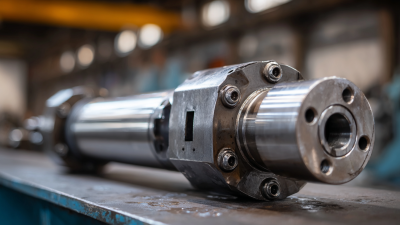
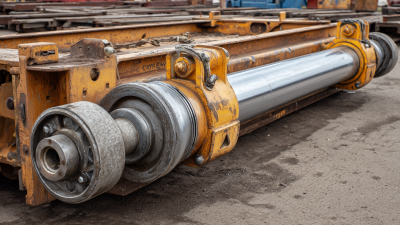
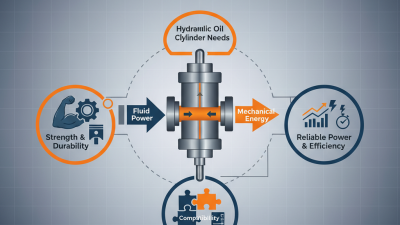
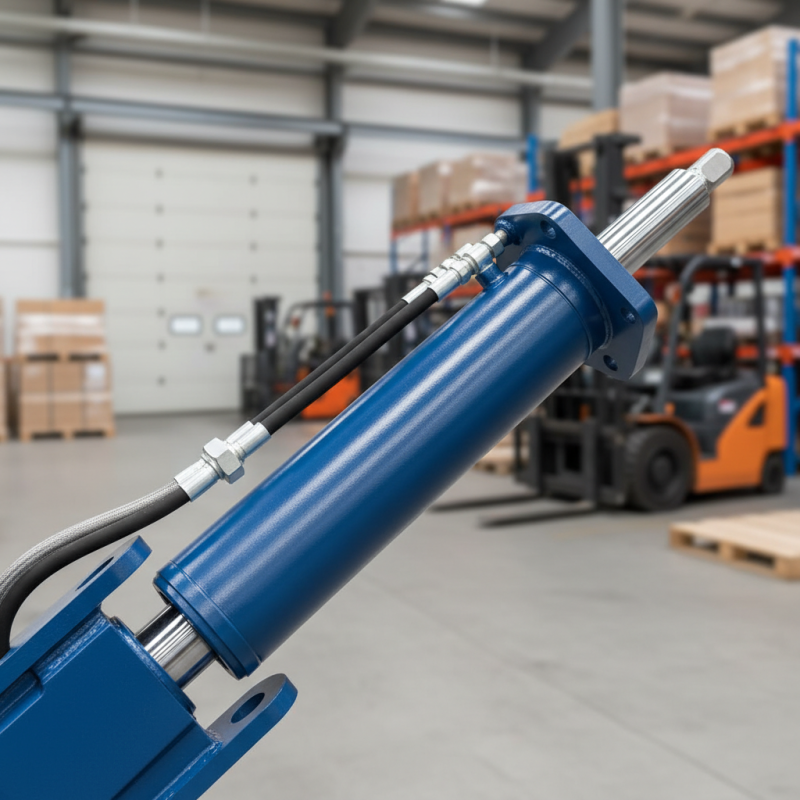
Hydraulic cylinders are essential for forklifts. They provide the lifting power needed for various tasks. Understanding their components is crucial for buyers. These cylinders convert hydraulic energy into mechanical force. They consist of several key parts, including the cylinder barrel, piston, and seals.
Maintenance is vital for hydraulic cylinders. Regularly check for leaks. Inspect the seals to prevent fluid loss. Even small leaks can lead to significant issues. If a cylinder does not operate smoothly, it might need a replacement.
When selecting a cylinder, consider its specifications. Pay attention to load capacity and stroke length. Not every cylinder suits every forklift. This mismatch can lead to inefficiencies. Sourcing quality cylinders from reputable suppliers can also enhance reliability. Always ask for performance data before making a decision.
Types of Hydraulic Cylinders: Choosing the Right One for Your Forklift
When selecting the right hydraulic cylinder for your forklift, it's essential to consider various types. Forklifts typically use single-acting and double-acting cylinders. Single-acting cylinders operate with hydraulic pressure in one direction, usually for lift functions. They are simpler and more cost-effective. However, they may lack versatility in certain applications.
On the other hand, double-acting cylinders allow for movement in both directions. They provide better control and efficiency. These cylinders are great for push and pull actions. The more complex design can be more expensive, but many find the additional benefits worth the investment.
Weight capacity is another critical factor. Every cylinder has a different load limit. Make sure to assess your operational needs. If your tasks require handling heavy loads, ensure that the cylinder can accommodate this. It's common for operators to overlook this, which can lead to mechanical failures. Understand the specifications deeply. A mismatch can cause unsafe operations.
Key Specifications to Consider When Buying Hydraulic Cylinders
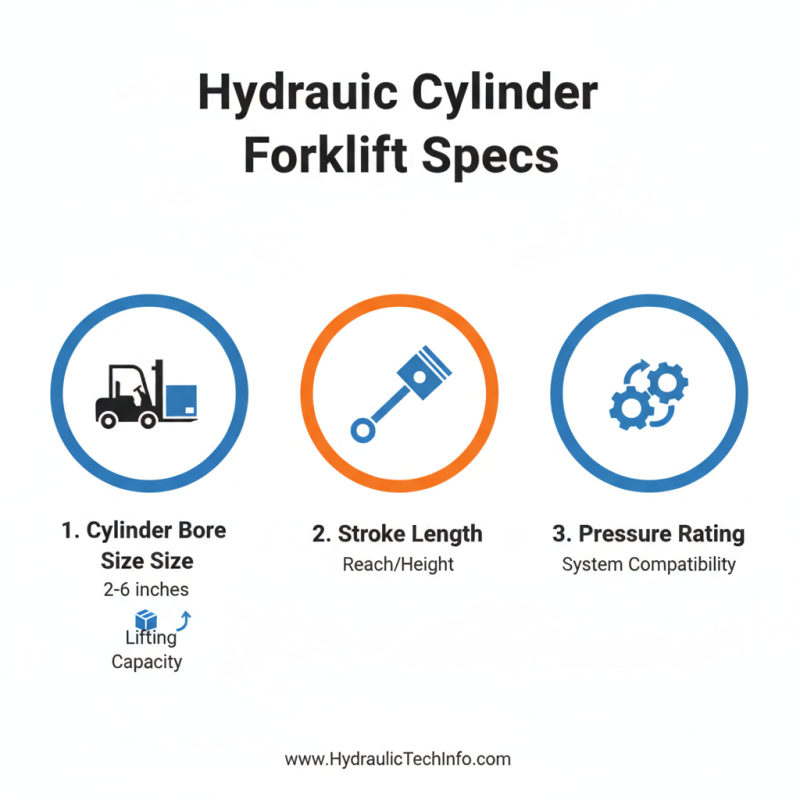
When choosing hydraulic cylinders for forklifts, several key specifications demand attention. Cylinder bore size is crucial; it directly affects lifting capacity. A larger bore enables greater lifting power but may increase weight. According to industry reports, a bore size ranging from 2 to 6 inches is common for standard forklift applications.
Stroke length is equally important. It determines how high or low the forks can move. Shorter strokes are typically more efficient, but longer strokes allow for better versatility in pallet handling. Users often overlook the importance of the mounting style, which influences installation and usability. Standard pin, clevis, or foot mounts can define how cylinders fit into a forklift's design.
Operating pressure ratings are critical for performance and safety. Most hydraulic systems work efficiently between 1,500 to 3,000 PSI. Exceeding these limits may lead to failures. Regular maintenance checks are necessary to ensure pressure levels remain within safe limits. Investing in quality hydraulic cylinders may reduce long-term operational costs. Operators should weigh these specifications and assess their requirements. Each application has unique needs, and the right choice can boost productivity.
Top Brands of Hydraulic Cylinders for Forklift Applications in China
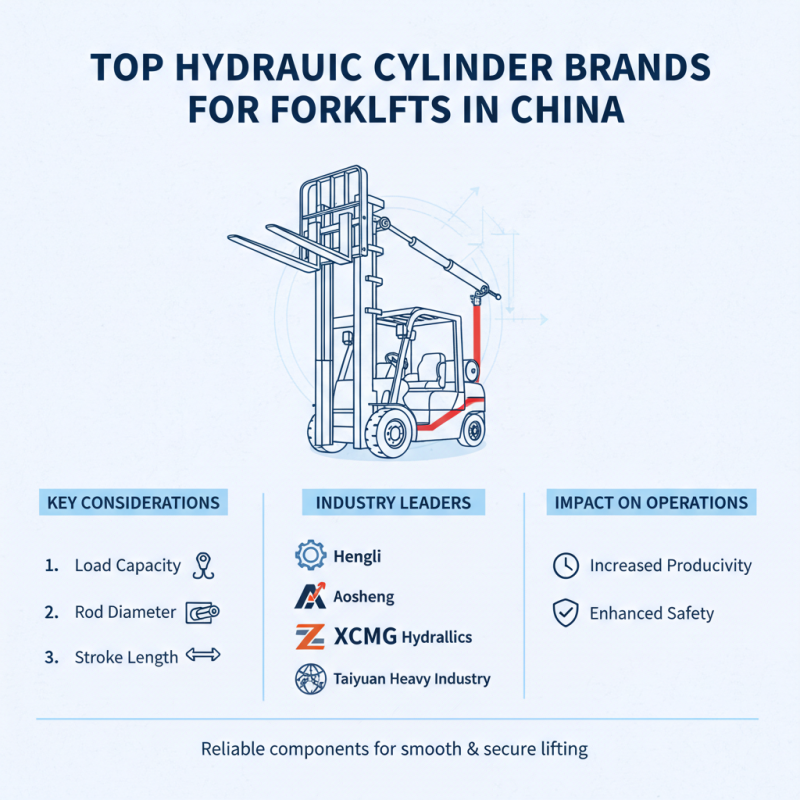
When selecting hydraulic cylinders for forklift applications in China, understanding the top brands can significantly impact productivity and safety. Reliable hydraulic cylinders are key components that enable smooth lifting and lowering operations. Various companies offer diverse products with varying specifications. Features to consider include load capacity, rod diameter, and stroke length.
Some manufacturers are known for their durable and efficient hydraulic cylinders. These brands prioritize high-quality materials for strength and longevity. Their products undergo rigorous testing to ensure reliability in demanding environments. Yet, even leading brands face challenges such as inconsistent supply chains. It’s essential to evaluate user reviews to get honest feedback.
In addition, many buyers overlook maintenance aspects. Regular inspection and servicing can prolong the life of hydraulic cylinders. Understanding the potential for wear and tear is crucial for forklift operations. Simple mistakes in installation or use can lead to significant problems. Therefore, investing time in research and learning from others can lead to smarter buying decisions.
Maintenance Tips for Extending the Life of Your Hydraulic Cylinder
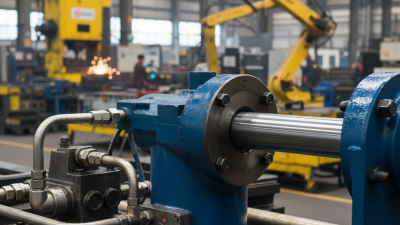
Hydraulic cylinders are vital for forklifts, aiding in lifting and maneuverability. Proper maintenance can significantly extend their lifespan. Regular inspection is crucial. Look for leaks, cracks, or signs of wear. Small issues can quickly escalate into major problems. Replace worn seals before they cause contamination. Regular cleaning of the cylinder surfaces helps maintain smooth operation.
Fluid levels should be checked frequently. Low hydraulic fluid can lead to overheating and failure. Use the recommended fluid type for optimal performance. Over time, fluid can degrade, losing its effectiveness. Changing the hydraulic fluid at scheduled intervals prevents damage and promotes reliability.
Pay attention to how the cylinder operates during use. Unusual noises or sluggish movements may indicate underlying issues. Maintaining a clean working environment also helps; dirt and debris can enter cylinders, affecting function. Remember, prevention is more effective than costly repairs. Regular maintenance not only promotes safety but also improves efficiency.