Top Hydraulic Cylinder for Excavator What to Consider?
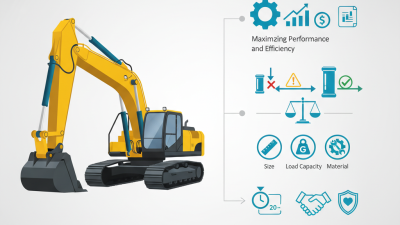
When selecting the best hydraulic cylinder for excavator applications, several critical factors come into play. The hydraulic cylinder is essential for performance and efficiency. According to industry reports, nearly 30% of excavation equipment failures are linked to subpar hydraulic components. This highlights the importance of choosing a reliable hydraulic cylinder.
The right hydraulic cylinder for excavators influences power and control during operations. Variations in load capacities and stroke lengths can make a significant difference. A well-suited cylinder can improve productivity by up to 20%. However, many operators overlook compatibility issues, which can lead to sub-optimal operation.
While there are many options available, reflecting on one's specific needs is vital. Not all hydraulic cylinders are created equal; brand reputation and product specifications matter. Choosing the wrong cylinder may result in frequent repairs or downtime. Therefore, weighing the pros and cons carefully is essential before purchasing.
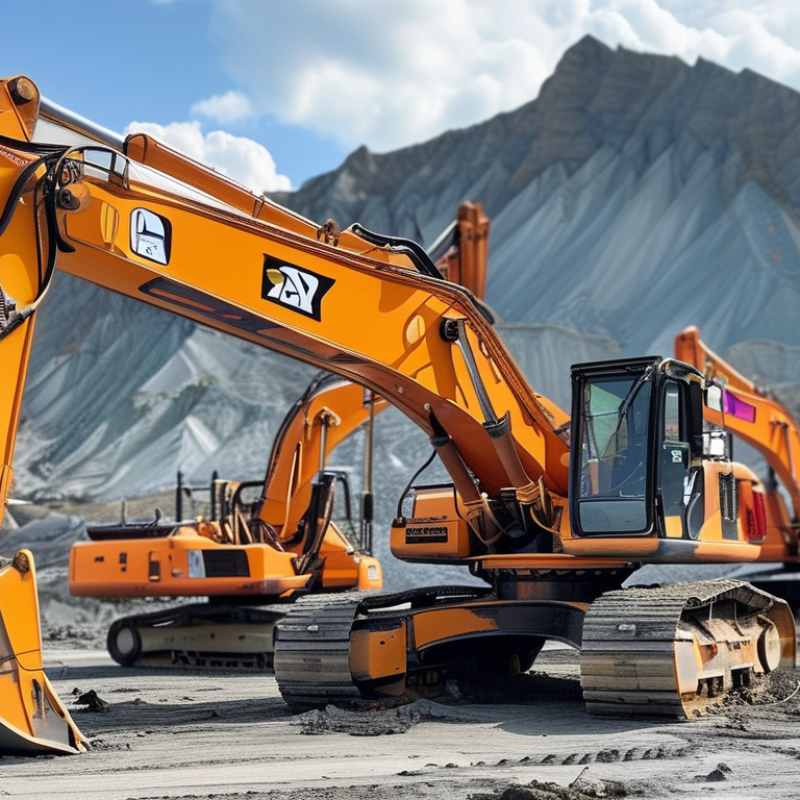
Key Features of Hydraulic Cylinders for Excavators
When choosing hydraulic cylinders for excavators, several key features should be considered. First, the cylinder's bore size directly affects lifting capacity. A larger bore allows for heavier loads. However, larger bores may also increase weight. It's crucial to strike a balance between capacity and maneuverability.
Another important feature is the stroke length. This defines how far the cylinder can extend, impacting the reach and depth of the excavator. A longer stroke can improve performance, but it may require more complex designs. Maintenance also comes into play. Simpler designs are easier to service and less prone to failures.
Material quality is essential for durability. High-grade steel can withstand harsh conditions and heavy use. However, weight and cost must be considered. Sometimes, manufacturers compromise on materials to reduce costs, which could affect reliability in the long run. Always evaluate the trade-offs to ensure a reliable and efficient hydraulic system.
Types of Hydraulic Cylinders Used in Excavators
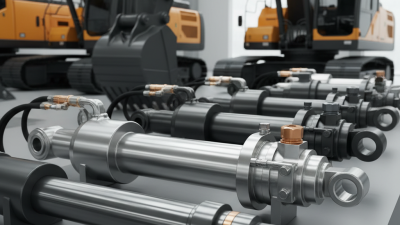
Hydraulic cylinders are essential components in excavators, playing a crucial role in their functionality. There are various types of hydraulic cylinders used in these machines. Among them, single-acting cylinders are notable for their simplicity. They use hydraulic pressure to extend the piston but rely on gravity or a spring for retraction. This type is often employed in applications requiring light loads and limited movement.
Double-acting cylinders, on the other hand, feature hydraulic pressure for both extension and retraction. This allows for greater control and efficiency, especially in heavy-duty tasks. According to a recent industry report, double-acting cylinders account for over 70% of the hydraulic cylinder market in construction equipment. Their versatility allows excavators to perform complex operations, such as digging and lifting, seamlessly.
Another variant, telescopic cylinders, consists of several nested cylinders that can extend to significant lengths. These are particularly useful in applications where reach is critical. While they provide high lift capabilities, their complexity can lead to maintenance challenges. Many operators may struggle with their upkeep due to wear on seals and joints. Understanding these nuances is vital for maximizing the performance and lifespan of hydraulic cylinders in excavators.
Factors Affecting Hydraulic Cylinder Performance
When choosing the right hydraulic cylinder for an excavator, several key factors play a crucial role in performance.
Proper sizing is essential. An oversized or undersized cylinder can lead to inefficiency.
Ensure the cylinder dimensions match your equipment's requirements. Consider the working pressure as well.
Higher pressures can improve performance but may lead to premature wear.
Seal quality impacts longevity significantly. Quality seals prevent leaks, ensuring optimal functionality.
Over time, cheaper seals may fail, causing costly downtime.
Fluid selection is also critical. Using the right hydraulic fluid can enhance performance and reduce wear on internal components.
Regular maintenance checks on the hydraulic system are necessary to identify potential issues early.
Environmental factors can affect hydraulic cylinder performance. Extreme temperatures can alter fluid properties.
Operating in harsh conditions may require specialized sealing materials. Not addressing these factors could result in performance drops.
Beyond these, ongoing training for operators on effective use is often overlooked.
Operators should regularly review procedures to maintain efficiency.
This attention to detail can prevent failure and enhance the overall system reliability.
Maintenance Tips for Hydraulic Cylinders in Excavators
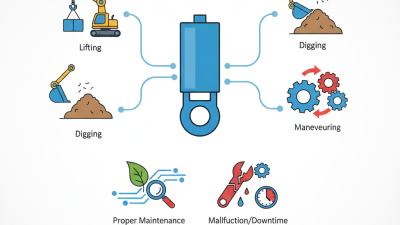
Maintaining hydraulic cylinders in excavators is vital for optimal performance. Regular inspections can prevent costly breakdowns. A study indicates that up to 30% of hydraulic failures arise from poor maintenance practices. Keeping hydraulic fluid clean is also crucial. Contaminants can damage seals and lead to cylinder failure.
Lubrication is essential for the longevity of hydraulic cylinders. The appropriate grease application reduces friction and wear. According to research, using the correct lubrication can extend a cylinder's lifespan by up to 50%. However, operators often overlook this simple task. Improper lubrication methods can lead to leakage or even total failure.
Regularly monitoring cylinder pressure can pinpoint potential issues. Sudden drops in pressure indicate leaks or blockages. Many operators may disregard this, leading to larger problems. Implementing a routine schedule for pressure checks can enhance reliability. Ensuring correct hydraulic fluid levels also prevents overheating. Inconsistent maintenance efforts can ultimately affect productivity and safety on site.
Top Hydraulic Cylinder for Excavator - Maintenance Tips for Hydraulic Cylinders in Excavators
| Feature |
Description |
Maintenance Tips |
| Cylinder Type |
Single-acting and double-acting cylinders |
Regularly inspect for leaks and ensure seals are intact. |
| Material |
High-strength steel and corrosion-resistant coatings |
Keep surfaces clean to prevent corrosion and wear. |
| Piston Rod |
Chrome-plated for durability |
Inspect rods for scratches and wear; replace if necessary. |
| Seals |
Rubber seals to prevent fluid leakage |
Check seals regularly and replace worn ones promptly. |
| Operating Pressure |
Typically ranges from 2000 to 5000 psi |
Monitor pressure levels and ensure they stay within recommended limits. |
| Temperature Range |
-20°C to 80°C |
Ensure hydraulic fluids are suitable for the operating temperature. |
Choosing the Right Hydraulic Cylinder for Your Excavator Needs
Choosing the right hydraulic cylinder for your excavator is crucial. The right choice enhances performance and
extends equipment life. According to industry reports, nearly 70% of hydraulic failures stem from
improper component selection. Understanding your specific needs dramatically improves the likelihood of success.
When selecting a hydraulic cylinder, factors like pressure ratings,
bore size, and stroke length are critical.
The American Society of Mechanical Engineers (ASME) suggests that a cylinder's specifications should align with the intended application.
For instance, heavy-duty excavation tasks require high-pressure capabilities. Failing to consider these factors could lead to
premature wear or even failure.
Tips: Assess your machine's requirements before purchasing. Evaluate the environment in which the excavator operates. If your machine
works in rugged terrains, consider cylinders that offer higher durability and resistance to wear. Always consult with an expert if in doubt about
specifications. Small choices can lead to significant consequences when it comes to hydraulic systems.