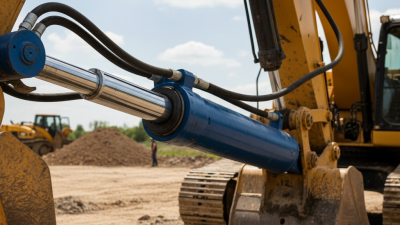
Top 10 Hydraulic Cylinder For Forklift Buying Guide?
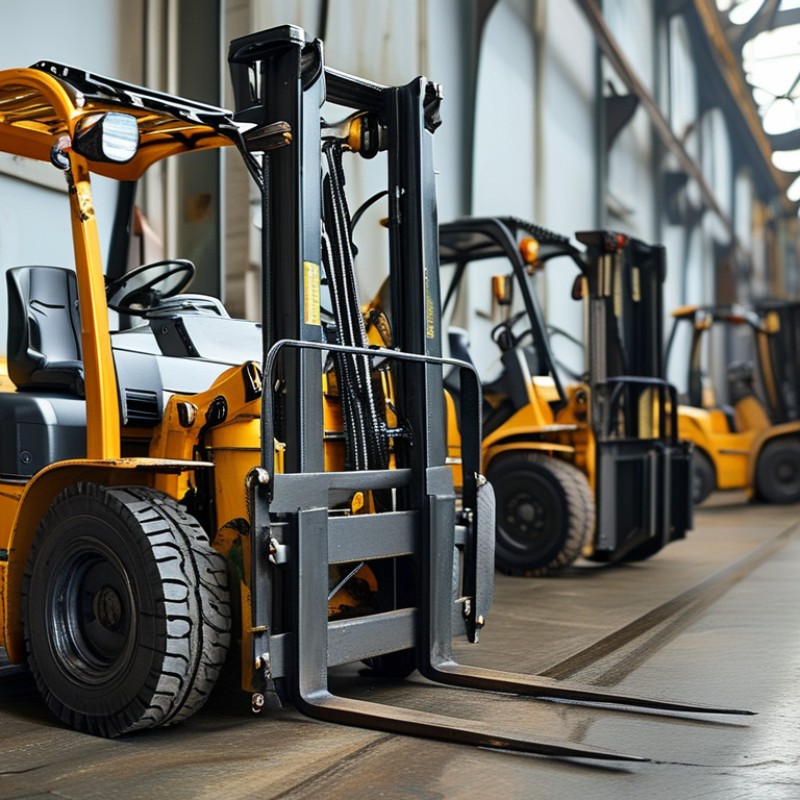
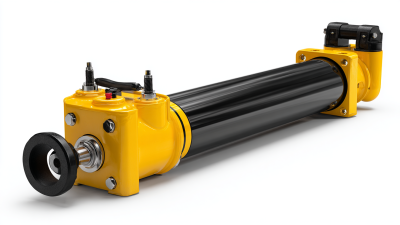
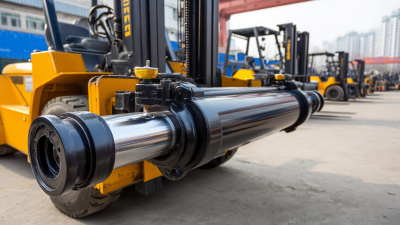
Choosing the right hydraulic cylinder for forklift applications can be challenging. These components play a vital role in ensuring the efficiency and safety of your equipment. A quality hydraulic cylinder for forklift must withstand demanding loads while providing reliable performance.
When considering a hydraulic cylinder for your forklift, it's essential to focus on durability and compatibility. Many factors contribute to the ideal choice. For instance, load capacity, stroke length, and material quality are critical. Failing to choose wisely can lead to costly downtime and repairs.
It’s also crucial to review manufacturers and their reputations. Not all hydraulic cylinders are created equal. Investing in a reputable brand can make a significant difference in performance. Remember, the right hydraulic cylinder for your forklift can enhance productivity and ensure operational safety.
Understanding Hydraulic Cylinders: A Key Component for Forklifts
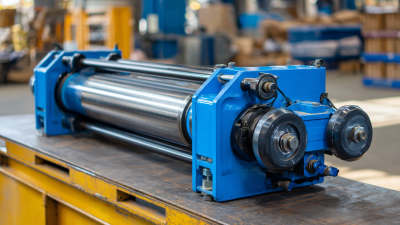
Hydraulic cylinders are crucial for the efficient operation of forklifts. They provide the necessary force to lift and lower heavy loads. Understanding their role can help improve performance and safety. These cylinders convert hydraulic pressure into linear motion, enabling the forklift's lifting mechanism to function effectively.
Many forklift operators may overlook the importance of maintaining hydraulic cylinders. Regular inspections can prevent costly breakdowns. Signs of wear include fluid leaks or irregular movement. These issues indicate that it's time for maintenance. Operators should ask questions and seek advice from experts when unsure about any cylinder-related issues.
Choosing the right hydraulic cylinder can be challenging. Knowledge of specifications is essential. Factors like size, pressure rating, and compatibility with the forklift model matter. Operators should do their homework. Seeking guidance can lead to better buying decisions. Careful selection of these components can enhance operational reliability.
Factors to Consider When Choosing a Hydraulic Cylinder for Forklifts
Choosing the right hydraulic cylinder for forklifts requires careful consideration of several factors. A hydraulic cylinder converts liquid pressure into mechanical force, playing a crucial role in lifting capacities. According to industry studies, approximately 30% of forklifts have hydraulic cylinder failures due to poor selection or maintenance.
One key factor is load capacity. Ensure the cylinder can handle the weight and load dynamics of your operations. Cylinders come in various sizes, and an ill-fitted cylinder can lead to inefficiency. The Environmental Protection Agency (EPA) reports that mismatched hydraulic systems can increase energy consumption by 15-20%.
Material quality is another critical aspect. Hydraulic cylinders must withstand harsh environments. Steel or composite materials are usually preferable for strength and durability. Consider how weather conditions, including temperature changes and moisture, might affect cylinder performance.
Tips: Regular maintenance checks can prevent premature failures. Inspect for leaks and wear regularly.
Lastly, cylinder stroke length impacts operational efficiency. A longer stroke can offer more versatility but can also affect response time. Choose a stroke length that balances functionality without sacrificing speed.
Remember, making informed decisions reduces downtime and enhances productivity.
Comparative Analysis of Top Hydraulic Cylinder Brands for Forklifts
When evaluating hydraulic cylinders for forklifts, brand reputation matters significantly. A well-established brand often indicates superior quality and reliability. Look for brands that specialize in hydraulic components. Their expertise might reflect in their products. It's essential to assess customer reviews and professional ratings. High ratings usually signify a trustworthy product.
Quality control processes can vary greatly among manufacturers. Investigating their production methods is important. Some brands may cut corners to reduce costs. This can lead to faulty performance. Pay attention to warranty offers as well. A longer warranty often shows that a brand stands behind its products. However, keep in mind that a warranty shouldn’t be the only reason to choose.
Many users report issues with hydraulic cylinders that don’t maintain pressure effectively. These incidents highlight the need for thorough research. Compare specifications such as maximum lifting force and operational pressure across different brands. Additionally, consider how easy it is to access customer support. A responsive service team can resolve issues swiftly when they arise. Take the time to weigh your options carefully.
Top 10 Hydraulic Cylinder For Forklift Buying Guide
| Cylinder Type |
Max Pressure (psi) |
Bore Size (inches) |
Stroke Length (inches) |
Weight (lbs) |
Material |
Price Range ($) |
| Single Acting |
2000 |
2.5 |
12 |
15 |
Steel |
150-200 |
| Double Acting |
2500 |
3 |
16 |
20 |
Aluminum |
300-400 |
| Heavy Duty |
3500 |
4 |
24 |
35 |
Steel |
500-600 |
| Compact |
1800 |
2 |
10 |
10 |
Aluminum |
100-150 |
| Standard |
2200 |
3.5 |
14 |
18 |
Steel |
200-250 |
Maintenance Tips for Prolonging the Life of Forklift Hydraulic Cylinders
Forklift hydraulic cylinders are essential components that significantly affect performance. Proper maintenance is crucial for extending their lifespan. Regular checks should become a habit. Inspect for leaks, damaged seals, and unusual wear. These small issues can lead to major failures.
Tip: Always clean the cylinder rods. Dirt and debris can cause scratches and wear. Use a soft cloth and non-abrasive cleaner. After working in harsh environments, inspect the components. Contaminants can accumulate and lead to corrosion.
Lubrication is vital. Ensure the cylinder is adequately lubricated to minimize friction. Use high-quality lubricants recommended for hydraulics. Over time, fluid can degrade, impacting performance. Change the hydraulic fluid as per the manufacturer’s recommendations to avoid issues.
Tip: Monitor temperature levels during operation. Overheating can lead to premature wear. If you notice any unusual temperature increases, stop the forklift and inspect the hydraulic system. Addressing potential problems early can save you from costly repairs.
Common Issues with Hydraulic Cylinders and How to Troubleshoot Them
Hydraulic cylinders are crucial components in forklifts, enabling precise lifting and lowering actions. However, they often encounter issues that can impede performance. Common problems include leaking seals, inadequate pressure, or cylinder misalignment. Leaks can result from worn seals, causing significant hydraulic fluid loss. According to industry reports, approximately 30% of hydraulic failures stem from seal failure. Regular inspection is essential to catch these leaks early.
Pressure troubles can arise from blockages or pump failures. If the hydraulic system doesn't reach required operating pressure, lifting capabilities are diminished. Record data suggests that 40% of hydraulic system issues are linked to inadequate pressure. Operators must check hydraulic lines for obstructions and ensure the pump is functioning correctly. Misalignment of the hydraulic cylinder affects stability and safety during operations. Proper alignment during installation is vital, though it’s often overlooked, leading to premature wear.
Routine maintenance can aid in troubleshooting these issues. Checking fluid levels and purging air from the system can enhance cylinder performance. Referring to maintenance schedules can prevent significant failures. However, even the best plans can fall short without diligent execution. Addressing hydraulic cylinder issues requires both knowledge and careful observation. Trustworthy sources suggest documenting any changes in performance to identify patterns over time. Such practices contribute to the longevity of hydraulic cylinders in forklift applications.
Hydraulic Cylinder Common Issues and Troubleshooting