index-bg-11

10 Essential Tips for Choosing Hydraulic Cylinder For Forklift?

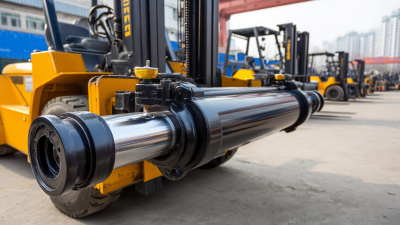
When selecting a hydraulic cylinder for forklift applications, understanding specific requirements is crucial. Hydraulic cylinders are vital components, influencing the lift and maneuverability of forklifts. The right choice determines efficiency and safety on the job site. It’s essential to assess load capacities, functioning pressure, and overall durability.

Consider the environment in which the forklift operates. Exposure to dust, moisture, or fluctuating temperatures can affect cylinder performance. Choosing a hydraulic cylinder for forklift that suits your working environment can prevent costly repairs. Pay attention to the installation process as well. Some cylinders may require specific tools or expertise, which can add to your expenses.

Reflect on the long-term impact of your choice. A reliable hydraulic cylinder for forklift enhances productivity. Conversely, a poor choice may lead to downtime and increased maintenance costs. Opting for reputable brands often guarantees better quality and support. Evaluate your options carefully. Making informed decisions now can lead to a safer and more efficient operation in the future.
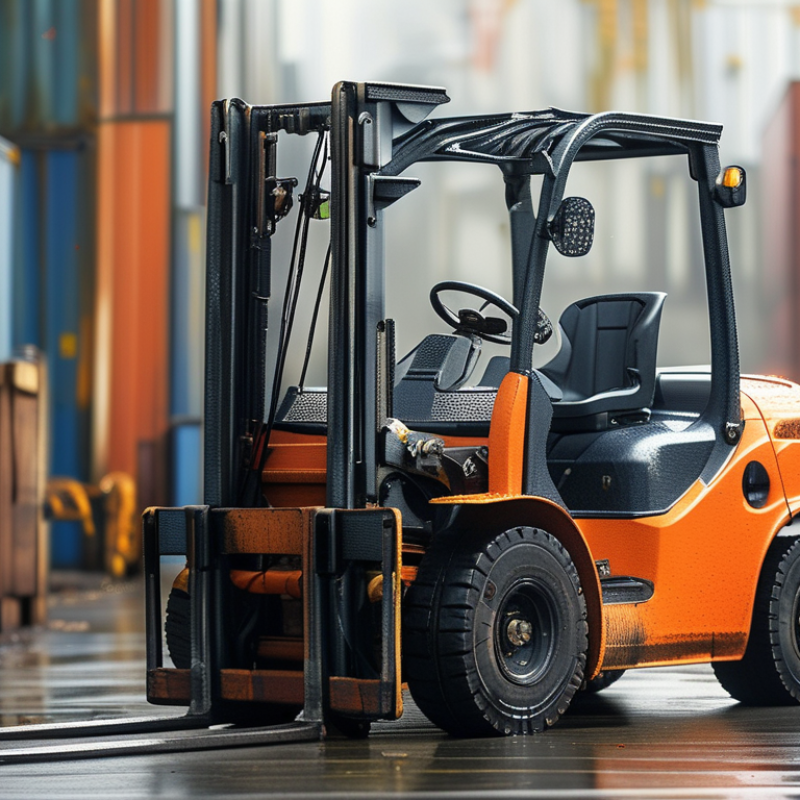
10 Essential Tips for Choosing Hydraulic Cylinder For Forklift?

Understanding the Types of Hydraulic Cylinders for Forklifts

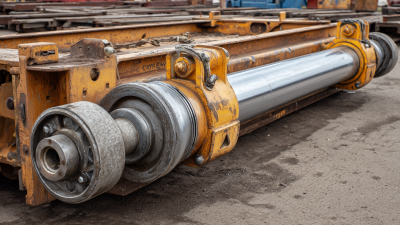
Understanding the types of hydraulic cylinders for forklifts is crucial for ensuring optimal performance. Hydraulic cylinders vary in design and application, impacting their efficiency and durability. Common types include single-acting, double-acting, and telescopic cylinders. Research indicates that properly matched hydraulic components improve operational efficiency by 30% or more.

Single-acting cylinders use pressure in one direction, suitable for lifting tasks. In contrast, double-acting cylinders allow movement in both directions, providing more versatility. Telescopic cylinders offer compactness, making them ideal for limited space. An industry report from the International Society of Automation points out that using the right type of cylinder can reduce maintenance costs by 25%.

Consider the load requirements and lifting height when selecting a cylinder. Miscalculations can lead to reduced performance and safety risks. Additionally, the selection of materials affects longevity. For instance, high-quality seals prevent leakage and prolong service life. However, some users may overlook these aspects, ultimately impacting the hydraulic system's reliability. Regular inspections can help identify issues early and maintain efficiency.

Key Specifications to Consider When Selecting Hydraulic Cylinders

When selecting hydraulic cylinders for forklifts, key specifications play a crucial role in ensuring optimal performance. One critical aspect to consider is the cylinder's bore size. A larger bore often increases lifting capacity but can add weight. Industry reports indicate that a bore diameter of 3-5 inches typically suffices for most medium-duty forklifts, balancing capacity with efficiency. The rod diameter also should not be overlooked. A thicker rod enhances strength, essential for heavy lifting but may require more power.

Another important specification is the stroke length. The stroke must align with the operational height required by the forklift. An analysis of equipment performance indicates that a typical stroke length varies from 12 to 36 inches, tailored to specific lifting needs. Additionally, the operating pressure of hydraulic cylinders, which often ranges between 1,500 and 3,000 PSI, determines how effectively the cylinder can lift its rated load. Selecting cylinders at the higher pressure ratings can offer better performance but may result in increased wear.

Material selection impacts durability and resistance to environmental factors. Steel and alloy materials are common for their resilience; however, they can corrode without proper maintenance. Studies reveal that hydraulic cylinders face wear and tear beyond 3,000 hours of operation, suggesting a need for regular inspections. Paying attention to seal quality also is vital. High-quality seals can withstand harsh conditions and prolong cylinder life, leading to cost savings and better forklift performance. Making informed choices based on these specifications can significantly enhance operational efficiency.

Hydraulic Cylinder Selection Factors

Evaluating the Performance Requirements for Your Forklift Application

When selecting a hydraulic cylinder for your forklift application, understanding the performance requirements is crucial. The load capacity of a forklift directly influences which hydraulic cylinder can be used. Assess the maximum weight the forklift needs to lift. Ensure the cylinder can handle that weight, plus some margin for safety.

Another key factor is the speed of operation. Some applications require faster lifting, while others may prioritize stability. Observe how quickly the cylinder acts under load. The hydraulic fluid type is also significant. Different fluids can affect efficiency and cylinder life. Be prepared to adapt if you change your fluid type.

Consider the environmental conditions where the forklift operates. Extreme temperatures can influence hydraulic performance. Corrosive environments may require specialized materials. It's essential to evaluate these factors to prevent future issues. Regular monitoring and adjustments may be necessary as operations evolve. Being proactive can save time and costs down the line.

10 Essential Tips for Choosing Hydraulic Cylinder For Forklift

Tips Description Considerations
1. Determine Load Requirements Evaluate the maximum load the forklift will lift. Use load charts to select cylinder capacity.
2. Assess Stroke Length Identify the required travel distance for the forklift's operations. Consider the application height requirements.
3. Check Cylinder Diameter Choose an appropriate cylinder diameter to balance strength and weight. Larger diameters offer more lifting power but add weight.
4. Consider Operating Pressure Select cylinders compatible with your forklift's hydraulic system pressure. Ensure safety margins are adequately maintained.
5. Material and Construction Choose durable materials suitable for the operating environment. Consider corrosion resistance and structural integrity.
6. Evaluate Mounting Options Decide on the mounting style required for your forklift application. Compatibility with existing hardware is crucial.
7. Review Manufacturer Specifications Check the specifications provided by the manufacturer for reliability. Look for certifications that indicate quality standards.
8. Analyze Maintenance Requirements Consider how often the hydraulic cylinder will need service. Ease of access can reduce downtime.
9. Budget Constraints Establish your budget for purchasing a hydraulic cylinder. Balancing quality and cost will yield the best results.
10. Seek Expert Advice Consult with experts or engineers for recommendations. Professional insight can help avoid common pitfalls.

Assessing Compatibility with Existing Forklift Systems

When selecting a hydraulic cylinder for a forklift, compatibility with existing systems is crucial. Each forklift model has unique specifications that dictate the type and size of the hydraulic cylinder it requires. Carefully check the force requirement and stroke length of your current system. It is easy to overlook these details, but they can affect performance significantly.

Measure the mounting dimensions of the existing hydraulic cylinder. This ensures that the new cylinder fits correctly without modification. An improperly sized cylinder can lead to inefficiencies and even safety hazards. Take note of the hydraulic fluid type as well. Different fluids can affect the cylinder’s operation and longevity.

Consider the working pressure and flow rate of your forklift. These specifications are vital to maintain optimal functionality. A mismatch can cause unnecessary wear or even failure of the equipment. Testing a new hydraulic cylinder before full installation could reveal potential issues. Taking these steps might seem tedious, but they are essential for enhancing the reliability of your forklift system.

Tips for Sourcing Quality Hydraulic Cylinders from Manufacturers

When sourcing quality hydraulic cylinders from manufacturers, it’s essential to prioritize thorough research. Look for suppliers with a solid reputation in the industry. Often, you can find reviews or testimonials that indicate past customer experiences. This step helps to gauge reliability. It’s wise to ask for references to ensure their credibility. Many manufacturers will be willing to share success stories from previous clients.

Another critical factor is to assess the materials used in the cylinders. High-quality steel and inner seals play a vital role in performance. Requesting detailed specifications from manufacturers can help you understand their production standards. Inspecting samples before placing large orders is also advisable. This approach allows you to check for finish quality and overall construction.

Lastly, establish clear communication with manufacturers. Discuss your specific requirements and express any concerns directly. Good suppliers will be responsive and open to feedback. Observing how they handle inquiries can reveal a lot about their customer service. Taking these steps helps to ensure you choose the right hydraulic cylinder, ultimately impacting your forklift's performance.