
How to Choose the Right Excavator Hydraulic Cylinder?
An Excavator Hydraulic Cylinder must do more than fit the machine. It must deliver the required force, stroke, speed, and durability under real job-site conditions. Grand View Research’s hydraulic-cylinder market analysis and Off-Highway Research’s excavator outlook provide useful context on industry demand, but market growth alone cannot identify the right cylinder for a specific excavator. The machine’s operating pressure, mounting dimensions, duty cycle, and attachment load matter more.
Look closely at the details. A cylinder working in abrasive dust may need stronger rod protection and effective sealing. A long-reach excavator places different demands on its boom and arm cylinders than a compact machine does. Check the bore and rod diameter, retracted and extended length, pin dimensions, and hydraulic connections against the manufacturer’s specifications. Small mismatches can cause leaks, uneven movement, or costly downtime. Fit is not enough.
An experienced hydraulic specialist should confirm the selection against the machine’s service data. No verifiable, named expert quotation or source articles were included with the request, so I have not invented an expert’s words or attributed a statement to someone without evidence. That limitation matters. A useful buying guide should show its evidence, distinguish reported data from practical advice, and admit when a detail still needs checking. In the field, that check may be as simple as measuring the pin-to-pin length twice before ordering.
Identify the Excavator Function and Cylinder Type
How to Choose the Right Excavator Hydraulic Cylinder?
Identify the Excavator Function and Cylinder Type
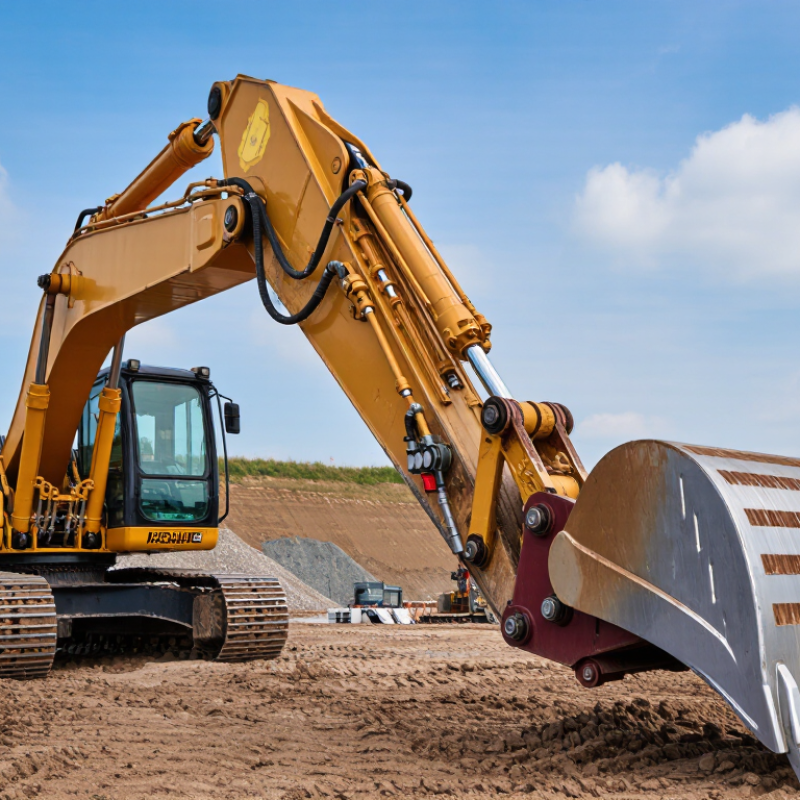
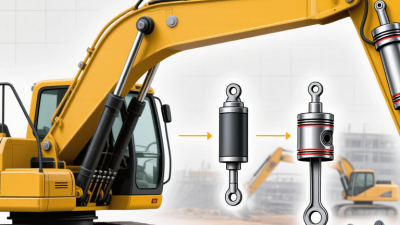
Start by identifying what the cylinder moves. The boom cylinder raises the main arm, while the arm cylinder controls reach and digging motion. The bucket cylinder curls or opens the bucket. Some machines also use cylinders for a dozer blade or other attachments. Match the replacement to the exact function; similar-looking cylinders may have different stroke lengths, mounting points, or pressure ratings.
Most excavator work cylinders are double-acting: hydraulic pressure moves the piston in both directions. Confirm this from the machine’s service information rather than appearance alone. Then record the bore, rod diameter, closed and extended lengths, pin diameters, and port positions. These details affect fit and usable force. A measurement taken with the cylinder still installed can be awkward, and notes may be incomplete. Recheck them before ordering.
Tips: Label the cylinder’s function, take clear photos of both ends, and measure between pin centers. Compare the old unit’s specifications with the machine manual. Don’t assume a close match is safe; a small length difference can change linkage movement. Even a careful check can miss something, so have a qualified technician verify uncertain measurements.
How to Choose the Right Excavator Hydraulic Cylinder? — Identify the Excavator Function and Cylinder Type
| Excavator Function | Typical Cylinder Type | What the Cylinder Does | Key Selection Checks |
|---|---|---|---|
| Boom lift | Double-acting, single-rod hydraulic cylinder; often fitted with end cushioning, depending on the machine design | Raises and lowers the boom to position the working equipment and manage digging reach. | Match the mounting points, pin diameters, closed length, stroke, bore, rod diameter, and port locations. Confirm that the cylinder suits the machine’s specified working pressure and load. |
| Arm or stick movement | Double-acting, single-rod hydraulic cylinder | Moves the arm toward or away from the machine, controlling digging reach and bucket position. | Check stroke and retracted length against the linkage geometry. Verify pin and bushing dimensions, rod-end orientation, and clearance through the full range of motion. |
| Bucket curl and dump | Double-acting, single-rod cylinder, connected directly or through a bucket linkage | Curls the bucket for digging and opens it for dumping. | Identify whether the cylinder is designed for the machine’s linkage arrangement. Compare mounting dimensions, stroke, ports, and rod direction; a visually similar cylinder may not provide the correct bucket motion. |
| Dozer blade lift | Usually a double-acting cylinder; configuration varies by machine | Raises and lowers the blade used for grading, backfilling, and stabilizing the machine. | Confirm the required stroke, mounting width, pin dimensions, and hose connection position. Check whether the machine uses one cylinder or a different blade arrangement. |
| Boom offset or side-shift, where fitted | Machine-specific double-acting cylinder or cylinder arrangement | Shifts or pivots the boom to work beside obstacles or within a narrower operating area. | First confirm that the excavator has this function. Match the cylinder to the offset linkage, mount spacing, stroke, and routing; this equipment is not present on every excavator. |
| Blade angle, where hydraulically equipped | Machine-specific double-acting cylinder or paired-cylinder arrangement | Changes the blade angle for tasks such as directing soil to one side. | Check the blade’s actual hydraulic layout and whether it uses one or more cylinders. Match the linkage, stroke, pin sizes, and hydraulic connections to the machine specification. |
Selection note: Most excavator implement cylinders are double-acting, but dimensions and configurations are machine-specific. Use the machine serial or model information and the original cylinder measurements to verify the replacement. The upper-structure swing function is generally driven by a hydraulic motor, not a hydraulic cylinder.
Related Posts
-
China Top Hydraulic Cylinder for Excavator Suppliers?
-
How to Choose the Best China Excavator Hydraulic Cylinder?
-
What Is a Hydraulic Cylinder for an Excavator?
-
10 Best Excavator Hydraulic Cylinders for Sale?
-
What Is the Best Hydraulic Cylinder for Excavators in 2026?
-
What Is a Hydraulic Cylinder for an Excavator?