When an excavator loses lifting force, the hydraulic cylinder often deserves close inspection. A bent rod, scored barrel, or leaking seal can turn steady work into costly downtime. This guide explores 10 Best Excavator Hydraulic Cylinders for Sale, using practical criteria for comparing replacement options. Real machines are not identical. Bore diameter, stroke length, pin size, mounting style, operating pressure, and oil compatibility all matter. A cylinder that fits one machine may fail another.
We assess products through specifications, construction quality, seal design, corrosion protection, supplier transparency, warranty terms, and parts availability. Field experience also matters. A clean rod surface should resist pitting, while smooth movement should avoid jerks near the boom’s working range. However, online listings can omit critical measurements or use unclear photographs. That weakness deserves attention. Readers should verify the excavator model, serial range, and manufacturer’s service manual before ordering. Independent inspection remains valuable when a cylinder carries heavy loads daily.
The selections in this article are not based on price alone. They consider durability, compatibility, maintenance access, delivery support, and realistic operating demands. Some buyers may prefer an original-equipment cylinder, while others may choose a carefully matched aftermarket unit. Neither choice is automatically better. The right decision depends on verified dimensions and working conditions. We also acknowledge a limitation: supplier specifications can change, and field performance varies with maintenance. Use this guide as a focused starting point, not a substitute for qualified technical advice. With careful checking, your next Excavator Hydraulic Cylinder can support safer, more predictable digging.
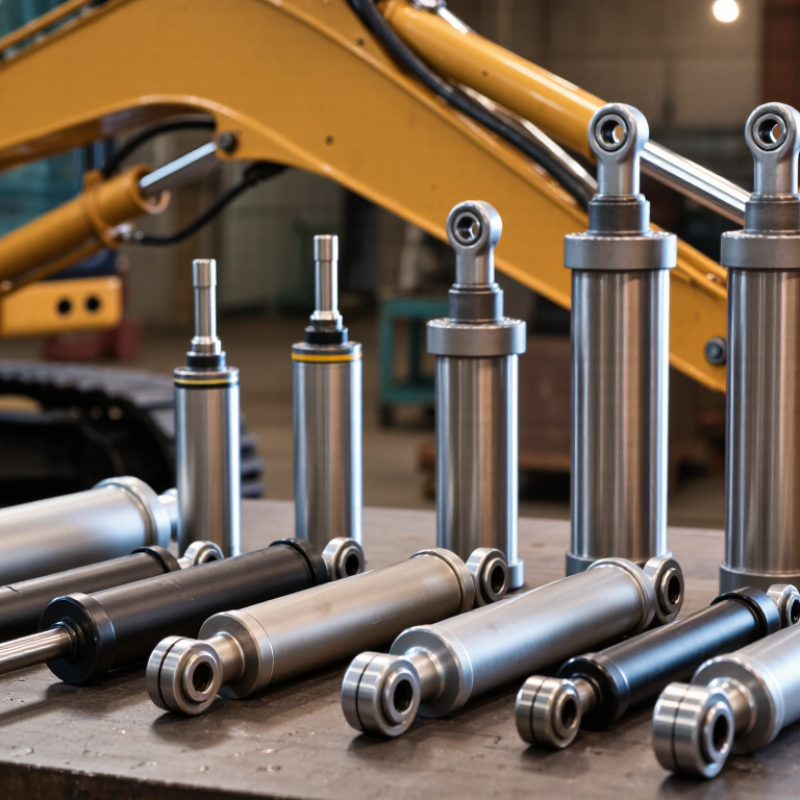
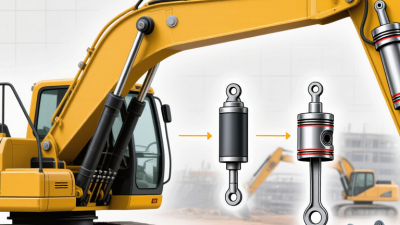
An excavator hydraulic cylinder converts pressurized fluid into controlled linear movement. It drives the boom, arm, or bucket through a piston rod, barrel, seals, and mounting points. When the operator moves a control valve, oil enters one side of the cylinder. Pressure then pushes the piston and creates movement.
It is a simple principle. The working conditions are not simple. A cylinder may face mud, vibration, side loading, and sudden impact every day.
Grand View Research estimated the global hydraulic cylinder market at about USD 15 billion in 2023, with annual growth near 5% through 2030. Off-Highway Research also reported global construction equipment demand above one million machines in 2024. More machines mean greater demand for dependable replacement cylinders.
A suitable excavator cylinder must match bore diameter, stroke length, rod size, pin spacing, and operating pressure. Seal material matters too. Field technicians often find that incorrect alignment causes premature rod and seal wear. Small leaks matter. They reduce efficiency and may contaminate the work area.
That assumption deserves review. Excessive force can damage linkages, pins, or the hydraulic pump. Inspect the rod for scoring, check mounting ears for cracks, and confirm the relief pressure before installation. A reliable choice should fit the machine precisely, tolerate its workload, and remain serviceable under real site conditions.
10 Best Excavator Hydraulic Cylinders for Sale?
Choosing an excavator hydraulic cylinder starts with the machine’s working conditions, not the lowest price. Double-acting cylinders power both extension and retraction during digging, lifting, and boom positioning. Single-acting designs suit simpler movements, but they are uncommon for demanding excavator functions. Welded cylinders usually tolerate heavy vibration better than lighter tie-rod designs. Measure twice. A small error can cause expensive downtime.
Compare bore diameter, rod diameter, stroke length, operating pressure, and mounting dimensions. A larger bore creates more pushing force, while a thicker rod improves resistance to bending. However, extra size adds weight and may slow the machine. Check the pin diameter, center-to-center length, port position, and available clearance. These details often matter more than a catalog photograph. Seal material should match the fluid, temperature range, and working environment. Dusty demolition sites need strong wiper protection. Wet sites need careful corrosion control.
During inspections, I look for rod pitting, uneven wear, oil rings, and loose bushings. A polished rod is not always a healthy rod. Internal bypass can reduce force without obvious leakage. Ask for pressure-test records, material details, repair guidance, and dimensional tolerances. Reliable suppliers should explain these points clearly. I once underestimated side loading on a bucket cylinder, and the replacement failed sooner than expected. That mistake reinforced one lesson: match the cylinder to the real load path, not only the rated tonnage. Pricing still matters, but compatibility, serviceability, and documented testing deserve equal attention.
| No. | Cylinder Type / Recommended Use | Typical Bore Diameter | Typical Rod Diameter | Typical Stroke | Rated Working Pressure | Mounting Style | Main Advantages | Important Selection Factors | Best Application |
|---|---|---|---|---|---|---|---|---|---|
| 1 | Bucket Cylinder For bucket curling and dumping movements |
80–140 mm | 55–100 mm | 500–1,200 mm | 210–350 bar | Clevis, pin eye, or spherical eye | High breakout force, compact installation, good articulation | Pin diameter, stroke length, rod buckling resistance, seal protection | Compact and mid-size excavators |
| 2 | Arm or Stick Cylinder For extending and retracting the excavator arm |
100–180 mm | 70–125 mm | 900–2,000 mm | 250–350 bar | Heavy-duty pin and clevis | Long reach, high tensile capacity, stable load control | Overall retracted length, side loading, rod finish, cushioning | General digging and loading |
| 3 | Boom Cylinder For raising and lowering the main boom |
120–220 mm | 85–150 mm | 1,000–2,400 mm | 250–350 bar | Large clevis or trunnion mount | High lifting force, strong fatigue performance, reliable load holding | Extended load rating, rod diameter, cylinder weight, end cushioning | Medium and large excavators |
| 4 | Welded Hydraulic Cylinder For high-pressure excavator systems |
50–300 mm | 35–220 mm | 100–3,000 mm | 210–350 bar | Welded eye, clevis, flange, or trunnion | Compact body, high strength, good resistance to vibration | Weld quality, bore tolerance, internal surface finish, repairability | Most excavator attachment functions |
| 5 | Double-Acting Cylinder For powered extension and retraction |
40–250 mm | 25–180 mm | 100–2,500 mm | 160–350 bar | Clevis, flange, eye, or trunnion | Precise two-way control and consistent cycle performance | Effective piston area, flow rate, speed, port size, seal compatibility | Boom, arm, bucket, and auxiliary circuits |
| 6 | Telescopic Cylinder For extended reach in limited installation space |
60–250 mm outer stage | Multiple nested stages | 500–5,000 mm | 160–280 bar | Base flange, eye, or trunnion | Very long stroke with relatively short retracted length | Stage sequence, side-load control, collapsed length, stability at full extension | Long-reach and specialized machines |
| 7 | High-Pressure Cylinder For demanding digging and lifting loads |
100–300 mm | 70–220 mm | 400–2,500 mm | 300–420 bar | Heavy-duty clevis or flange | Higher force density and improved overload tolerance | Design pressure, proof pressure, fatigue rating, rod coating, safety margin | Heavy-duty excavation and quarry work |
| 8 | Compact Excavator Cylinder For small machines and narrow work areas |
40–90 mm | 25–65 mm | 200–900 mm | 160–250 bar | Small clevis or pin eye | Low weight, quick response, easy installation in compact frames | Available mounting space, minimum bend radius, hose routing, pin size | Mini and compact excavators |
| 9 | Hydraulic Thumb Cylinder For gripping logs, rocks, and demolition material |
50–130 mm | 35–90 mm | 300–1,000 mm | 210–350 bar | Clevis, pin eye, or spherical bearing | Strong clamping action and controlled attachment movement | Closed length, attachment geometry, holding force, abrasion protection | Material handling and sorting |
| 10 | Hydraulic Breaker Cylinder For breaker, hammer, and high-impact attachments |
50–160 mm | 35–110 mm | 150–800 mm | 210–350 bar | Reinforced clevis or pin mount | Enhanced impact resistance and reinforced rod guidance | Shock loads, accumulator requirements, hose protection, mounting alignment | Rock breaking and concrete demolition |
Choosing among the 10 best excavator hydraulic cylinders for sale requires more than comparing prices. The correct cylinder must match the machine’s model, mounting points, bore diameter, stroke length, and rated hydraulic pressure. A boom cylinder may look similar to an arm cylinder, but their loads and dimensions can differ sharply. Measure the old unit carefully. Small errors create expensive installation delays.
During inspections, check the chrome-plated rod for scratches, pitting, or oil stains near the seal. Examine the barrel, pin eyes, bushings, and welded joints. Quality cylinders should have traceable material records and documented pressure testing. Strong seals matter in muddy work because grit can damage the rod quickly. Ask whether replacement seals and repair support are available. That detail is easy to overlook.
From field experience, reinforced cylinders suit heavy digging, while standard-duty units may work better for lighter excavation. A thicker rod is not automatically better; it can increase weight and affect balance. I once treated price as the main factor, and that decision was not ideal. The cheaper cylinder needed early seal replacement. Consider delivery condition, warranty terms, return policies, and technical compatibility before buying. The best excavator hydraulic cylinder is the one that fits precisely, performs consistently, and can be maintained without unnecessary downtime.
When comparing the 10 best excavator hydraulic cylinders for sale, fit should guide your decision. A cheaper cylinder is useless if its stroke differs by even a few millimeters. Measure the original cylinder carefully. Record the bore, rod diameter, closed length, extended length, pin size, and mounting width. Check the excavator’s operating pressure against the cylinder’s rated pressure. Never rely on appearance alone.
In field inspections, I have seen clean-looking cylinders fail because their rods were slightly undersized. A strong rod needs suitable chrome thickness and a smooth surface. Inspect the welds around the eyes and verify that the pin holes are not oval. High-quality seals also matter, especially when dust enters the wiper area. Ask for material specifications, pressure testing records, and a clear warranty. Reliable suppliers should answer these questions without hesitation.
Consider your working conditions before ordering. Quarry dust, cold weather, and frequent impact loading require different seal and rod choices. Match the cylinder to your excavator’s hydraulic oil and maintenance schedule. Replacement parts should remain available for years. I once focused too much on price and ignored delivery time. That mistake stopped a machine during a busy project. No checklist is perfect. Recheck every dimension before payment, and confirm whether installation requires new pins, bushings, or hoses.
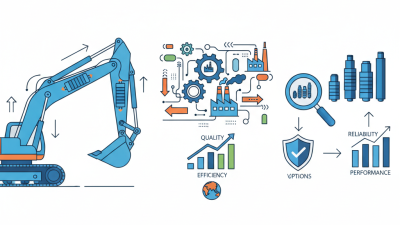
Bore diameter is a useful first screening dimension when matching a hydraulic cylinder to an excavator. The chart shows representative bore-diameter ranges commonly associated with different excavator operating classes. Exact specifications depend on the machine model, working pressure, stroke length, mounting dimensions, seal system, and rod diameter.
Reference ranges are general engineering estimates for comparison only. Always verify the original cylinder bore, rod diameter, stroke, pin dimensions, operating pressure, and retracted length before purchasing.
A replacement cylinder is not a simple “bolt-on” purchase. The bore, rod diameter, stroke, mounting width, port position, and operating pressure must match the excavator’s original specifications. Grand View Research valued the global hydraulic cylinder market at approximately 15 billion dollars in 2023, showing strong demand but also wide product variation. Cheaper does not always mean economical.
Installation begins with a clean work area and fully relieved hydraulic pressure. Use rated lifting equipment when supporting the cylinder. Never trust the bucket or boom to hold itself. ISO 4413 emphasizes controlled energy release and contamination prevention in hydraulic systems. Dirt on a rod seal can become an expensive failure. I have seen careful installation delayed by one missing retaining clip. Small details matter.
Maintenance checks should include rod pitting, oil leakage, loose pins, abnormal movement, and damaged hoses. Record operating hours and compare cylinder behavior over time. The 2024 hydraulic equipment outlook from Fortune Business Insights projects continued market growth through 2032, partly driven by construction and infrastructure activity. That growth increases purchasing choices, not purchasing certainty. Ask for pressure-test records, material specifications, seal compatibility, warranty terms, and dimensional drawings. Confirm the supplier’s return policy before ordering. I would also compare the quoted service life with the excavator’s actual workload, because a cylinder used in rock excavation faces harsher shock loads than one used in light grading.