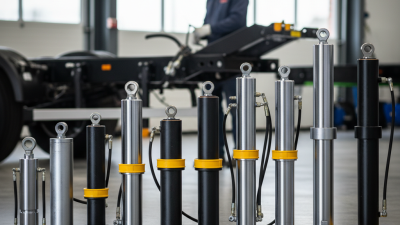
2026 Best Hydraulic Cylinder For Trailer Buying Guide?
When it comes to selecting the best hydraulic cylinder for trailer applications, expert insights are invaluable. John Smith, a renowned hydraulic systems engineer with over 20 years of experience, emphasizes, "Choosing the right hydraulic cylinder for your trailer is crucial for performance and safety." His expertise highlights the importance of understanding cylinder specifications and compatibility with different trailer systems.
Hydraulic cylinders for trailers are not merely components; they are critical to functionality. A well-selected cylinder can enhance load capacity and balance. It can also ensure smooth operation. For instance, if the wrong capacity is chosen, it could lead to premature wear or even failure during use. This area requires careful consideration, especially for individuals relying on trailers for heavy-duty tasks.
Investing in a high-quality hydraulic cylinder for trailers is often seen as a straightforward choice. However, many overlook the complexities involved. It's vital to reflect on the installation process and potential maintenance requirements. A cylinder might seem perfect on paper, but real-world application can reveal flaws. Gathering expert recommendations and conducting thorough research can save time and ensure safety.
Understanding Hydraulic Cylinders: Basics and Functionality
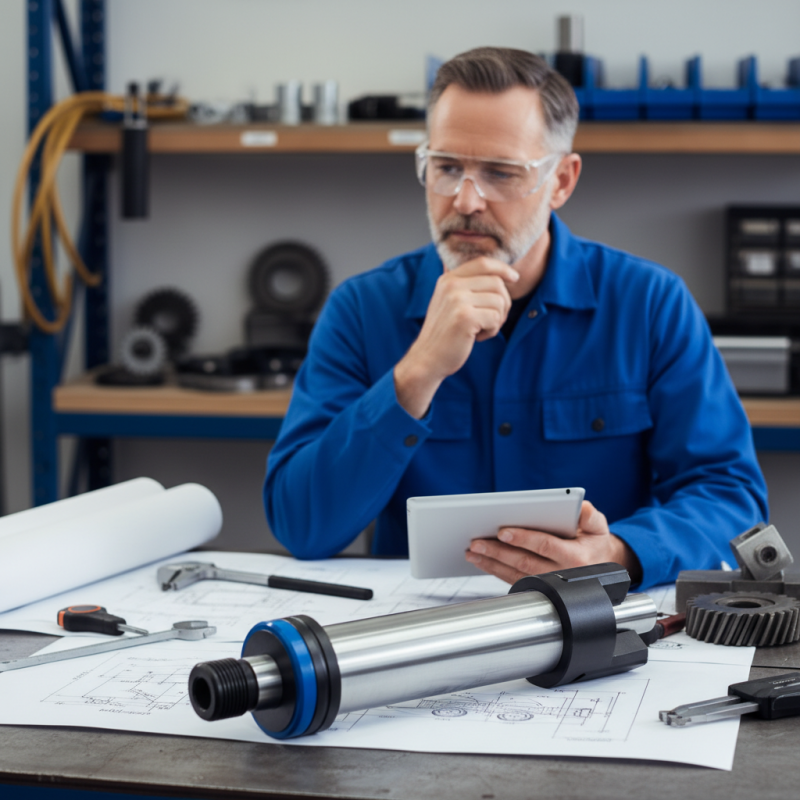
Hydraulic cylinders play a crucial role in trailer functionality. They provide the force necessary to lift and lower heavy loads, making them essential for various applications. Understanding their basics helps in choosing the best cylinder for any trailer. A hydraulic cylinder consists of a cylinder barrel, piston, and seals. The hydraulic fluid creates pressure, enabling movement. This process can appear straightforward, yet there are nuances.
Not all hydraulic cylinders are made the same. Variations exist in size, stroke length, and mounting styles. These factors can significantly impact performance. Potential users often overlook the importance of matching the cylinder to their specific needs. A mismatch may lead to inefficient operations or even damage. Users must consider weight capacity and operating environment. Neglecting these details can lead to frustrations and operational failures.
Training and experience with these components foster better decision-making. Users should seek knowledge from experts or reputable sources. It can help avoid common pitfalls. However, even seasoned users sometimes overlook simple maintenance practices. Regular checks and fluid replacements enhance reliability but are often forgotten. This oversight can lead to reduced lifespan and surprises during critical moments.
Hydraulic Cylinder Specifications Comparison
Key Specifications to Consider When Purchasing a Hydraulic Cylinder
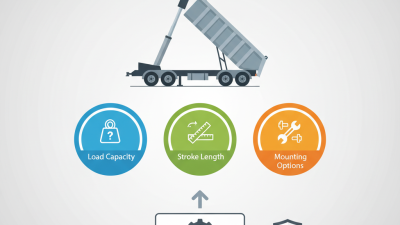
When selecting a hydraulic cylinder for your trailer, understanding key specifications is crucial. The cylinder bore size is one of the most important factors. A larger bore can provide increased lifting capacity, which is essential for heavy loads. However, too big may sacrifice stability. Assess your lifting needs against the bore options available.
Next, stroke length plays a significant role. It determines how far the cylinder will extend and retract. Measure your trailer's requirements carefully. An incorrect stroke length can lead to inefficiencies. Look for cylinders with adjustable features if your needs vary frequently. Don’t overlook the mounting style. Each configuration serves different applications and must match your trailer design to function properly.
Finally, consider the material and pressure ratings. Common materials include steel and aluminum. Steel offers strength, while aluminum reduces weight. Choose based on durability and application demands. The pressure rating should also match your operational limits. A mismatch here can lead to failures, creating potential risks. Ensure you make informed choices to avoid costly mistakes.
Top Brands in Hydraulic Cylinders for Trailers: A Comparative Review
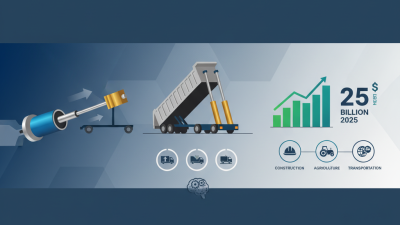
When selecting a hydraulic cylinder for trailers, understanding the leading brands is crucial. Research shows that the market for hydraulic cylinders is expected to reach $9.45 billion by 2026, indicating robust growth. Industry experts note that the demand arises primarily from increased trailer usage in logistics and transportation.
Several top brands dominate this market. Their products are evaluated based on durability, lifting capacity, and ease of installation. A comparative review highlights that cylinders with longer service life often rely on advanced materials. Commonly, brands utilize high-strength steel, enhancing reliability under heavy loads. Nevertheless, some users report inconsistent performance, raising questions about quality control across different production batches.
In terms of performance metrics, experts recommend cylinders with a minimum retraction speed of 0.2 inches per second for efficient operation. However, the right choice may also depend on specific trailer configurations. Users occasionally overlook this aspect, leading to potential mismatches. Investing time in research can prevent such pitfalls, ensuring optimal performance and safety in trailer operations.
2026 Best Hydraulic Cylinder For Trailer Buying Guide
| Feature |
Specification 1 |
Specification 2 |
Performance |
Price Range |
| Lifting Capacity |
5000 lbs |
8000 lbs |
10000 lbs |
$150 - $300 |
| Stroke Length |
12 in |
16 in |
20 in |
$200 - $400 |
| Material |
Aluminum |
Steel |
Composite |
$100 - $250 |
| Operating Pressure |
1500 psi |
2000 psi |
2500 psi |
$180 - $320 |
| Warranty |
1 Year |
2 Years |
Lifetime |
$250 - $500 |
Maintenance Tips for Optimal Performance of Hydraulic Cylinders
Proper maintenance is key to ensuring optimal performance of hydraulic cylinders used in trailers. Regular inspections can prevent unexpected failures. Check the seals and connections frequently. Look for leaks or signs of wear. Addressing these issues early can extend the life of the cylinder.
Keeping the hydraulic fluid at the proper level is crucial. Dirty fluid can lead to internal damage. Regularly replace the fluid as recommended. Use the right type of fluid for your system. A clean, well-maintained hydraulic system operates efficiently and reduces downtime.
Pay attention to environmental factors. Exposure to extreme temperatures can affect cylinder performance. Shelter the cylinders from harsh conditions when possible. It’s also wise to record maintenance activities. This documentation helps identify patterns that might require intervention. A proactive approach makes a significant difference in reliability.
Safety Considerations When Using Hydraulic Cylinders on Trailers
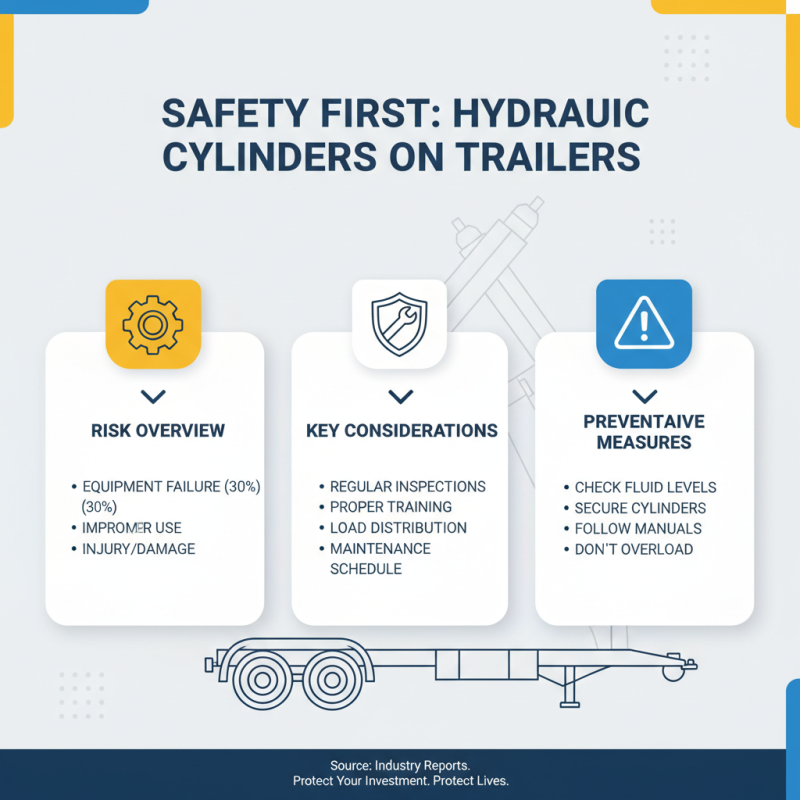
Using hydraulic cylinders on trailers involves specific safety considerations that must not be overlooked. According to industry reports, improper use of hydraulic systems accounts for nearly 30% of equipment failures. This statistic underscores the importance of understanding the risks involved with hydraulic cylinders.
Ensuring proper maintenance reduces the chances of failures. Regularly check seals, hoses, and connections for wear and leaks. The American Society of Mechanical Engineers (ASME) recommends inspecting hydraulic systems at least once every six months. Ignoring these practices can lead to catastrophic failures. Moreover, insufficient training for operators can significantly increase the risk of accidents. Reports indicate that operator error is responsible for 40% of hydraulic-related incidents.
Hydraulic cylinders also require careful load management. Overloading can result in unexpected failures, potentially causing severe injuries. It's crucial to adhere to the manufacturer's specifications. Keeping a clear understanding of weight limits is vital. Implementing safety protocols and using proper personal protective equipment are essential steps. However, these measures are often overlooked, leading to unfortunate incidents that could have been avoided.