2026 Best Hydraulic Cylinder For Excavator Reviews and Tips?
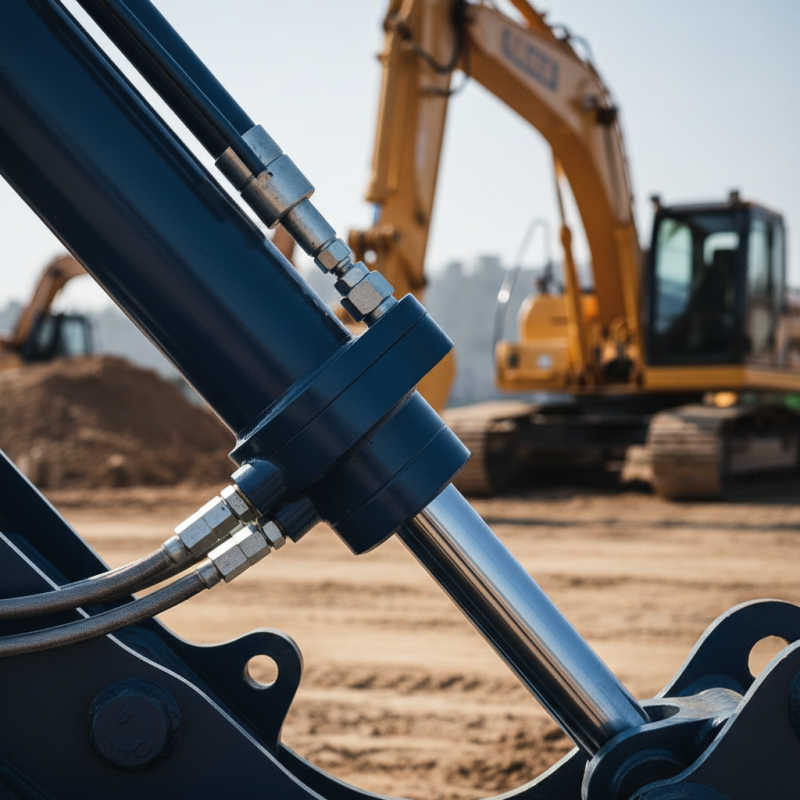
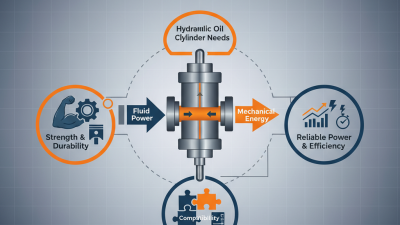
When it comes to excavators, one vital component is the hydraulic cylinder. It plays a crucial role in the machine's performance. Choosing the best hydraulic cylinder for excavator operations can greatly enhance efficiency and power. Yet, many users overlook this essential part.
Selecting the right hydraulic cylinder is not as straightforward as it seems. There are various brands, sizes, and specifications to consider. Some cylinders may not meet the demands of specific tasks. It's important to conduct thorough research before making a decision.
Understanding the nuances can save time and money in the long run. A poorly chosen hydraulic cylinder may lead to increased maintenance costs. Therefore, it’s crucial to weigh the options carefully. This guide will review top hydraulic cylinders for excavators. It will also provide valuable tips for making an informed choice.
Features to Consider When Choosing a Hydraulic Cylinder for Excavators
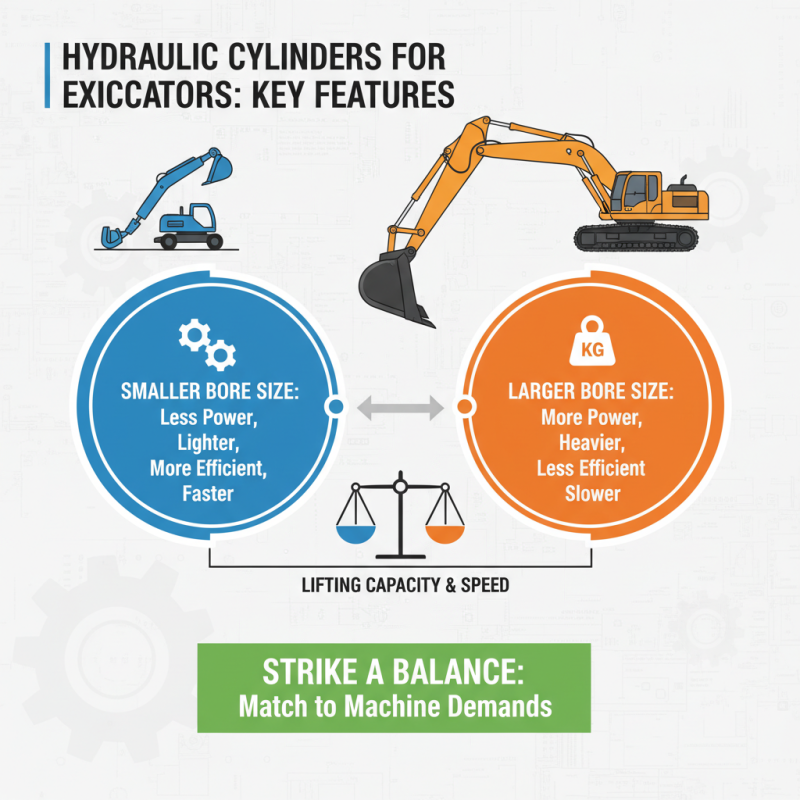
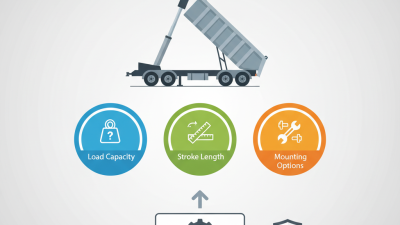
When choosing a hydraulic cylinder for excavators, several features are essential. The cylinder's bore size affects its lifting capacity and speed. Smaller bores may be less powerful but lighter and more efficient. It is crucial to strike a balance. Selecting the right bore size requires careful consideration of the machine's demands.
The piston rod's durability is equally important. Rods can suffer from wear over time, especially in harsh conditions. Look for cylinders with hardened or chrome-plated rods. This feature enhances resistance to scratches. Additionally, pay attention to seal quality. Seals prevent hydraulic fluid leaks, impacting performance. High-quality seals can extend the cylinder's lifespan significantly.
Finally, mounting options should not be overlooked. Ensure the cylinder can fit your specific excavator model. Flexibility in mounting can make a significant difference. Sometimes, compatibility issues arise, creating frustration. Investing time in research can prevent these pitfalls. It’s better to avoid rushed decisions that lead to costly mistakes.
Top Brands of Hydraulic Cylinders for Excavators Reviewed
When looking for hydraulic cylinders for excavators, choosing a top brand can greatly impact performance. Many industry reports indicate that a substantial percentage of excavator downtime is due to hydraulic failures. Reliable cylinders reduce this risk. A quality hydraulic cylinder ensures smooth operation, resulting in increased productivity.
Tip: Always check the cylinder's pressure ratings. They should match your excavator's requirements to avoid potential issues.
Many brands offer various designs and materials. Steel cylinders tend to be more durable than aluminum ones. However, weight plays a crucial role in performance. Heavy cylinders may reduce speed but provide better stability. It's a delicate balance that operators must consider.
Tip: Look for cylinders with easy maintenance features. This can save time and costs in the long run. Remember, not every brand meets high standards. Take the time to read user reviews. This reflects real-world performance and reliability.
2026 Best Hydraulic Cylinder For Excavator Reviews and Tips
| Model |
Bore Size (inch) |
Stroke Length (inch) |
Working Pressure (PSI) |
Weight (lbs) |
Material |
| Hydraulic Cylinder A |
3 |
24 |
3000 |
45 |
Steel |
| Hydraulic Cylinder B |
4 |
30 |
3200 |
65 |
Aluminum |
| Hydraulic Cylinder C |
5 |
36 |
3500 |
80 |
High-Strength Steel |
| Hydraulic Cylinder D |
6 |
40 |
4000 |
95 |
Carbon Fiber |
Comparison of Different Types of Hydraulic Cylinders for Excavators
When it comes to hydraulic cylinders for excavators, understanding the different types can greatly impact performance. There are single-acting and double-acting hydraulic cylinders, each serving distinct purposes. Single-acting cylinders extend using hydraulic pressure but rely on gravity or a spring for retraction. They are simpler but less versatile. On the other hand, double-acting cylinders allow for movement in both directions. This flexibility is beneficial for heavy-duty applications.
Consider the material of the cylinder. Steel is a common choice due to its durability. However, it can be heavy and may rust over time. Some newer models use aluminum, which is lighter and resists corrosion. Yet, they might not withstand extreme stress as well as steel. When selecting a cylinder, reflect on your usage needs.
Too often, excavator operators overlook maintenance plans. Regular checks can prevent costly repairs later on. Details like these are crucial for ensuring effective operation.
Maintenance Tips to Extend the Life of Your Excavator's Hydraulic Cylinder
Maintaining the hydraulic cylinder of your excavator is crucial. Regular care can extend its lifespan significantly. Here are some practical tips.
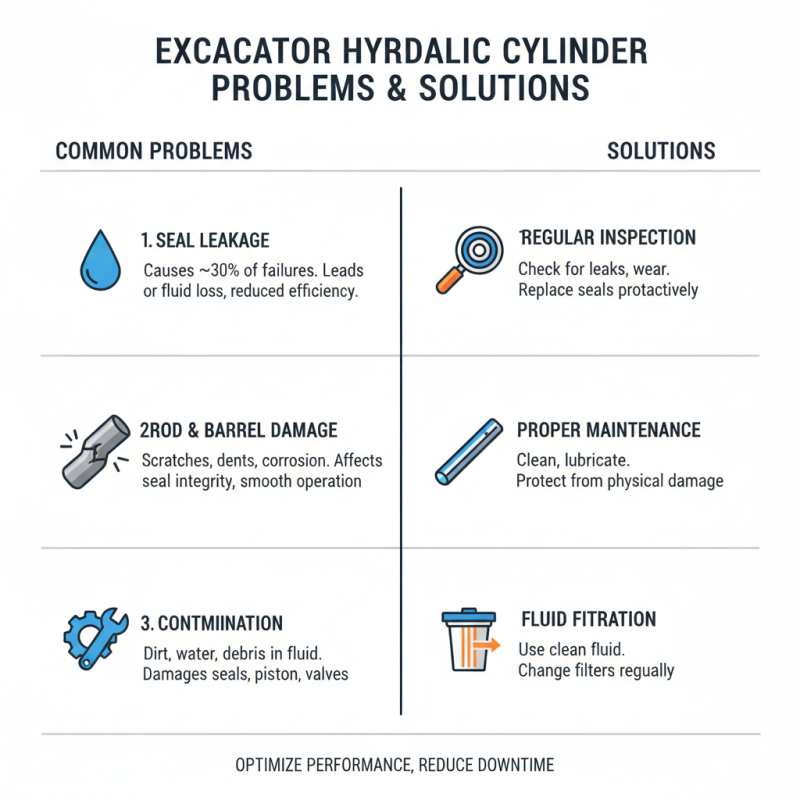
Keep the hydraulic system clean. Dirt and debris can cause severe damage. Clean the exterior of the cylinder frequently. Use a soft cloth, not harsh chemicals. Check for leaks. A leak can reduce performance. If you notice any fluid loss, address it immediately.
Inspect seals regularly. Worn or damaged seals can lead to failure. Replace seals as needed even if they seem fine. Lubrication is also vital. Use the right oil to keep everything smooth. Avoid over-lubricating, as it can attract dirt.
Remember to follow the manufacturer's guidelines. Don’t push your excavator beyond its limits. Be aware of the working environment. Extreme conditions can wear out components faster. Regular maintenance saves money in the long run. Take time to invest in your equipment’s health.
2026 Best Hydraulic Cylinder For Excavator Performance Analysis
This chart illustrates the performance of different hydraulic cylinders for excavators based on parameters such as lifting capacity (tons), operating pressure (psi), and average lifespan (years). The data showcases the importance of choosing the right hydraulic cylinder to maximize efficiency and longevity during operation.