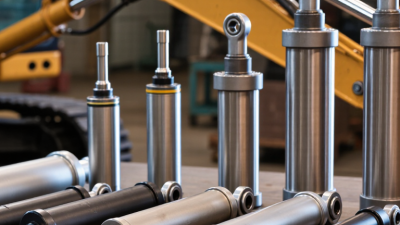
2026 How to Choose a Hydraulic Cylinder for an Excavator?
Choosing the right Hydraulic Cylinder For Excavator affects digging force, cycle speed, and uptime. A cylinder that looks correct on paper can still struggle when a loaded bucket meets compacted soil. Bore, rod diameter, stroke, mounting geometry, operating pressure, and duty cycle all matter. Small mismatches can cause slow movement, excess heat, seal wear, or costly downtime.
Industry context matters, too. Grand View Research’s hydraulic cylinder market report identifies construction equipment as a significant application area, reflecting the importance of dependable actuation in mobile machinery. Market figures describe demand, not the right cylinder for a specific excavator. Selection still depends on the machine’s service manual, measured dimensions, hydraulic circuit, and working conditions. Check these details before comparing supplier claims. A little uncertainty is normal; field measurements can expose assumptions that a catalog hides.
This guide explains how to assess cylinder type, force, stroke, pressure, materials, seals, and compatibility before purchase. It also considers repairability and the consequences of choosing solely by price. A verified, attributable quotation from a named excavator-cylinder expert was not available for this introduction, so no quotation is invented. That restraint matters: technical decisions deserve traceable evidence, not a polished line with an uncertain source.
Understand the Hydraulic Cylinder’s Role in an Excavator
2026 How to Choose a Hydraulic Cylinder for an Excavator?
Understand the Hydraulic Cylinder’s Role in an Excavator
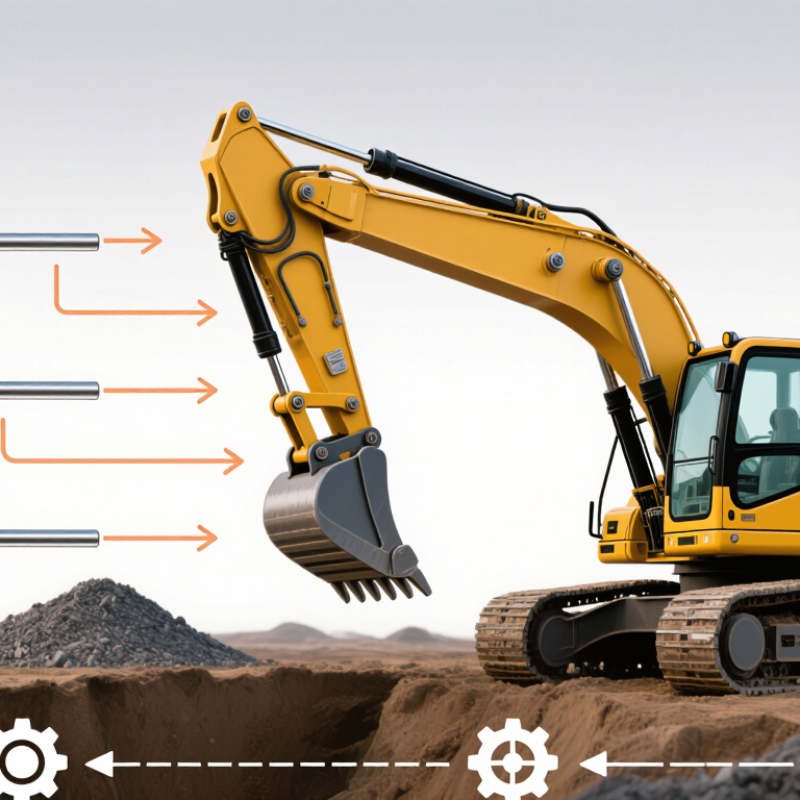
An excavator’s hydraulic cylinders turn pressurized fluid into controlled movement. They extend and retract to move the boom, arm, and bucket. That motion lets an operator lift soil, reach a trench, or curl a loaded bucket.
Each cylinder works under changing loads, impacts, and dirt. Small leaks or worn seals can reduce force and make movement uneven. A cylinder is not magic; it depends on the pump, valves, hoses, and mounting points working together.
Tips: Check the cylinder’s bore, rod diameter, stroke, and operating pressure against the machine’s specifications. Measure the pin-to-pin length with the cylinder fully retracted and extended. Look for scoring, bent rods, damaged seals, or loose connections. Don’t guess from appearance alone.
When choosing a replacement, match its function and dimensions to the excavator, not just its outer shape. A longer stroke can change the machine’s movement and clearance. A rod that is too small may struggle with side loads. These details are easy to overlook.
If the machine’s manual is unavailable, confirm measurements and pressure requirements with a qualified technician before installation. Even careful checks can miss wear elsewhere in the hydraulic system.
Identify Machine Specifications and Working Conditions
Start with the excavator’s exact model, year, and configuration; attachments can change the load path. Record the cylinder bore, rod diameter, stroke, closed length, pin diameter, and mounting width using the machine manual or careful measurements. Confirm operating pressure and available flow with service data, not a guess based on the old cylinder. Small mismatches matter. A few millimeters at a pin can cause binding or uneven wear.
Then describe the real job. Is the machine trenching in packed clay, lifting loads, or breaking rock? Note pressure spikes, daily operating hours, ambient temperature, and exposure to grit or water. These conditions affect seal choice, rod protection, and maintenance needs. Check for side loading too; worn bushings or a bent linkage can damage a correctly sized cylinder. Site notes are often incomplete, so compare them with operator feedback and maintenance records. That part is easy to overlook.
Tips: Photograph the mounting points and measure both pin centers with the attachment resting safely. Compare your measurements with machine documentation, and ask a qualified technician to confirm pressure compatibility before ordering. If a measurement looks unusual, check it again.
Match Bore, Stroke, Pressure, and Mounting Dimensions
2026 How to Choose a Hydraulic Cylinder for an Excavator?
Bore, stroke, pressure, and mounting dimensions must work together. Start with load and available system pressure, then calculate force: pressure multiplied by piston area. As a practical check, a 100 mm bore at 25 MPa produces about 196 kN of ideal extension force. Actual force is lower because of friction and pressure losses. A larger bore can add force, but it also needs more oil flow to reach the same speed. Small mismatch. Big consequences.
Use recognized dimensional references before ordering. ISO 6022:2006 specifies mounting dimensions for single-rod cylinders in the 25 MPa series; ISO 6020-2:2015 covers a 16 MPa compact series. These figures help check pressure class and fit, but they do not replace the excavator’s own drawings. Match stroke to the linkage’s full movement, allowing clearance at both ends. Then verify pin diameter, center-to-center length, port position, and rod clearance. A cylinder can match the bore and still bind if its mounting geometry is wrong. Measure the removed unit, but inspect worn pins too; their play can mislead. I would recheck the measurements before purchase. That extra check is easy to skip.
2026: How to Choose a Hydraulic Cylinder for an Excavator
Match bore, stroke, pressure, and mounting dimensions to the machine’s specifications. The chart compares theoretical cylinder extension force at a constant 210 bar (21 MPa).
How to use this chart: Force is calculated as pressure × piston area (F = P × π × bore² ÷ 4). Actual force depends on the machine’s working pressure and cylinder design. Confirm required stroke and closed/open lengths, pin diameters, mounting style, and clearance before selecting a replacement. Retracting force is lower because the rod reduces the effective piston area.
Compare Cylinder Materials, Seals, and Construction
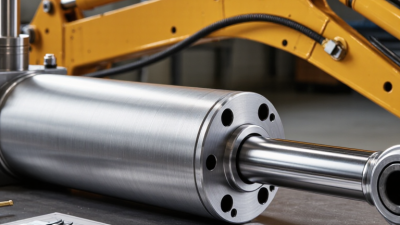
Choosing an excavator hydraulic cylinder starts with its load, stroke, mounting points, and working conditions. Compare material quality, seal design, and construction—not just bore size. A strong steel barrel must resist pressure and distortion, while a hardened, chrome-plated rod helps resist scoring and corrosion from dust or moisture.
Surface damage matters. A small nick can cut a seal and cause leakage.
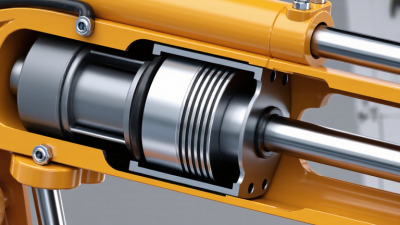
Seal choice depends on hydraulic-fluid compatibility, temperature, pressure, and contamination. Polyurethane seals often offer good abrasion resistance, while other elastomers may suit different temperature ranges. Check the specifications against the machine’s hydraulic oil. Wipers matter, too. They keep grit from entering as the rod retracts.
No seal lasts forever. Welded cylinders are common in excavators because their compact bodies suit heavy-duty mounting; tie-rod designs may be easier to service in some applications. For either type, inspect welds or fasteners, rod alignment, and the gland area for leaks. A sound cylinder can still wear early if pins bind or mounts sit out of alignment.
Confirm pressure rating, stroke, port position, and pin dimensions using the machine’s service data. Catalog descriptions can be vague; measured fit is more dependable.