2026 Best Hydraulic Oil Cylinder for Global Buyers?
Choosing the 2026 best Hydraulic Oil Cylinder requires more than comparing prices or polished product photos. Global buyers need a cylinder that matches pressure, stroke, mounting space, duty cycle, and the working environment. A compact excavator faces different loads from a steel press or agricultural machine. Real selection starts with measurable requirements. Record operating pressure, peak pressure, piston speed, bore diameter, rod diameter, and retracted length. Check the oil type and temperature range. Small details matter. A mismatched seal can cause leakage, sluggish movement, or early downtime. Fit matters. This guide examines practical criteria used by engineers, maintenance teams, and experienced procurement professionals. It also considers documentation, supplier consistency, and after-sales support across regions.
Reliable evaluation should include material quality, surface finish, welding control, tested seals, and corrosion protection. Ask for pressure-test records, dimensional drawings, batch traceability, and clear warranty terms. Supplier claims are useful, but independently checking critical data is wiser. Claims need checking. Confirm compatibility with the complete hydraulic circuit, including valves, hoses, filtration, and relief settings. Do not treat “best” as universal. A cylinder optimized for high-cycle factory work may be unsuitable for dusty construction sites. Shipping conditions, spare-seal availability, and local technical service can also change the practical choice. Some buyers overlook return filtration. That mistake can be expensive. This review cannot predict every installation, because field conditions differ and published ratings require careful interpretation. Still, it provides a transparent framework for comparing manufacturers and models in 2026. The goal is dependable performance, safer maintenance, and a purchase decision supported by evidence rather than advertising.
Hydraulic Oil Cylinders Explained: ISO 6020/2 and ISO 6022 Standards
2026 Best Hydraulic Oil Cylinder for Global Buyers?
Hydraulic oil cylinders are not chosen by pressure alone.
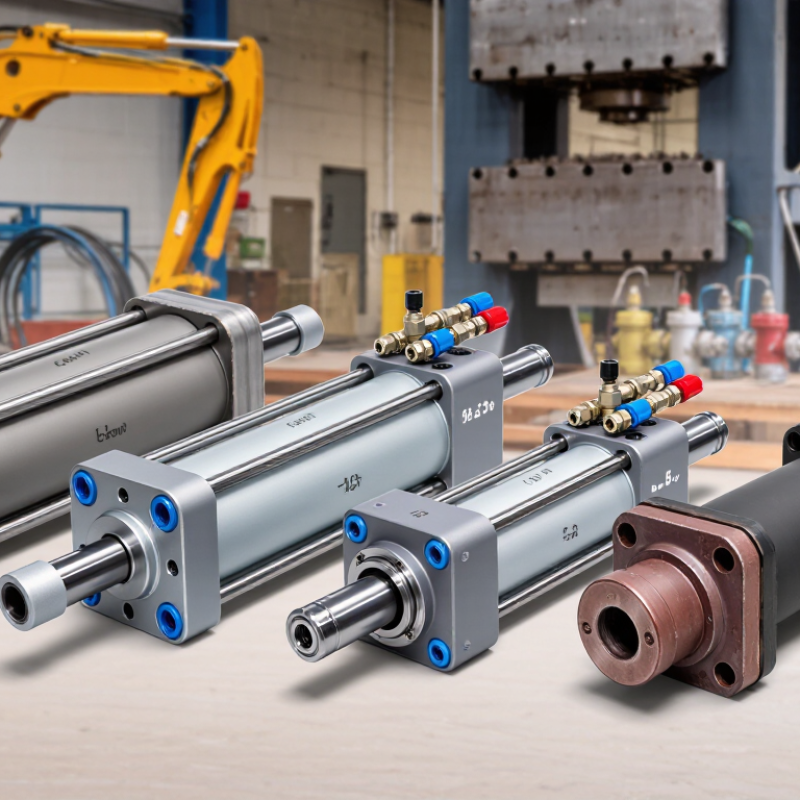
ISO 6020/2 generally covers compact cylinders rated around 160 bar, while ISO 6022 commonly supports applications near 250 bar. These standards define key dimensions, mounting details, and performance expectations. They do not automatically guarantee suitability for every machine. A cylinder with a 100 mm bore may still fail early if side loading, contamination, or poor alignment is ignored.
Check the details carefully.
Measure bore, rod diameter, stroke, closed length, and mounting style before ordering. A factory floor can reveal problems that drawings hide. Rod scoring, uneven paint wear, or slow retraction often indicates alignment trouble. Seal materials must match the hydraulic oil, operating temperature, and duty cycle. Clean oil matters too. Tiny particles can damage seals and valves within weeks. I have seen buyers focus on rated pressure, then overlook return-line pressure and cushioning needs.
Documentation builds confidence across borders.
Request dimensional drawings, material information, pressure test records, and clear tolerance data. Confirm whether the stated pressure is working pressure or only a test value. That difference matters. ISO compliance should be verified against the actual model, not assumed from a sales description. A thoughtful selection also considers spare seals, maintenance access, transport protection, and local service capability. One detail is easy to miss: real machines rarely operate under perfectly centered loads. Recheck that assumption before approval.
2026 Pressure Benchmarks: 160-Bar Medium-Duty and 250-Bar Heavy-Duty Designs
For global buyers, 160-bar and 250-bar hydraulic cylinders serve different duty realities. A 160-bar cylinder suits medium-duty handling, agricultural implements, and controlled industrial positioning. A 250-bar design fits heavier construction, mining, and repeated shock loading. Pressure is not the whole story.
A 100-millimeter bore produces about 126 kilonewtons at 160 bar. At 250 bar, the theoretical output reaches roughly 196 kilonewtons. Actual force falls after seal friction, leakage, and hydraulic losses.
ISO 6020/2 covers medium-pressure cylinders, while ISO 6022 addresses heavier-duty designs. Buyers should also verify ISO 4413 requirements for hydraulic safety, hose routing, and pressure control.
The 2024 hydraulic equipment market analysis from Grand View Research identifies mobile machinery as a major demand segment. That trend supports stronger cylinder demand, but it does not justify choosing the highest pressure automatically. Higher pressure can reduce package size. It can also increase sealing stress, heat generation, and maintenance sensitivity. A neat spreadsheet can still mislead.
In field inspections, I would check rod buckling, side-load exposure, mounting alignment, and oil cleanliness before comparing quotations.
A 250-bar rating may describe maximum working pressure, not continuous operation. Ask for fatigue data, test conditions, surface treatment details, and replacement-seal availability.
The honest decision may be a 160-bar cylinder with better alignment, not a larger rating.
Cylinder Selection Fundamentals: Bore, Stroke, Rod Diameter, and Seal Materials
In 2026, global buyers need more than a strong-looking hydraulic oil cylinder. Correct sizing starts with bore and stroke. Bore controls pushing force, while stroke defines working travel. A larger bore may increase force, but it can also slow movement and consume more oil. In field service, I measure the actual load, cycle time, and available installation space before selecting a cylinder. Oversizing wastes energy.
Stroke should match the machine’s real movement, including any safety margin. Too little stroke causes incomplete operation. Too much stroke may increase bending risk and cost. Rod diameter deserves equal attention. A long rod under compression can buckle, especially with side loads or poor alignment. I check mounting style, unsupported length, load direction, and operating pressure. A past selection looked correct on paper, yet misalignment damaged the rod surface. That mistake still influences my inspection process.
Seal materials must suit the oil, temperature, pressure, and movement speed. Common options may perform differently with mineral oil, water-based fluids, or biodegradable fluids. Temperature changes are easy to underestimate. Cold seals can become stiff, while excessive heat can accelerate wear. I request material compatibility data and verify it against the working fluid and local technical requirements. Contaminated oil also shortens seal life, even when the cylinder is correctly sized. Field conditions are rarely perfect, so filtration, wiper design, and replacement access deserve practical review.
Global Buyer Checklist: CE, RoHS, ISO 9001, Testing, Warranty, and Delivery
2026 Best Hydraulic Oil Cylinder for Global Buyers?
A reliable hydraulic oil cylinder starts with evidence, not a polished catalog image. Ask for pressure-test records, leakage results, endurance cycles, dimensional reports, and material traceability. The ISO Survey 2022 recorded 1,265,216 ISO 9001 certificates worldwide. Therefore, request the current certificate, site scope, and issuing body. An expired certificate proves little.
CE marking is a manufacturer’s declaration of conformity, not a universal quality certificate, according to the European Commission. RoHS may apply to electrical parts, sensors, or control assemblies, but not every hydraulic cylinder. Confirm the product’s legal scope before requesting documents. Delivery terms also deserve attention. Check production lead time, export packaging, spare seals, inspection photos, and the agreed Incoterm. A missing seal kit can stop a machine faster than a delayed cylinder.
Tips: Require a signed inspection plan before production. Specify oil type, operating temperature, rod coating, mounting dimensions, and maximum working pressure. Ask for serial-number traceability and a warranty covering leakage, premature wear, and manufacturing defects. Compare warranty exclusions carefully. I have seen buyers accept a long warranty with narrow conditions. That is not real protection. Independent pre-shipment inspection adds cost, but it can expose incorrect ports, scratched rods, or weak packaging before departure. Perfect documentation is rare. Clear, verifiable documentation is enough.