What Is an Underbody Telescopic Cylinder?
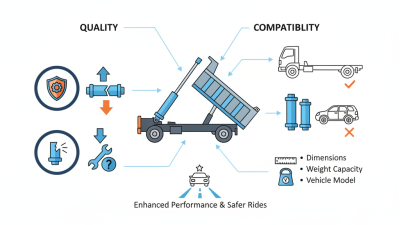
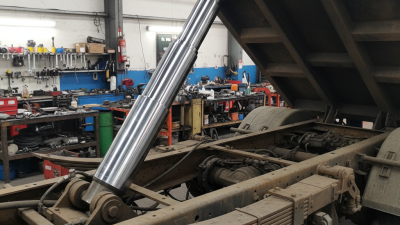
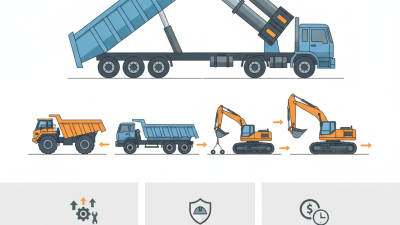
Telescopic Cylinders Underbody are compact hydraulic lifting systems installed beneath dump truck bodies. Their nested stages extend in sequence, creating a long stroke from a relatively short retracted length. This design allows a tipping body to rise where chassis space is limited. In practice, the cylinder must manage high loads, side forces, vibration, contamination, and repeated impact. It is not simply a larger hydraulic ram.
Market evidence shows why this component deserves careful attention. Grand View Research reports that the global hydraulic cylinders market was valued at approximately USD 14.6 billion in 2023. MarketsandMarkets also identifies construction and material-handling equipment as major demand areas. However, these reports usually combine several cylinder types. They do not isolate underbody telescopic units. That limitation matters when comparing suppliers, capacities, or expected service life.
Peter Nachtwey, a recognized hydraulic motion-control specialist, describes the engineering principle clearly: “Hydraulics is power, motion, and control.” His observation applies directly to underbody lifting systems. Pressure creates force, geometry controls movement, and valve timing affects stability. A five-stage cylinder may look efficient, yet every additional stage introduces seals, guides, friction, and possible leakage points. Small details matter.
Field experience often reveals more than a catalogue. Bent stages, uneven tipping, and slow extension can indicate poor alignment or contaminated oil. I may be oversimplifying the issue. Not every failure begins inside the cylinder. Installation, lubrication, load distribution, and maintenance records can be equally important. This article explains how Telescopic Cylinders Underbody work, where they are used, and how buyers can evaluate performance with greater confidence.
What an Underbody Telescopic Cylinder Is: Definition and 2–5-Stage Design
What Is an Underbody Telescopic Cylinder?
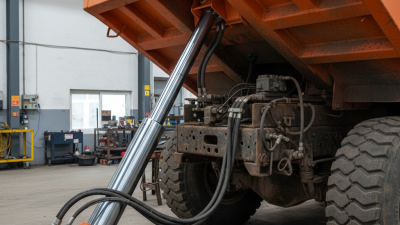
An underbody telescopic cylinder is a hydraulic lifting actuator installed beneath a dump body, trailer, or tipping platform. It converts pressurized fluid into vertical movement. The cylinder pushes against the body while its nested sections extend in sequence. This arrangement creates a long stroke without requiring a long retracted cylinder.
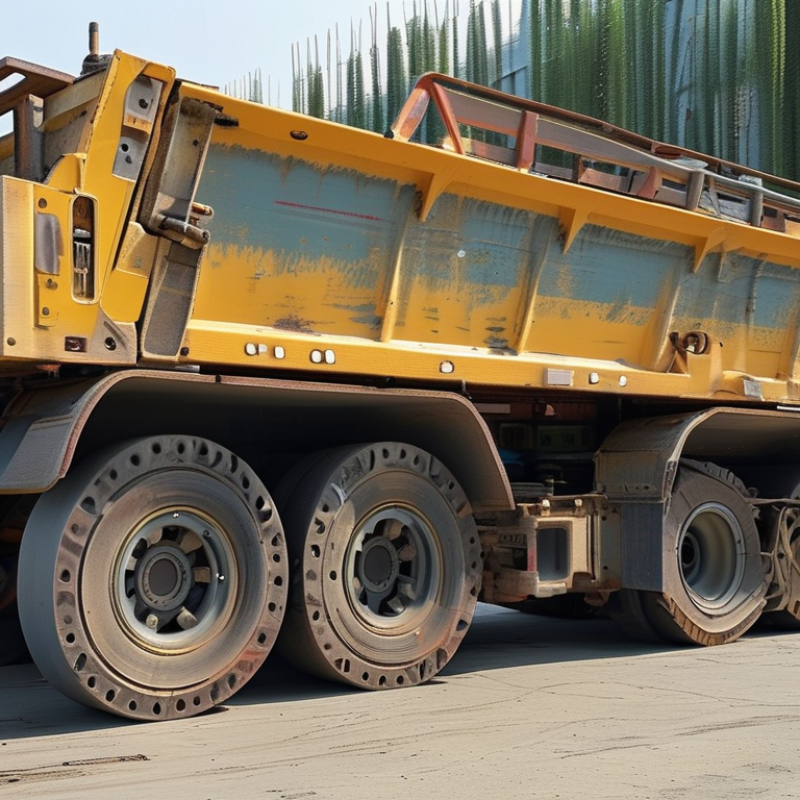
A 2–5-stage design describes the number of telescoping sections. A two-stage cylinder usually offers a shorter stroke and a stronger, simpler structure. A five-stage cylinder fits tighter chassis spaces but introduces more seals, sliding surfaces, and alignment demands. The first stage normally carries the largest diameter and highest force. Smaller stages follow as the lift rises. It looks simple. It is not.
During inspection, technicians should examine pin alignment, mounting clearance, oil contamination, and uneven stage extension. ISO 4406 cleanliness guidance remains relevant because dirty hydraulic oil can damage seals and valves. The Business Research Company’s Hydraulic Cylinders Global Market Report 2024 placed the global hydraulic cylinder market at about 14.6 billion dollars in 2023. Grand View Research also projects continued market growth through 2030, driven partly by construction and material-handling equipment. These figures cover hydraulic cylinders broadly, not underbody units alone.
Stage count should never decide selection by itself.
Body weight, tipping angle, pressure, stroke length, and duty cycle matter more. A compact five-stage design may save space, yet require stricter maintenance. Real installations are rarely perfect. Slight frame flex can change everything.
How Nested Stages Extend: Hydraulic Flow and 250–350 bar Working Pressure
What Is an Underbody Telescopic Cylinder?
An underbody telescopic cylinder is a compact hydraulic actuator fitted beneath a vehicle body or lifting platform. It uses several nested stages, called sleeves, to produce a long stroke from a short retracted length. This arrangement suits dump bodies, compact lifting systems, and equipment with limited mounting space.
Hydraulic oil enters the cylinder through a controlled port. Pressure pushes the largest stage outward first, then moves smaller stages through internal passages. Each stage has a different effective area, so extension speed and lifting force change during the stroke. In many heavy-duty systems, the working pressure ranges from 250 to 350 bar, equal to 25–35 MPa. The exact rating depends on tube strength, seals, weld quality, and safety margins.
Retraction usually relies on gravity, external load, or hydraulic return flow. Flow-control valves help prevent sudden movement, especially when the load shifts. Clean oil matters. A small particle can damage a seal and create an uneven stroke. I have also seen pressure readings look acceptable while poor alignment caused premature wear. That detail is easy to miss.
Operators should confirm the rated pressure, load direction, mounting angle, and stage overlap before service. Never judge capacity from pressure alone. Cylinder diameter, stroke sequence, oil temperature, and side loading also affect performance. Hydraulic systems can appear simple. They are not.
What Is an Underbody Telescopic Cylinder?
How Nested Stages Extend: Hydraulic Flow and 250–350 bar Working Pressure
An underbody telescopic cylinder uses several nested piston stages to produce a long stroke from a compact retracted length. Hydraulic fluid enters the cylinder, and pressure acts on the available piston area to extend the stages sequentially. The chart shows a reference working-pressure envelope from 250 to 350 bar, a range commonly used for heavy-duty hydraulic equipment. Actual pressure, flow rate, extension sequence, and load capacity depend on cylinder geometry, valve control, oil viscosity, and system design.
Key Specifications: Bore, Rod Diameter, 1–3 m Stroke, and Lift Capacity
What Is an Underbody Telescopic Cylinder?
An underbody telescopic cylinder lifts a truck body by extending several hydraulic stages. Its compact length fits beneath the chassis, while its extended length creates useful tipping height.
The main specifications deserve careful attention: bore, rod diameter, stroke, and lift capacity.
The bore controls hydraulic force. A larger bore usually produces greater lifting power at the same pressure. However, it may also increase weight and oil demand.
Rod diameter affects stability, bending resistance, and wear. A stronger rod is helpful under uneven loading, but excessive size can reduce available space.
Stroke commonly ranges from 1 to 3 meters. A 1-meter stroke suits moderate tipping angles, while a 3-meter stroke supports taller bodies and steeper discharge. Still, longer is not automatically better. Chassis geometry decides the real result.
Tips:
Measure the closed length, mounting angle, and body pivot before selecting a cylinder. Confirm rated lift capacity at the actual pressure, not only the advertised peak. Leave a practical safety margin for frozen material, shifting loads, and uneven ground. Inspect pins, seals, and hydraulic lines regularly. Small leaks matter. Field experience shows that many failures begin with misalignment, not weak steel. I would also recheck calculations after modifying the body, because a small weight increase can change the load dramatically. Surface conditions remain easy to underestimate.
Where It Works: Dump Bodies, Tipping Trailers, and Loads up to 40 t
What Is an Underbody Telescopic Cylinder?
Where It Works: Dump Bodies, Tipping Trailers, and Loads up to 40 t
An underbody telescopic cylinder is a multi-stage hydraulic actuator mounted beneath a dump body or trailer. Its nested sections extend in sequence, creating long lifting travel from a compact installation space. This design suits vehicles that must raise their bodies without adding excessive height or obstructing the cargo area.
In dump bodies, the cylinder pushes the front of the body upward while the rear hinges remain fixed. Material then slides toward the open tailgate. Tipping trailers use the same principle, but their working conditions can vary sharply.
A dry gravel load behaves differently from wet soil or compacted waste. Operators should check the load distribution before lifting. A 40 t capacity is possible in heavy-duty systems, but it depends on cylinder rating, hydraulic pressure, frame strength, hinge design, and axle limits.
Field experience shows that smooth extension matters more than impressive specifications alone. Uneven ground, cold oil, and side loading can increase stress on each stage. Regular inspections should examine seals, mounting points, hoses, and visible scoring on the barrel. Keep the body stable during maintenance. Never rely on hydraulic pressure alone.
Real work is rarely perfect. Loads shift. Dirt enters small gaps. A cylinder may still function while its wear is already developing. Measuring extension speed and checking unusual noise can reveal problems early, although these checks are not a substitute for qualified service.