Top 10 Hydraulic Cylinders for Excavators You Need to Know?
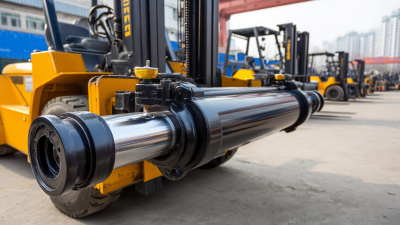
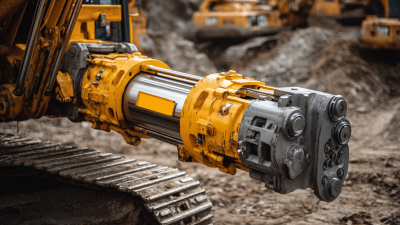
In the world of construction machinery, the hydraulic cylinder for excavators plays a crucial role. These cylinders provide the necessary force for lifting, digging, and moving heavy materials. As Mike Johnston, a hydraulic systems expert, once stated, "Without a reliable hydraulic cylinder, excavation efficiency drops significantly." This emphasizes the importance of high-quality hydraulic cylinders in excavators.
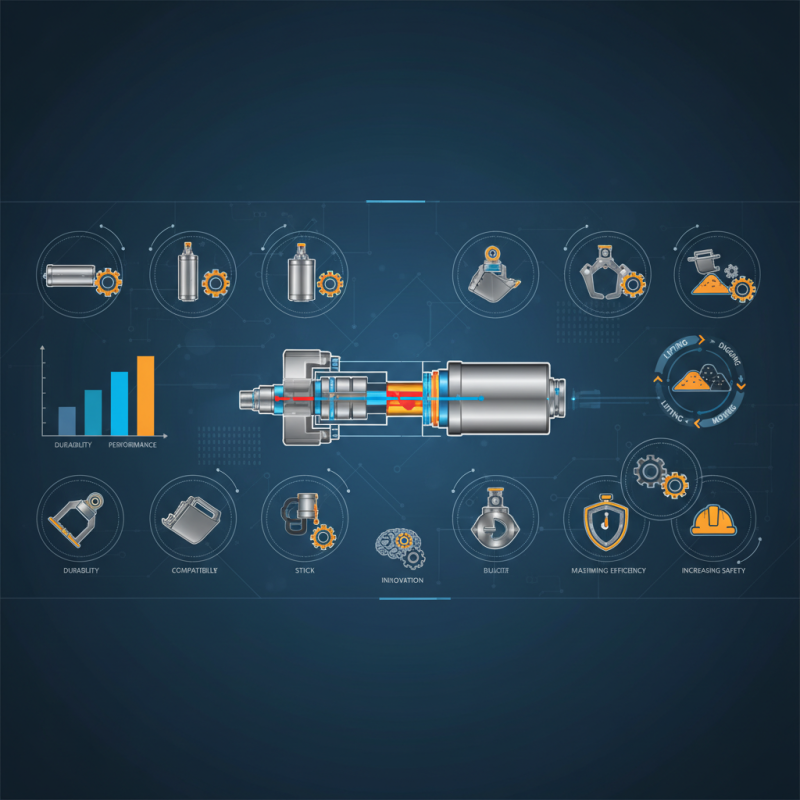
Choosing the right hydraulic cylinder for your excavator is essential. The market offers various options, each designed for specific tasks. However, not all hydraulic cylinders are created equal. Some may not withstand rough conditions or heavy usage. It is vital to consider factors like durability, compatibility, and performance when selecting a cylinder.
Understanding hydraulic cylinders can be overwhelming. The key is to focus on quality and reliability. Investing in top-rated hydraulic cylinders ensures smooth operations. As technology evolves, the need for innovation in hydraulic systems becomes clear. It’s not just about functionality; it's about maximizing efficiency and safety.
Overview of Hydraulic Cylinders in Excavators
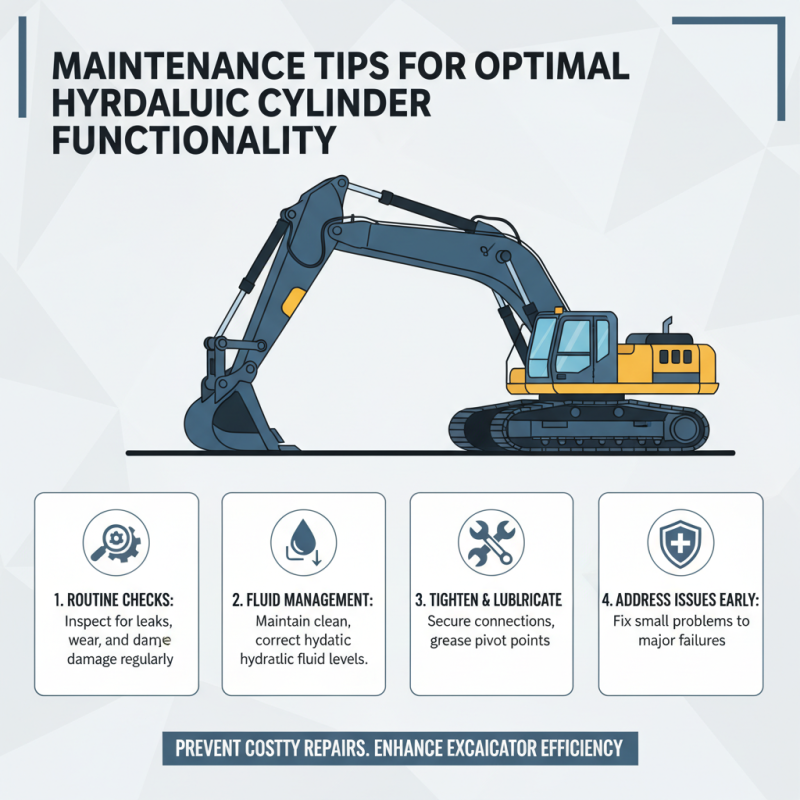
Hydraulic cylinders play a crucial role in excavators. They convert hydraulic energy into mechanical force, allowing for powerful movements. These components are essential for tasks like lifting, digging, and tilting. If these cylinders fail, the entire operation can be compromised. Maintenance is key, but it is often overlooked. Regular inspections can prevent costly breakdowns.
Different designs cater to various excavator models. Some are double-acting, offering greater control. Others may be simpler, suited for specific functions. The choice of hydraulic cylinder affects efficiency. Operators must understand their equipment to maximize performance. Yet, many operators lack this knowledge, leading to inefficiencies.
Hydraulic cylinders can wear down over time. Factors like load, temperature, and pressure impact their longevity. Ignoring these factors can result in leaks or complete failures. Operators should document usage and monitor performance regularly. Improving awareness can lead to better maintenance practices. Though it’s not perfect, being proactive is better than being reactive.
Top 10 Hydraulic Cylinders for Excavators
This bar chart displays the average pulling force (in tons) of the top 10 hydraulic cylinders used in excavators. The data highlights the capabilities of different hydraulic cylinders, essential for efficient excavation operations.
Key Features to Consider When Selecting Hydraulic Cylinders
When selecting hydraulic cylinders for excavators, several key features deserve attention. First, consider the cylinder's bore size. A larger bore can deliver more power, but it may also add weight and bulk. Balance is crucial. The stroke length is equally important. It affects the reach and versatility of the excavator. A longer stroke can allow for deeper digging, but it can also compromise stability.
Material quality plays a significant role in durability. Many cylinders are made from steel, but less robust materials might save weight. However, they can reduce longevity. Seal design is another aspect to think about. Good seals prevent leakage and maintain efficient operation. Poorly designed seals may lead to failures and costly repairs. The mounting type is essential too. Ensure the cylinder can be mounted securely on your specific excavator model.
Don’t overlook the hydraulic pressure ratings. A cylinder rated for high pressure can increase performance but may require more maintenance. Also, consider where you'll use the excavator. Harsh environments demand robust designs. Features like corrosion resistance can be vital. Assessing your specific needs will lead to better decisions. Evaluating all these factors can prevent future issues and enhance efficiency.
Top 10 Hydraulic Cylinder Brands for Excavators
When looking for hydraulic cylinders, choosing the right brand matters greatly. Quality can affect performance. Certain brands stand out based on durability and efficiency. These brands often innovate, creating cylinders that withstand heavy use. Advanced materials are frequently used for enhanced strength.
Reliability is another crucial factor. Some brands are known for their consistent performance in various conditions. Field tests show that well-designed cylinders improve safety and effectiveness. However, not every product is perfect. Sometimes, even reputable brands may have issues with compatibility or performance under extreme conditions. It’s essential to research and read reviews before selection.
Maintenance also plays a vital role. Some brands may require more regular checks than others. Understanding your equipment's needs is critical. This can help you identify the right fit for your excavator. Engaging with user communities can provide insights into real-world experiences. Always keep in mind the specific tasks your excavator will perform and let that guide your choices on hydraulic cylinders.
Comparative Analysis of Hydraulic Cylinder Performance
Hydraulic cylinders are crucial for excavators. Their performance directly impacts operational efficiency and productivity. In a comparative analysis, key aspects include stroke length, force output, and speed. Stroke length determines how far the cylinder can extend. A longer stroke may offer better reach, but can also lead to mechanical failures if not designed properly.
Force output is vital for heavy-duty tasks. Higher force allows for lifting and moving larger loads. However, cylinders that exert too much force may wear out quickly. Speed is another important factor. Faster operation can improve productivity but risks compromising control and precision. Balancing these aspects is crucial for optimal performance.
Overall, understanding these performance metrics helps make informed choices. It is essential to reflect on the potential trade-offs involved. A well-designed hydraulic cylinder enhances performance but requires regular maintenance. Depending on the specific job, different cylinders might offer varying advantages. Each choice comes with its own set of challenges and benefits.