Top 10 Excavator Hydraulic Cylinder Options for Global Buyers?
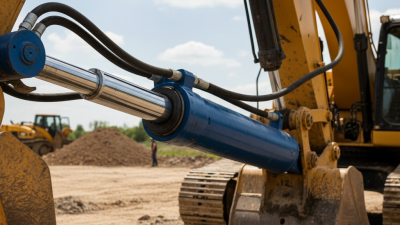
In the world of heavy machinery, the efficiency of an excavator heavily relies on its hydraulic system. The "Excavator Hydraulic Cylinder" serves as a critical component, facilitating powerful movements and precise actions. Renowned industry expert Mark Sanford emphasizes, “The reliability of an excavator lies in its hydraulic components.” This assertion rings true as the demand for durable and efficient hydraulic cylinders continues to grow globally.
As buyers confront a myriad of options, understanding the nuances of various excavator hydraulic cylinders becomes paramount. Each cylinder is designed with different specifications to suit diverse operational needs. Buyers should consider compatibility with their machines, application conditions, and maintenance requirements while exploring their options. With so many manufacturers in the market, it’s essential to distinguish between reliable and subpar products.
Evaluating performance metrics and user feedback both play vital roles in decision-making. Some options may offer advanced features, yet lead to higher maintenance costs. Others might appear basic, but provide exceptional longevity. Choosing the right excavator hydraulic cylinder is more than a purchase; it’s an investment in productivity and reliability. Hence, thorough research and expert advice are crucial to making informed choices.
Overview of Excavator Hydraulic Cylinders and Their Importance
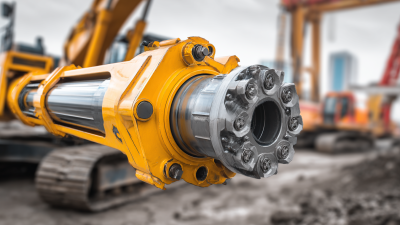
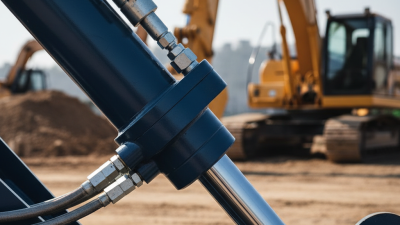
Excavator hydraulic cylinders are essential for the machinery's operation. These components convert hydraulic energy into mechanical force, allowing for smooth movement and lifting capabilities. Understanding their function helps in selecting the right cylinder. A mismatch can lead to inefficiencies or even equipment failure.
The importance of hydraulic cylinders cannot be overstated. They enable precise control during digging, lifting, and positioning tasks. Each cylinder must withstand heavy loads and harsh working conditions. This durability is crucial in construction and excavation settings. However, not all cylinders are created equal. Variations in materials and design impact performance and longevity.
Many buyers struggle to navigate the options available. Some may overlook maintenance requirements. Regular checks can prevent costly downtime. Others may focus solely on price, ignoring quality factors. Evaluating an excavator hydraulic cylinder requires time and thought. Buyers should consider specifications relevant to their unique needs, ensuring reliability and safety in their operations.
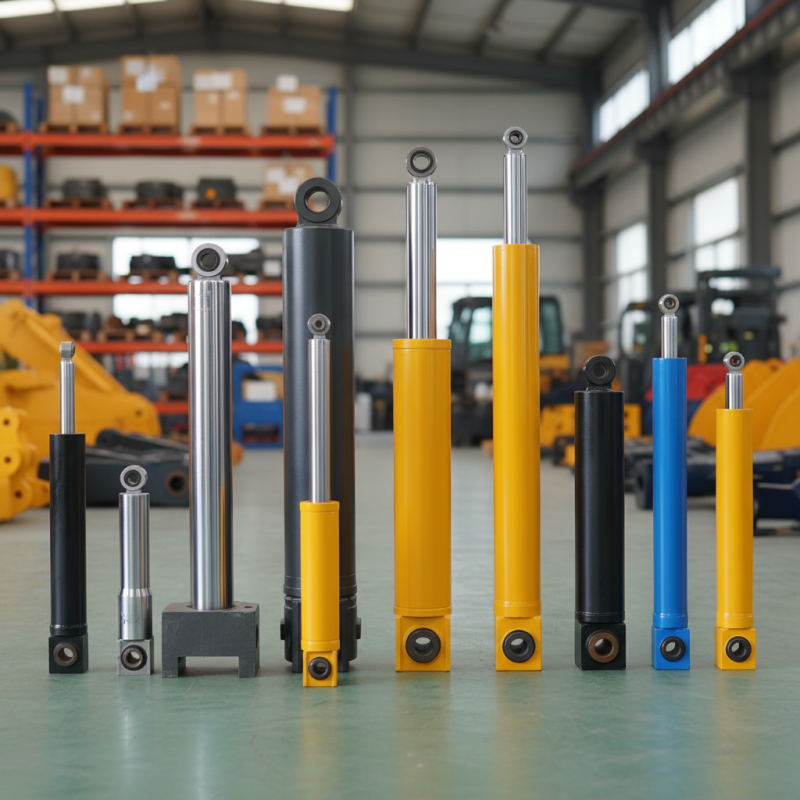
Top 10 Excavator Hydraulic Cylinder Options for Global Buyers
This chart displays the performance ratings of the top 10 excavator hydraulic cylinder models available for global buyers. Each bar represents a different model and their corresponding performance rating, offering a comprehensive overview of their effectiveness in various applications.
Key Features to Consider When Choosing Hydraulic Cylinders
When selecting hydraulic cylinders for excavators, key features are vital to ensuring optimal performance. Performance metrics are essential, including stroke length, diameter, and pressure capacity. According to industry reports, the average pressure rating for hydraulic cylinders in excavators can reach up to 3000 PSI, which influences efficiency. Understanding the load capacity that matches your specific use case can prevent potential failures and enhance safety.
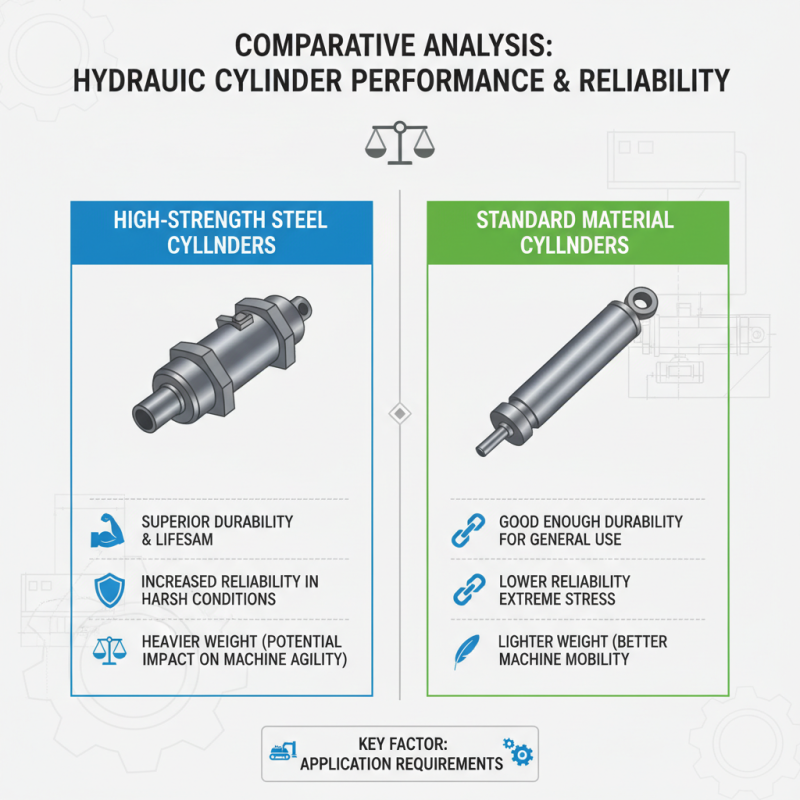
Material selection is another crucial factor. High-strength alloys can withstand extreme conditions. A report from the International Hydraulic Association indicated that nearly 30% of hydraulic failures occur due to inappropriate material use. Ensuring compatibility with the working environment is vital. For instance, cylinders exposed to corrosive materials should have appropriate coatings.
Tips: Always verify the seals and rod coatings for durability. Check for certifications that reflect the cylinder's reliability. A small investment in quality can save on future repairs. Regular maintenance schedules can also enhance the lifespan of hydraulic cylinders, as minor repairs may prevent major failures. Keep an eye on performance metrics regularly to ensure optimal efficiency.
Top 10 Hydraulic Cylinder Brands for Excavators Worldwide
When selecting hydraulic cylinders for excavators, choosing a reputable brand is critical for ensuring durability and performance. Industry reports show that over 70% of maintenance issues stem from subpar hydraulic components. The top brands are recognized for their advanced sealing technology, wear resistance, and precision manufacturing. These factors help reduce downtime and extend equipment lifespan, which is vital for construction projects.
Expertise in hydraulic engineering is essential when evaluating options. Reliable brands use high-quality materials that withstand extreme pressures and temperature fluctuations. When considering a hydraulic cylinder, look for certifications and industry standards compliance. This can significantly influence operational safety and efficiency.
Tips: Always verify the supplier’s quality control processes. Ask for detailed product specifications and testing procedures. Remember, cheaper options may save money upfront but can lead to costly repairs later. Building a relationship with a trusted manufacturer ensures timely support and genuine parts. As the construction industry evolves, staying informed about the latest hydraulic innovations is wise—staying static can lead to obsolescence.
Maintenance Tips for Maximizing Hydraulic Cylinder Lifespan
Hydraulic cylinders are crucial for the performance of excavators. Proper maintenance can significantly extend their lifespan. Regular maintenance ensures not only the efficiency of your machine but also helps prevent costly repairs down the line.
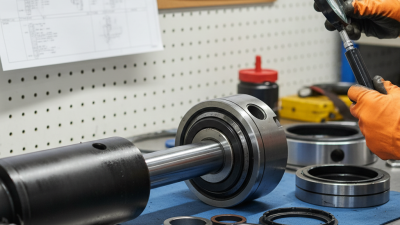
To maximize the lifespan of hydraulic cylinders, always check for leaks. Even small leaks can indicate wear and lead to bigger issues. Inspect the seals and fittings frequently to identify any potential problems early. This proactive approach can save time and money. Keep the cylinders clean from dirt and debris. Contaminants can cause internal damage, undermining the cylinder’s effectiveness.
It's important to understand the operational limits of your excavator. Overloading can strain hydraulic components and shorten their lifespan. Be mindful of the weight and force applied during operation. Scheduled oil changes are also vital. Hydraulic fluid should be clean and at the right levels. Dirty fluid can lead to premature wear. Always prioritize these maintenance tips for a smoother operation.
Top 10 Excavator Hydraulic Cylinder Options for Global Buyers
| Model |
Bore Size (mm) |
Stroke Length (mm) |
Suitable for (Excavator Weight) |
Maintenance Tips |
| Model A |
100 |
800 |
5-10 tons |
Regularly check seals and replace hydraulic fluid. |
| Model B |
120 |
900 |
8-12 tons |
Ensure proper alignment during installation. |
| Model C |
150 |
1000 |
10-15 tons |
Monitor for leaks and clean regularly. |
| Model D |
170 |
1100 |
12-18 tons |
Replace worn-out seals to prevent failure. |
| Model E |
200 |
1200 |
15-20 tons |
Check and maintain hydraulic fluid levels. |
| Model F |
220 |
1300 |
18-25 tons |
Inspect for damage after heavy use. |
| Model G |
250 |
1400 |
20-30 tons |
Bleed air from the lines when necessary. |
| Model H |
300 |
1500 |
25-35 tons |
Inspect for cracks and corrosion regularly. |
| Model I |
350 |
1600 |
30-40 tons |
Lubricate pivot points to reduce friction. |
| Model J |
400 |
1800 |
35-45 tons |
Check hydraulic fittings for tightness. |