Essential Tips for Choosing Telescopic Cylinders Underbody for Optimal Performance
In the ever-evolving landscape of construction and heavy machinery, the role of Telescopic Cylinders Underbody cannot be overstated. These sophisticated hydraulic components are integral to enhancing the efficiency and performance of various equipment, from dump trucks to mobile cranes. According to a recent industry report by Research and Markets, the global hydraulic cylinder market is projected to reach $26 billion by 2026, with a significant portion attributed to the demand for innovative telescopic designs. This growth underscores the necessity of selecting the right telescopic cylinders that can withstand rigorous operational environments while providing optimal load handling capabilities.
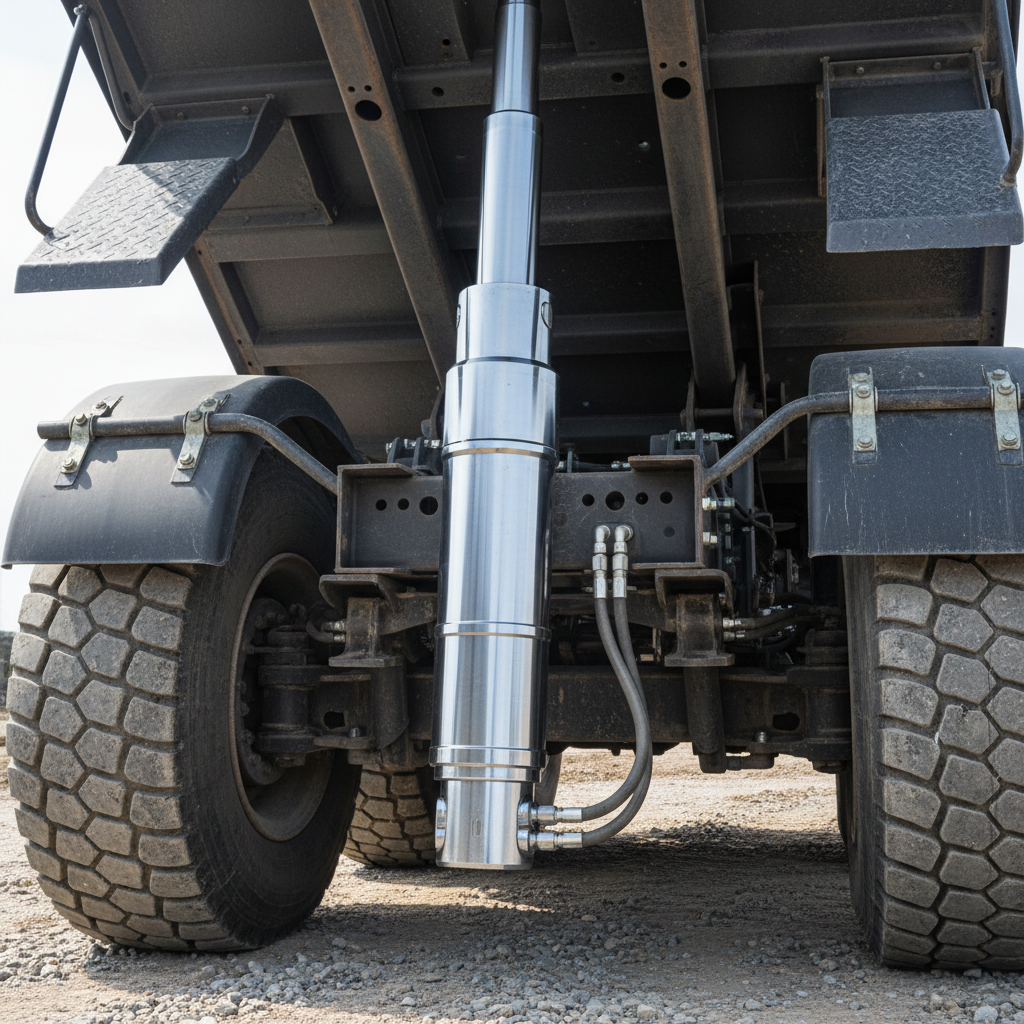
Choosing the right Telescopic Cylinders Underbody involves careful consideration of several factors, including load capacity, stroke length, and operational environment. As noted by the International Journal of Fluid Power, the efficiency of hydraulic systems relies heavily on the quality and design of the components used, making it essential for engineers and decision-makers to stay informed about the latest advancements in cylinder technology. With the industry moving towards increased automation and enhanced safety standards, understanding the specifications and operational implications of these cylinders is crucial for achieving superior performance and reliability in heavy equipment applications.
Understanding Telescopic Cylinder Types for Underbody Applications
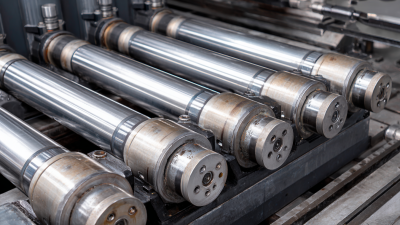
When selecting telescopic cylinders for underbody applications, it is crucial to understand the different types available and their specific functionalities. Telescopic cylinders, with their ability to extend and retract through multiple stages, are ideal for applications requiring significant stroke lengths in confined spaces. Common types include single-acting, which relies on external forces for retraction, and double-acting cylinders, which can utilize hydraulic pressure in both directions, offering more control and efficiency in operation.
Furthermore, considering the material and design of the telescopic cylinder is essential for optimal performance. Options include standard steel models for heavy-duty tasks and lightweight aluminum cylinders for applications where weight reduction is critical. Each type serves distinct purposes, such as construction equipment, agricultural machinery, or transportation vehicles. By comprehensively understanding the specific needs of your application and the characteristics of each cylinder type, you can make a more informed choice that enhances functionality and durability in your underbody systems.
Telescopic Cylinders Performance Comparison
This chart illustrates the performance metrics of different types of telescopic cylinders used in underbody applications. The data showcases the load capacity, extension length, and retraction speed for the most common types.
Key Performance Factors to Consider in Telescopic Cylinders
When choosing telescopic cylinders for optimal performance, several key performance factors must be considered. Firstly, the stability load is crucial, particularly for applications like all-terrain cranes where the telescopic boom must support varying weights and maintain structural integrity under dynamic conditions. Evaluating the design and materials used in the hydraulic cylinder can significantly influence both the longevity and efficiency of the system, ensuring it meets the demands of heavy-duty operations.
Another important aspect is the cylinder’s stroke length and retraction capabilities, which directly affect its versatility in different work environments. A well-designed telescopic cylinder should allow for smooth operation and quick adjustments, facilitating tasks such as dumping or lifting with ease. Additionally, considerations around seal materials and fluid compatibility are essential, as they impact maintenance schedules and operational reliability. By focusing on these performance factors, users can select the most suitable telescopic cylinders that align with their specific requirements and enhance overall productivity.
Material Selection: Enhancing Durability and Performance
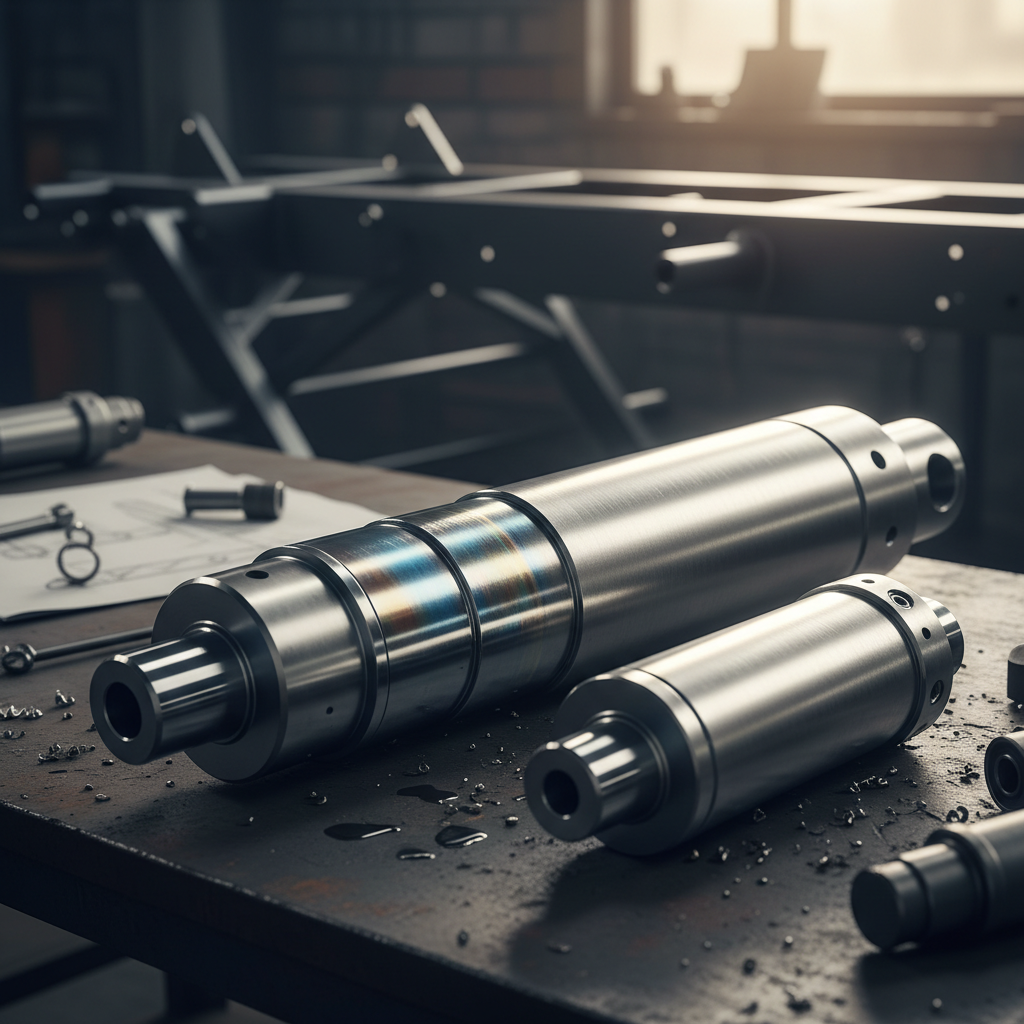
When selecting telescopic cylinders for optimal underbody performance, material selection is a critical factor that significantly impacts durability and performance. High-strength materials such as chrome-plated steel and aluminum alloys are commonly preferred due to their ability to withstand high pressures while minimizing weight. Chrome plating not only enhances wear resistance but also provides a smooth surface finish, reducing friction during operation. This combination of strength and reduced friction can lead to improved efficiency and extended service life of the cylinders.
In addition, the environment in which the telescopic cylinders will operate should be considered when choosing materials. For applications exposed to harsh conditions, such as moisture, corrosive substances, or extreme temperatures, stainless steel or specialized coatings can offer superior protection against rust and degradation. The right choice of material not only enhances the performance and reliability of the cylinders but also ensures that maintenance costs are kept to a minimum over time. By prioritizing material selection, users can achieve optimal functionality and longevity in their telescopic cylinder applications.
Maintenance Strategies for Longevity in Telescopic Cylinders
When it comes to maintaining telescopic cylinders, understanding the importance of regular upkeep cannot be overstated. These hydraulic components are crucial for various applications, and proper maintenance strategies can significantly extend their lifespan and performance. One essential tip is to establish a routine inspection schedule. Regular checks for leaks, wear, and corrosion can help identify issues before they become significant problems.
Another key maintenance strategy is to ensure the cylinders are adequately lubricated. Using the correct hydraulic fluid is vital. The right fluid not only reduces friction but also protects the internal components from wear. Always follow the manufacturer’s guidelines for lubricant selection. Additionally, keeping the cylinders clean from debris and contaminants will prevent damage and ensure smoother operation.
Lastly, storing telescopic cylinders properly when not in use is critical. Protecting them from extreme temperatures and maintaining them in a dry environment will help preserve their integrity. By implementing these maintenance tips, operators can maximize the performance and longevity of their telescopic cylinders, ensuring they stay in optimal working condition for years to come.
Essential Tips for Choosing Telescopic Cylinders Underbody for Optimal Performance - Maintenance Strategies for Longevity in Telescopic Cylinders
| Aspect |
Tip |
Frequency |
Description |
| Material Selection |
Choose high-strength steel |
Initial |
High-strength steel enhances durability and resistance to corrosion. |
| Seal Type |
Opt for dual-seal systems |
Every replacement |
Dual-seal systems provide better protection against dirt and moisture. |
| Mounting Design |
Use reinforced brackets |
As necessary |
Reinforced brackets prevent misalignment and enhance stability. |
| Fluid Type |
Utilize high-quality hydraulic fluid |
Monthly |
High-quality hydraulic fluids maintain performance and reduce wear. |
| Regular Inspections |
Conduct visual and operational checks |
Monthly |
Inspect for leaks, wear, and overall function to prevent issues. |
| Lubrication |
Implement a regular lubrication schedule |
Every 500 hours of operation |
Proper lubrication reduces friction and prolongs cylinder life. |
Evaluating Load Capacity and Support Requirements in Design
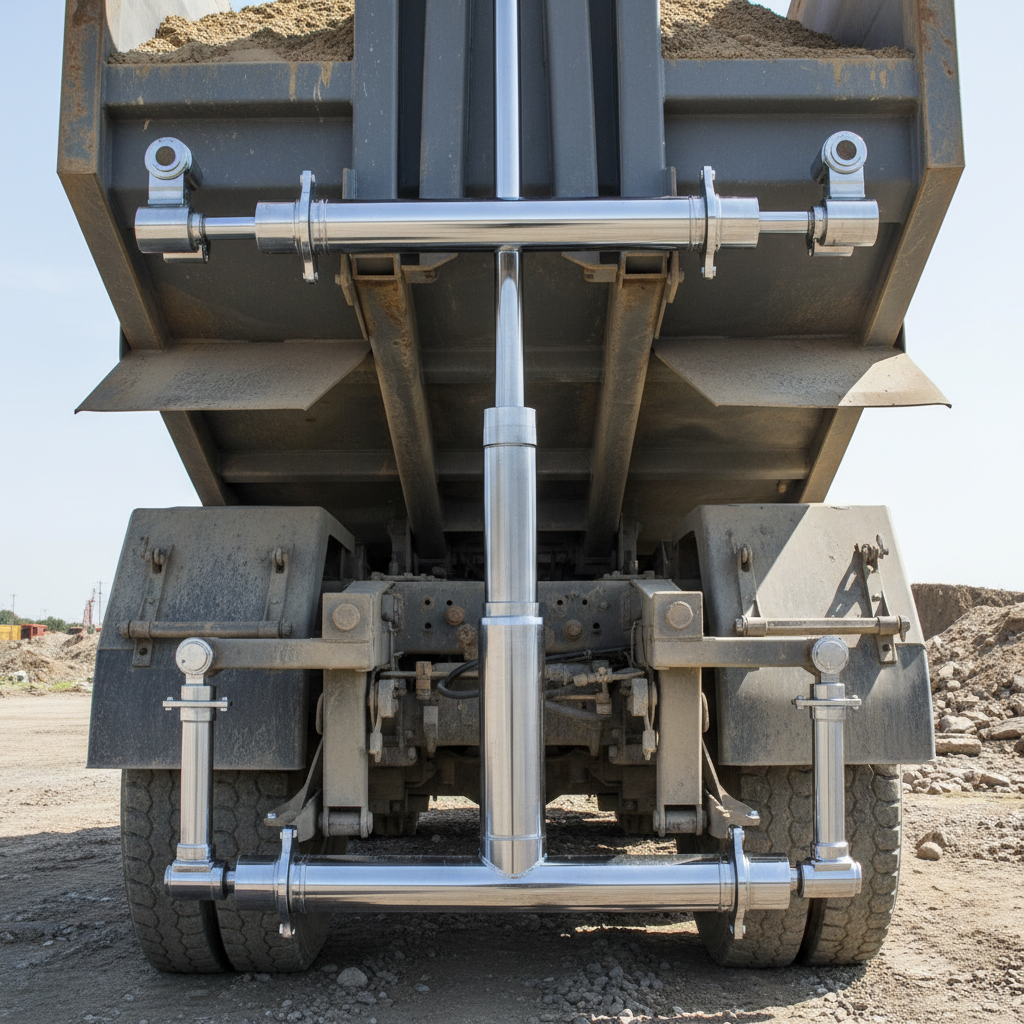
When selecting telescopic cylinders for underbody applications, evaluating load capacity and support requirements is critical for ensuring optimal performance. The load capacity indicates how much weight the cylinder can safely lift or support without failure. It’s essential to consider the maximum load during operation, which may include dynamic forces and potential overload scenarios. Manufacturers often provide load specifications, but consulting with engineering professionals can help assess the specific needs of your application.
In addition to understanding load capacity, it’s vital to analyze the support requirements for the cylinder's design. Proper support ensures the cylinder operates efficiently and lasts longer under stress. Ensure that the mounting brackets and attachments are robust enough to handle the predicted loads while distributing forces evenly.
Here are a couple of tips to keep in mind: First, always verify the cylinder's load ratings against the actual requirements of your equipment to prevent unsafe conditions. Additionally, consider the installation location; adequate support structures should be designed to accommodate the telescopic movement and prevent flexing or misalignment during operations. By paying attention to these factors, you can choose the right telescopic cylinders for your needs.