Essential Tips for Choosing the Right Hydraulic Cylinder for Excavator Performance
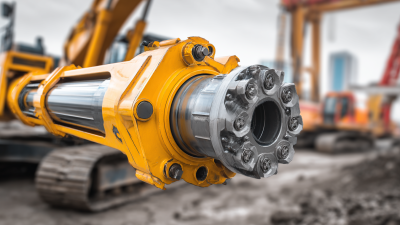
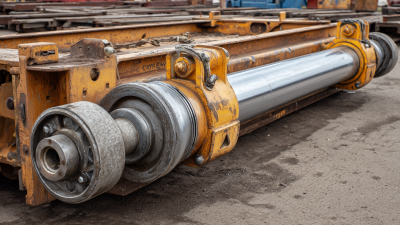
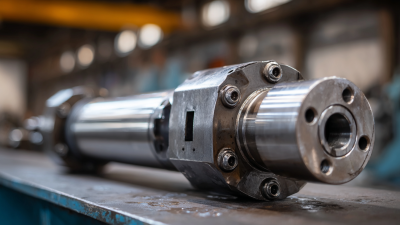
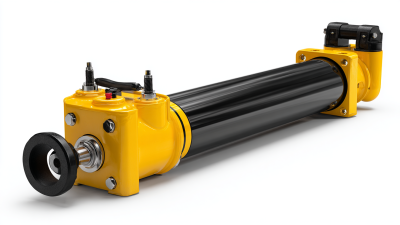
When it comes to optimizing the performance of an excavator, selecting the right hydraulic cylinder is paramount. The hydraulic cylinder for excavator plays a crucial role in ensuring that the machinery operates efficiently and effectively under various conditions. With multiple options available in the market, it can be challenging for operators and fleet managers to identify which hydraulic cylinders will provide the best results for their specific applications.
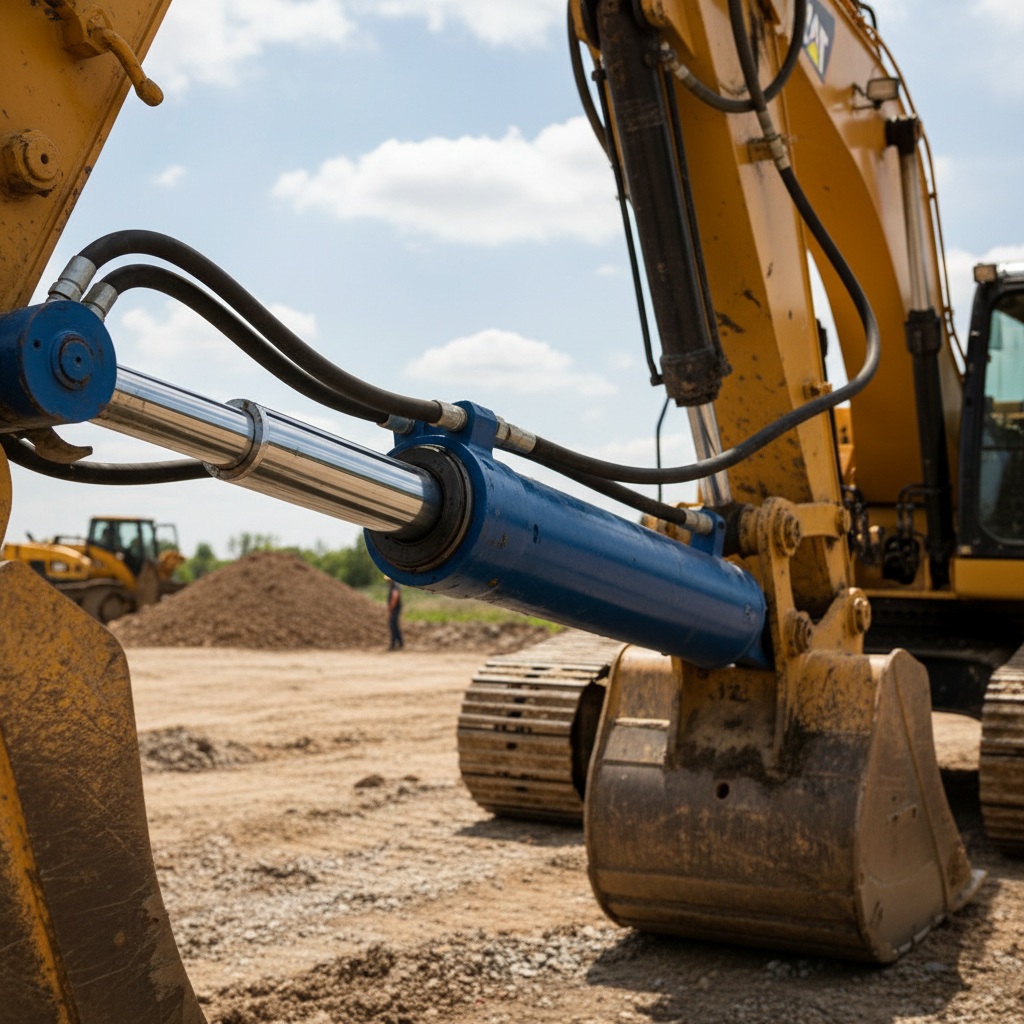
In this guide, we will explore the essential tips for choosing the right hydraulic cylinder for excavator performance, focusing on the top five considerations that can make a significant difference in excavation tasks. From understanding load requirements to evaluating compatibility with existing equipment, these factors are vital to enhance not only productivity but also the longevity of your excavator. By making informed decisions regarding the hydraulic cylinder for excavator, operators can ensure optimal performance and reliability on the job site.
Factors Influencing the Selection of Hydraulic Cylinders for Excavators
When selecting hydraulic cylinders for excavators, several critical factors must be considered to enhance performance and ensure operational efficiency. One of the primary factors is the working pressure of the hydraulic system. According to industry reports, hydraulic cylinders typically operate within a range of 3,000 to 5,000 PSI. Choosing a cylinder that matches or exceeds this pressure can significantly impact the excavator's lifting capacity and overall effectiveness.
Another essential factor is the type of material used in the cylinder construction. High-strength steel is preferred for its durability and resistance to wear, which can prolong the life of an excavator. Additionally, factors such as bore size and stroke length must align with the specific application needs. Data from the International Journal of Engineering Research indicates that the optimal bore diameter can enhance the cylinder's efficiency by up to 20%, translating into improved performance in heavy-duty tasks.
Lastly, compatibility with the excavator's hydraulic system is crucial. Hydraulic cylinders designed for precise compatibility ensure seamless integration, reducing the risk of operational failures. The Hydraulic Institute emphasizes that proper alignment and fitting can increase performance reliability by up to 15%, underscoring the importance of diligence in the selection process.
Understanding Different Types of Hydraulic Cylinders Used in Excavators
When selecting a hydraulic cylinder for excavator performance, it’s crucial to understand the various types available and their specific applications. There are primarily two types of hydraulic cylinders used in excavators: single-acting and double-acting cylinders. Single-acting cylinders operate in one direction, utilizing hydraulic pressure to extend while relying on gravity or a spring for retraction. This makes them ideal for tasks where force is only needed in one direction, such as lifting.
On the other hand, double-acting cylinders offer versatility by applying hydraulic pressure for both extension and retraction. This type is commonly used in dynamic tasks, such as arm and boom movements, where controlled force is necessary in both directions. Additionally, knowing the construction type—like tie-rod cylinders or welded cylinders—also impacts performance. Tie-rod cylinders are easier to maintain and replace, whereas welded cylinders provide a more compact solution for heavy-duty applications. Understanding these differences allows for better decision-making when choosing the optimal hydraulic cylinder for specific excavator tasks.
Comparison of Different Types of Hydraulic Cylinders Used in Excavators
Key Performance Specifications to Consider in Hydraulic Cylinder Selection
 When selecting the right hydraulic cylinder for excavators, it is crucial to focus on key performance specifications that directly impact the efficiency and productivity of the machine. One of the primary specifications is the
cylinder's bore diameter, which influences the force exerted by the cylinder. A larger bore diameter can generate increased lifting capacity, making it essential to match the bore size with the intended application and work requirements.
When selecting the right hydraulic cylinder for excavators, it is crucial to focus on key performance specifications that directly impact the efficiency and productivity of the machine. One of the primary specifications is the
cylinder's bore diameter, which influences the force exerted by the cylinder. A larger bore diameter can generate increased lifting capacity, making it essential to match the bore size with the intended application and work requirements.
 Another important aspect to consider is the stroke length of the hydraulic cylinder. The stroke length determines how far the piston can travel, which in turn affects the reach and depth capabilities of the excavator. Depending on the specific tasks—whether
digging, lifting, or reaching—choosing an appropriate stroke length becomes vital for achieving optimal operational performance.
Another important aspect to consider is the stroke length of the hydraulic cylinder. The stroke length determines how far the piston can travel, which in turn affects the reach and depth capabilities of the excavator. Depending on the specific tasks—whether
digging, lifting, or reaching—choosing an appropriate stroke length becomes vital for achieving optimal operational performance.
Additionally, evaluating the rod diameter and material strength is also important, as these factors contribute to the cylinder's durability and resistance to wear and tear under demanding conditions.
Lastly, one should not overlook the type of seals used in the hydraulic cylinder. High-quality seals ensure effective containment of hydraulic fluid, minimizing leakage and maintaining pressure integrity. This reliability not only enhances performance but also reduces maintenance costs over time, making it a significant consideration in the selection process. By prioritizing these performance specifications, operators can ensure their hydraulic cylinders are tailored to meet the specific demands of their excavator operations.
Maintenance and Longevity: Choosing Durable Hydraulic Cylinders for Excavators
When choosing hydraulic cylinders for excavators, durability and maintenance play crucial roles in enhancing machine performance. Optimal hydraulic cylinders are vital for maintaining efficiency under heavy loads, particularly in demanding environments found in construction and mining. Recent advancements reveal that new excavator models are achieving up to 20% less maintenance costs, alongside structural durability improvements that can double the lifespan of hydraulic components. This is particularly significant for companies looking to minimize downtime and maximize productivity.
Moreover, innovations in hydraulic systems are contributing to enhanced fuel efficiency and reliability. For instance, new models of excavators are reported to improve performance dramatically while also extending maintenance intervals. Studies indicate that integrating advanced hydraulic technologies can lead to operational efficiencies of over 10%. It is essential for operators to choose hydraulic cylinders designed for resilience and performance, which directly correlates with reduced maintenance needs and increased longevity, ultimately leading to significant operational cost savings in the long run.
Expert Recommendations for Matching Hydraulic Cylinders to Excavator Models
When selecting the right hydraulic cylinder for an excavator, it's crucial to match the cylinder specifications with the excavator model to ensure optimal performance and efficiency. According to industry data, hydraulic cylinder performance is directly linked to the excavator's weight class and intended application. For instance, heavier excavators typically require cylinders with larger bore sizes and higher pressure ratings to support the increased load demands. Reports indicate that incorrectly matched hydraulic cylinders can lead to a decrease in operational efficiency by up to 30%, highlighting the importance of precision in selection.
Expert recommendations suggest that operators start by reviewing the excavator's manufacturer specifications, paying close attention to hydraulic flow rates and pressure settings. For example, a Caterpillar 320 excavator might require hydraulic cylinders rated for 4,000 psi to handle its operational capacities effectively. Additionally, matching the stroke length of the cylinder to the desired dig depth can enhance performance; exceeding recommended stroke lengths may not only reduce efficiency but also compromise the safety of the machine. Leveraging this knowledge ensures that excavators operate at peak performance, catering to diverse excavation tasks while prolonging equipment life.