Essential Tips for Choosing Hydraulic Cylinder for Excavator?
Choosing the right hydraulic cylinder for an excavator can greatly influence its performance. Industry expert Mark Thompson once stated, “The efficiency of excavation work hinges on the right hydraulic cylinder selection.” This highlights the importance of understanding various specifications and applications.
When selecting a hydraulic cylinder for an excavator, attention to detail is vital. Consider the cylinder's stroke length, bore size, and rod diameter. These factors directly impact the excavator's power and precision. Moreover, examining the manufacturer's reputation can offer valuable insights. Not all cylinders are created equal; some may not withstand rigorous use.
Many buyers overlook compatibility with their existing machinery. This oversight can lead to significant operational issues. Additionally, understanding the type of work the excavator will perform is crucial. Heavy-duty tasks require robust hydraulic cylinders, while lighter jobs may accept simpler designs. These choices can influence both efficiency and safety in the long run.

Understanding Hydraulic Cylinder Functionality in Excavators
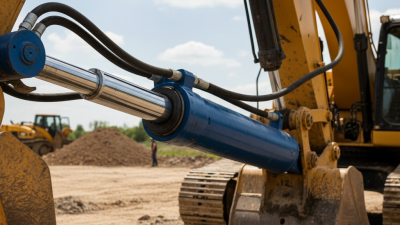
In excavators, hydraulic cylinders play a vital role in movement. They convert hydraulic energy into mechanical force. This allows for effective digging, lifting, and pushing. The precision in their design is crucial. A small error can affect performance significantly.
Understanding the functionality is essential. The cylinder pushes the piston inside when hydraulic fluid is introduced. This action creates motion in the excavator's arm or bucket. Size and pressure ratings must match the intended use. Often, users underestimate the importance of compatibility. Choosing the wrong specifications can lead to inefficiency.
Regular maintenance is key to peak performance. Inspect for leaks and wear regularly. Hydraulic fluid quality is also important. Neglecting this can cause damage. Many operators overlook simple checks. In doing so, they may face costly repairs later. Consider testing hydraulic pressure periodically to ensure everything functions well.
Key Specifications to Consider for Hydraulic Cylinder Selection
When choosing a hydraulic cylinder for an excavator, several key specifications are vital. One major factor is the bore size, which typically ranges from 2 inches to over 8 inches for heavy-duty applications. Industry reports suggest a larger bore size increases lifting capacity but can also add weight. Balancing capacity and weight is crucial for optimal equipment performance.
Stroke length is another critical specification. It determines the depth of the excavator's reach. For example, a stroke length of 36 inches is common for standard operations. However, specialty tasks may require lengths up to 60 inches or more. This variance can affect both the operational efficiency and overall versatility of the equipment.
Pressure ratings are equally important. Most hydraulic cylinders operate between 3,000 to 5,000 psi. Higher ratings can improve efficiency but often lead to increased wear and maintenance needs. As a result, robust designs that retain performance while minimizing wear are essential. Inconsistent specifications can lead to equipment failure, so always consider the compatibility of all components involved.
Essential Tips for Choosing Hydraulic Cylinder for Excavator
| Specification |
Description |
Importance |
| Bore Diameter |
Internal diameter of the cylinder where the piston moves. |
Affects lifting capacity and force output. |
| Rod Diameter |
Diameter of the extending rod that connects to the machine. |
Impacts stability and resistance to buckling. |
| Stroke Length |
Length of the cylinder's linear movement. |
Determines the range of motion needed for various applications. |
| Cylinder Type |
Different types include single-acting and double-acting cylinders. |
Type impacts function and efficiency in operation. |
| Material |
Common materials include steel and aluminum. |
Influences strength, weight, and corrosion resistance. |
| Operating Pressure |
Maximum pressure at which the cylinder can operate. |
Critical for ensuring safe and effective operation. |
| Mounting Style |
Types include pin, flange, and trunnion mounts. |
Determines compatibility with excavator design. |
Material Quality and Durability Factors in Hydraulic Cylinders
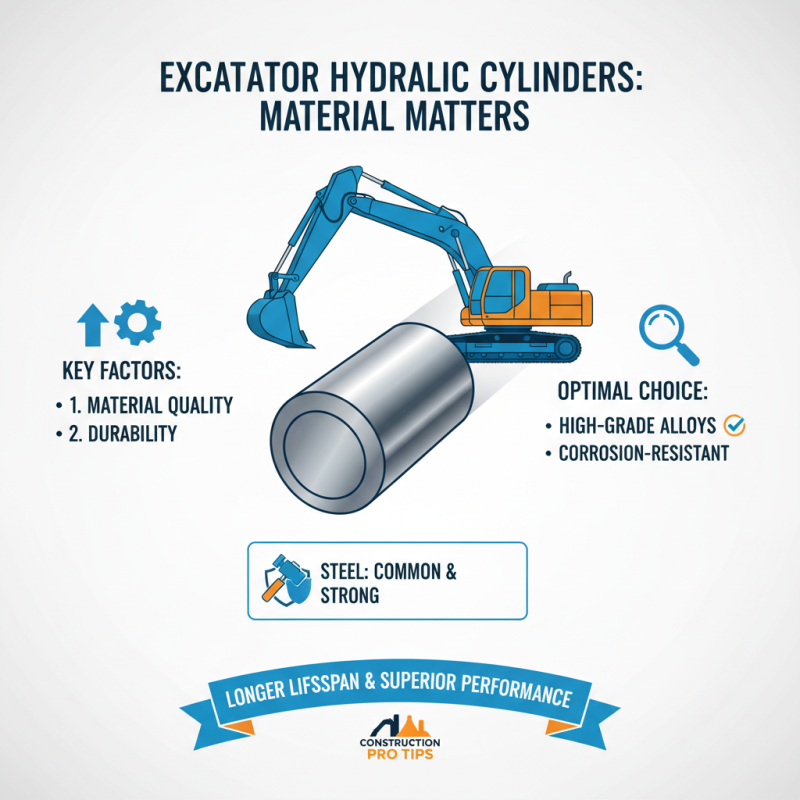
When selecting hydraulic cylinders for excavators, material quality and durability are key factors. The right materials can significantly enhance the lifespan and performance. Steel is the most common material due to its strength. However, not all steel is created equal. Look for high-grade alloys that resist corrosion.
Tips for choosing materials involve assessing the operating environment. For harsh conditions, consider cylinders with protective coatings. These can drastically improve resistance to wear and tear. Also, think about the seals used within the cylinders. Poor-quality seals can lead to leaks and reduced efficiency.
Durability should never be overlooked. A durable hydraulic cylinder can withstand constant pressure and heavy loads. Be cautious of suppliers who don’t provide detailed specifications. You want durable, robust components that won’t need constant replacements. Reflecting on these details will help in making informed decisions that enhance overall performance.
Compatibility of Hydraulic Cylinders with Excavator Models
When selecting hydraulic cylinders for excavators, compatibility is crucial. Each excavator model has specific requirements for hydraulic pressure and dimensions. A report by the International Society for Trenchless Technology noted that mismatched cylinders could lead to operational inefficiencies, wasting up to 15% of hydraulic power. This inefficiency can compromise the overall performance of the excavator.
Hydraulic cylinders must match the specifications of the excavator. Misalignment can result in mechanical failures. Many excavator models utilize standard sizes, but small variations often exist. In fact, an analysis from the Construction Equipment Association emphasized that purchasing non-compatible cylinders could lead to 25% higher maintenance costs. This is a significant figure for fleet owners.
Consider the environment too. Working conditions can influence cylinder performance. Extreme temperatures or debris exposure can affect seals and actuators. It's important to select cylinders rated for specific conditions. A study from the Machinery and Equipment Institute mentioned that 30% of hydraulic failures relate to inadequate compatibility with the operational environment. This data shows the importance of thorough research when choosing hydraulic components.
Essential Tips for Choosing Hydraulic Cylinder for Excavator
Maintenance Practices for Prolonging Hydraulic Cylinder Life
Hydraulic cylinders are crucial for excavator performance. Their longevity can be significantly enhanced through proper maintenance practices. Regular inspections should focus on seals and connections. Studies show that nearly 30% of hydraulic cylinder failures arise from seal leaks. Addressing these issues early can prevent costly breakdowns.
Routine cleaning is another essential maintenance task. Dirt and debris can cause wear. A report indicates that 20% of hydraulic issues stem from contaminated fluids. Operators should consistently clear debris from cylinders. Use a soft cloth to avoid scratching surfaces. Furthermore, checking fluid levels regularly is vital. Low fluid can lead to overheating and cylinder failure.
Using the correct fluid also matters. Systems are designed for specific hydraulic oils. Substituting with improper fluids can lead to excessive wear. A misstep in this area may shorten cylinder life significantly. Monitor for any unusual noises or performance issues. Promptly addressing these signs can prevent more extensive damage down the line. Maintenance is not just a task; it’s a practice that requires diligence and attention to detail.