What is a Hydraulic Cylinder For Trailer and Its Benefits?
Hydraulic cylinders play a crucial role in the functionality of trailers. They offer powerful lifting and lowering capabilities, making heavy loads manageable. A hydraulic cylinder for trailer applications is specifically designed to enhance efficiency and safety. Many trailer owners may not see the importance of this device until they face a challenging loading scenario.
These cylinders are built to withstand significant pressures while providing smooth and controlled movements. With durable materials and precise engineering, a hydraulic cylinder for trailer use can ensure optimal performance. It offers benefits such as increased productivity and reduced physical strain on operators. However, issues can arise if they are not properly maintained or installed.
Understanding the benefits and potential drawbacks of hydraulic cylinders is essential. Regular inspections and awareness of common issues can help maintain their functionality. Investing in a high-quality hydraulic cylinder for trailer use can make a significant difference in operations. It's important to weigh the advantages against possible maintenance challenges to make informed decisions.
Definition of Hydraulic Cylinder for Trailers
A hydraulic cylinder for trailers is a vital component. It converts hydraulic energy into mechanical force. This enables the trailer to lift, tilt, or move heavy loads easily. Understanding its definition is key to appreciating how it enhances trailer functionality.
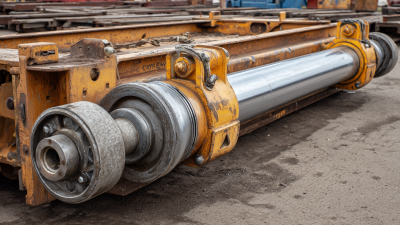
Hydraulic cylinders consist of a cylinder barrel, piston, and seals. When pressurized fluid enters the cylinder, it moves the piston. This movement allows trailers to perform heavy lifting tasks. Many hinges and jacks rely on these systems for stability and support. However, proper maintenance is often overlooked. This can lead to leaks and decreased performance.
The benefits of hydraulic cylinders are significant. They provide immense lifting power while maintaining control. Operators can easily adjust the load angle. This makes tasks safer and more efficient. Yet, user training is essential. Misuse can result in accidents or equipment damage. Investing time in understanding the system is crucial for maximizing its benefits.
How Hydraulic Cylinders Work in Towing Applications
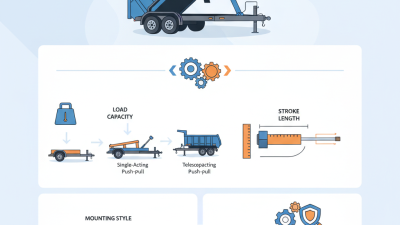
Hydraulic cylinders play a crucial role in towing applications. They provide the power needed to lift and lower trailers safely. These devices convert hydraulic energy into mechanical force, allowing for precise movements. When attached to a trailer, they enhance stability by evenly distributing weight. Ensuring the correct cylinder size is essential for optimal performance.
In practical terms, hydraulic cylinders help secure the load. They assist in aligning the trailer with the towing vehicle. However, improper installation can lead to malfunctions. Regular maintenance can prevent leaks and ensure reliability. Monitoring fluid levels also plays a significant role in performance.
Hydraulic systems can be complex. Misunderstanding their operation could lead to accidents. It’s important to operate these systems with caution. Proper training and knowledge are vital. Ensuring operators are educated on the system can mitigate risks. This understanding enhances safety in towing applications.
Benefits of Hydraulic Cylinders in Towing Applications
Key Benefits of Using Hydraulic Cylinders in Trailers
Hydraulic cylinders play a vital role in trailers, enhancing their performance and functionality. These powerful components provide lifting and lowering capabilities, making it easier to load and unload cargo. A hydraulic cylinder uses fluid pressure to create linear motion, which translates into efficient handling of heavy loads.
One key benefit of using hydraulic cylinders is their ability to offer precise control. This ensures that loads are handled safely and effectively. For instance, when lowering a trailer bed, the hydraulic system can provide smooth and gradual movement, reducing the risk of accidents. It minimizes sudden drops that could damage cargo or cause injuries.
Tip: Regular maintenance of the hydraulic system is crucial. Check for leaks and ensure the fluid levels are adequate. Keep an eye on the seals and hoses for wear.
Another advantage is the strength and reliability of hydraulic cylinders. They can lift much heavier loads than manual systems, increasing productivity. This is especially important for businesses that rely on trailers for transportation. However, improper use can lead to failures. Users must understand the weight limits and operate the cylinders according to the specifications.
Tip: Always train operators on safe practices. An informed user is less likely to cause issues. Taking time for proper training can save costs and improve safety.
What is a Hydraulic Cylinder For Trailer and Its Benefits? - Key Benefits of Using Hydraulic Cylinders in Trailers
| Benefit |
Description |
Applications |
| Increased Lifting Capacity |
Hydraulic cylinders can lift heavy loads with ease due to their mechanical advantage. |
Transporting machinery, construction materials, etc. |
| Smooth Operation |
Hydraulic systems provide smooth and controlled motions, enhancing safety. |
Loading and unloading operations, dump trailers. |
| Ease of Maintenance |
Hydraulic cylinders require less frequent maintenance compared to mechanical systems. |
Everyday trailer operations, logistics. |
| Compact Size |
Hydraulic cylinders have a compact design, saving space in the trailer. |
Utility trailers, small machinery transport. |
| Durability |
Built to withstand harsh environments, offering a long service life. |
Construction, agriculture, heavy-duty transport. |
Common Applications of Hydraulic Cylinders in Trailers
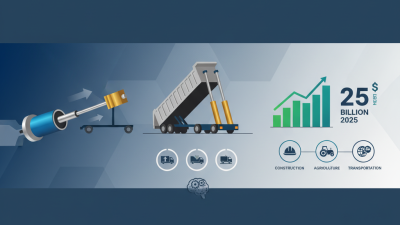
Hydraulic cylinders are crucial components in trailer operations. They enhance lifting, lowering, and tilting trailers for various tasks. Common applications include dump trailers, car haulers, and flatbed configurations. These cylinders provide precise control over heavy loads. According to industry reports, hydraulic systems can increase lifting efficiency by over 30%. This efficiency is vital for operations requiring quick turnaround times.
These cylinders help in reducing manual labor. For instance, in dump trailers, hydraulic cylinders enable operators to unload materials swiftly. In car haulers, they assist in lowering and raising ramps safely. Each application demands reliability and power. The ability to manage significant weights with minimal effort enhances productivity across industries.
When working with hydraulic cylinders, ensure regular maintenance. Inspect seals and connections regularly. This can prevent leaks and downtime. Remember, neglecting upkeep can lead to costly repairs later. By emphasizing maintenance, trailers can maintain peak performance over time.
Maintenance Tips for Hydraulic Cylinders in Trailer Systems
Hydraulic cylinders play a crucial role in trailer systems. They provide the necessary force to lift and lower trailers smoothly. However, their maintenance is essential for optimal performance. Based on industry reports, regular inspections can increase the lifespan of hydraulic systems by as much as 30%. A well-maintained cylinder can significantly reduce operational costs.
One key maintenance tip is to regularly check for leaks. Even small leaks can lead to major issues down the line. Additionally, ensuring the fluid levels are adequate is vital. Hydraulic fluid also needs to be clean to prevent wear. Some experts suggest changing the fluid every six months. Keeping an eye on these details is crucial. Ignoring them can result in unexpected failures.
Another important aspect is to inspect seals and fittings. Worn components can affect system efficiency. Replacing these parts promptly can save time and money. Trained technicians should carry out maintenance checks. They can identify signs of wear that the untrained eye might miss. Implementing a scheduled maintenance plan is wise. It can prevent costly breakdowns and ensure reliable operation.