Best Excavator Hydraulic Cylinder Maintenance Tips for Optimal Performance
In the world of construction and heavy machinery, the performance of an excavator can greatly depend on the efficiency of its Hydraulic Cylinder. As Jack Sullivan, a renowned expert in hydraulic systems, emphasizes, “The longevity and effectiveness of an Excavator Hydraulic Cylinder directly influence the overall productivity of heavy equipment.” Proper maintenance of these cylinders not only ensures optimal operation but also significantly reduces downtime and repair costs.
To achieve peak performance, it's essential to understand the intricacies involved in maintaining the Excavator Hydraulic Cylinder. Regular inspections, careful cleaning, and timely replacements are vital practices that can enhance the cylinder's functionality and extend its lifespan. Moreover, understanding the specific demands placed on these cylinders during operation can equip operators and technicians with the knowledge necessary to implement effective maintenance routines.
By following best practices and embracing a proactive approach to maintenance, operators can optimize the performance of their excavators, ultimately leading to more efficient project completions and reduced operational costs. The importance of maintaining the Excavator Hydraulic Cylinder cannot be overstated, as it is a key component that contributes to the overall success of construction endeavors.

Understanding the Role of Hydraulic Cylinders in Excavators
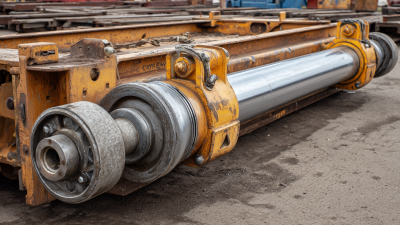
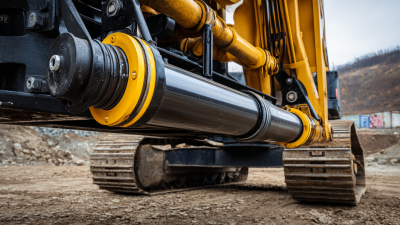
Hydraulic cylinders are vital components of excavators, providing the force necessary to perform heavy lifting and digging tasks. These cylinders convert hydraulic energy into mechanical movement, allowing for precise control of the excavator's arm and bucket. A report from the International Hydraulics Association highlights that proper maintenance of hydraulic systems can enhance equipment lifespan by up to 30%, emphasizing the need for diligent care of these crucial components.
To ensure optimal performance, it is important to regularly inspect hydraulic cylinders for signs of wear and tear. Look for leaks, corrosion, or any physical damage, which can drastically affect performance and safety. Additionally, maintaining proper fluid levels and using high-quality hydraulic fluids can mitigate risks of overheating and pressure loss. As a rule of thumb, always follow the manufacturer's specifications regarding maintenance schedules and techniques.
Tip: Regularly check the seals of the hydraulic cylinders to prevent contamination of hydraulic fluids, which can lead to system failure. Another useful practice is to keep the exterior of the cylinders clean to avoid debris accumulation, which can compromise their functionality. Following these maintenance tips can ensure that your excavator operates at peak efficiency and reduces costly downtime.
Signs of Wear and Tear in Hydraulic Cylinders: What to Look For
When it comes to maintaining hydraulic cylinders in excavators, recognizing the signs of wear and tear is crucial to ensuring optimal performance. One of the first indicators of potential issues is the presence of hydraulic fluid leaks. If you notice oil pooling around the cylinder or on the ground beneath the machine, it may signal that seals or fittings are compromised. Additionally, excessive accumulation of dirt and debris on the cylinder rods could lead to abrasion, which impacts the integrity of the seals and can exacerbate leakage.
Another sign to watch for is the performance of the excavator itself. If you observe a decline in power or responsiveness when operating the hydraulic system, it may indicate internal wear within the cylinder. Unusual noises, such as grinding or groaning sounds during operation, can also suggest that moving parts are not functioning smoothly due to wear. Observing these signs early on allows for timely maintenance, ensuring the hydraulic cylinders operate efficiently and prolonging the life of your equipment.
Best Excavator Hydraulic Cylinder Maintenance Tips for Optimal Performance
| Maintenance Tip |
Frequency |
Signs of Wear and Tear |
Recommended Action |
| Regularly check fluid levels |
Weekly |
Low fluid levels, discoloration |
Top up or replace fluid as needed |
| Inspect seals and hoses |
Monthly |
Cracks, leaks, visible damage |
Replace damaged hoses or seals |
| Clean hydraulic cylinder |
Monthly |
Dirt buildup, corrosion |
Use a suitable cleaner and inspect |
| Monitor cylinder operation |
Daily |
Unusual noises, erratic movement |
Investigate and service as necessary |
| Check for leaks |
Bi-weekly |
Visible fluid accumulation |
Fix leaks immediately |
| Lubricate moving parts |
Quarterly |
Excessive wear, stiffness |
Apply appropriate lubricant |
Essential Tools and Equipment for Hydraulic Cylinder Maintenance
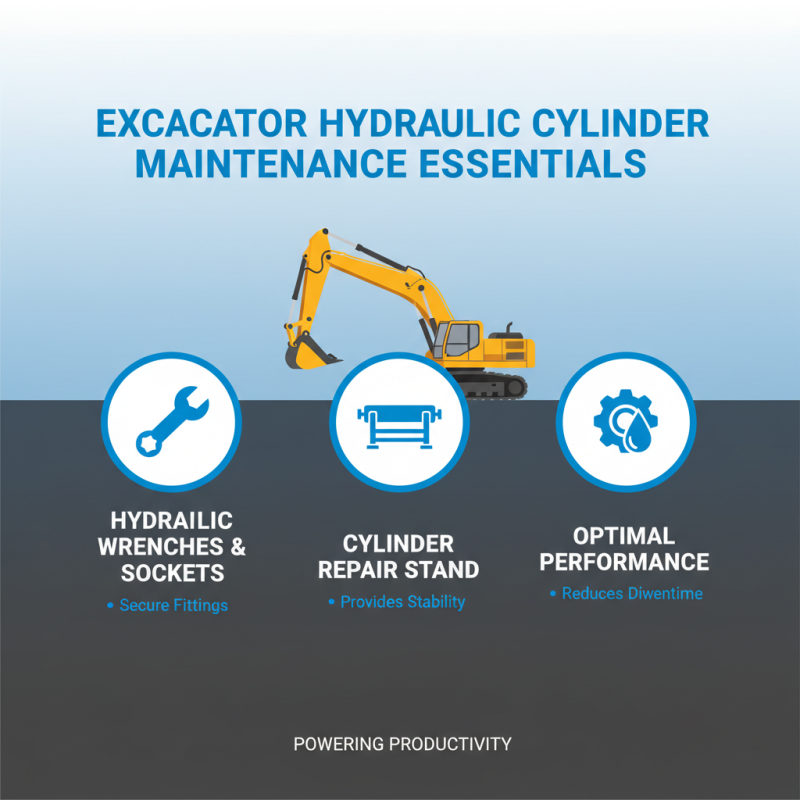
When it comes to maintaining excavator hydraulic cylinders, having the right tools and equipment is crucial for ensuring optimal performance. Essential tools include high-quality wrenches and socket sets specifically designed for hydraulic work. These tools enable technicians to easily access and secure hydraulic fittings without risking damage to the components. Additionally, a hydraulic cylinder bench or repair stand can provide stability during maintenance tasks, making it easier to disassemble and inspect the cylinders.
Another key piece of equipment is a hydraulic pressure tester. This tool helps in diagnosing issues such as leaks or pressure drops, which can significantly affect the performance of the hydraulic system. Furthermore, keeping a clean workspace equipped with cleaning brushes, lint-free cloths, and proper degreasers is important. Regularly cleaning the hydraulic cylinders and components prevents dirt and debris from entering the system, which can lead to contamination and premature wear. By ensuring you have the proper tools and equipment, you can perform maintenance tasks effectively and extend the lifespan of the hydraulic cylinders.
Step-by-Step Guide to Inspecting and Cleaning Hydraulic Cylinders
Inspecting and cleaning hydraulic cylinders is essential for maintaining the optimal performance of excavators. Regular inspection can help identify wear, corrosion, or potential leaks early on, thereby preventing more significant issues that could lead to costly repairs. According to industry reports, proper maintenance can extend the lifespan of hydraulic components by up to 30%.
Begin by checking for any visible damage or signs of oil leakage around the cylinder seals, rod, and barrel. If any irregularities are found, it is crucial to address them immediately to prevent further deterioration.
Once the visual inspection is complete, the next step is cleaning the hydraulic cylinder. Use a clean, lint-free cloth to wipe down the exterior surfaces, ensuring that no dirt or debris enters the cylinder during the inspection. For internal components, it is vital to follow manufacturer recommendations for cleaning solutions, as incorrect products can lead to corrosion or damage.
Data indicates that up to 70% of hydraulic system failures are attributed to contamination; therefore, maintaining cleanliness in and around hydraulic cylinders is paramount. Additionally, consider implementing a routine maintenance schedule that includes inspections and cleanings every 500 operating hours to ensure continued reliability of excavator operations.
Tips for Preventing Hydraulic Cylinder Damage and Extending Lifespan
Preventing damage to hydraulic cylinders is crucial for maintaining the performance and efficiency of excavators. One of the key strategies for protecting these components is regular inspection and maintenance. Operators should consistently check for signs of wear, such as leaks or unusual noises, which may indicate that a cylinder is not functioning properly. Ensuring that seals and fittings are in good condition is essential, as worn or damaged parts can lead to hydraulic fluid loss and decreased performance.
Additionally, proper storage and handling of hydraulic cylinders can significantly extend their lifespan. When not in use, cylinders should be stored in a clean, dry environment to prevent contamination from dirt and moisture, which can cause rust and corrosion. Using protective covers while in storage can also provide an additional layer of defense against environmental elements. Furthermore, operators should be trained to handle cylinders carefully during installation and removal, avoiding any impacts or shocks that could potentially cause internal damage. By implementing these preventive measures, the longevity and reliability of hydraulic cylinders in excavators can be greatly enhanced.
Best Excavator Hydraulic Cylinder Maintenance Tips for Optimal Performance