Top 10 Excavator Hydraulic Cylinder Features Buyers Need to Know?
When investing in an excavator, understanding the intricacies of the Excavator Hydraulic Cylinder is crucial. This component is vital for the machine's performance and efficiency. The hydraulic cylinder controls the movement of the arm and bucket, significantly affecting operation quality. A reliable hydraulic cylinder can enhance productivity and reduce maintenance costs.
Buyers often overlook essential features of excavator hydraulic cylinders. Factors like material quality, seal design, and pressure ratings play a significant role in durability. Poor choices can lead to severe malfunctions, causing costly downtime. It's essential to balance performance and budget without compromising quality.
As you explore options, keep in mind the complexities involved. Each feature impacts the machine's overall functionality. Think about how the chosen hydraulic cylinder will suit your specific needs. Knowledge and careful consideration are key to making informed decisions.
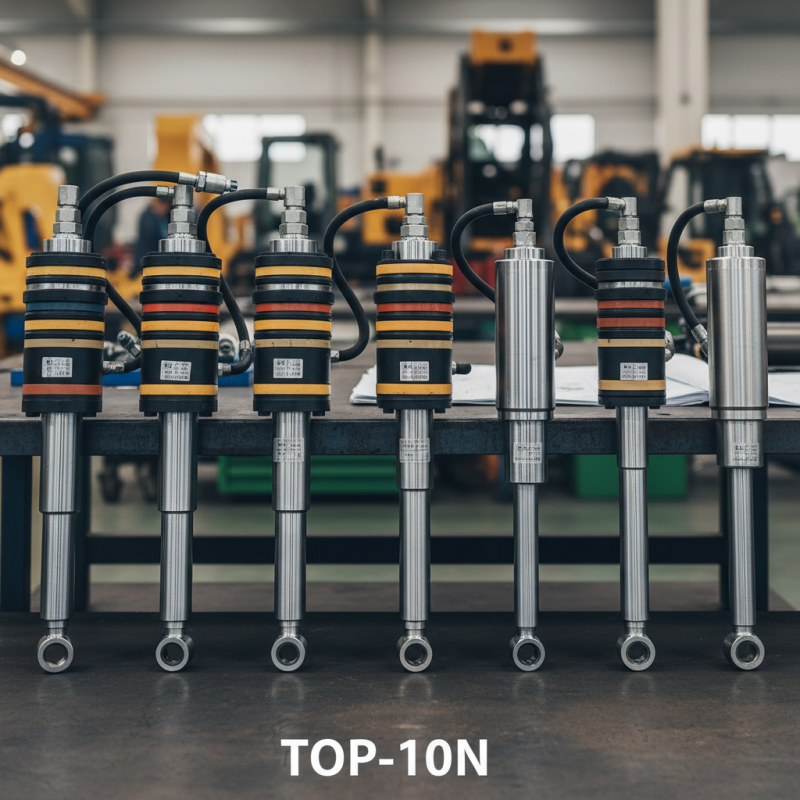
Top 10 Essential Features of Excavator Hydraulic Cylinders for Buyers
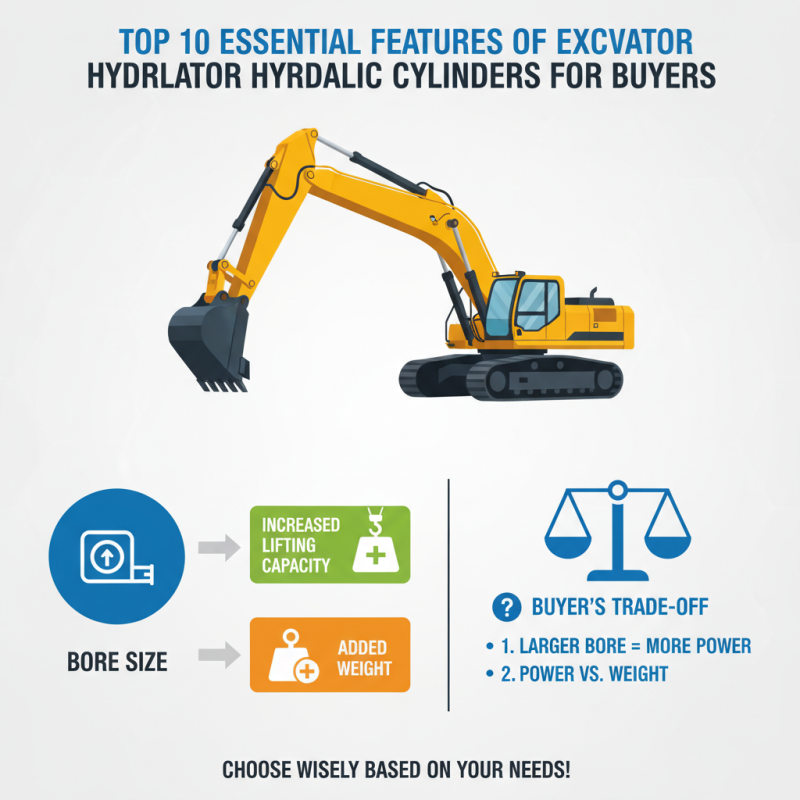
When selecting excavator hydraulic cylinders, understanding key features is crucial. One major aspect is the cylinder's bore size. A larger bore typically offers increased lifting capacity but can also add weight. Buyers should evaluate their specific needs against this trade-off.
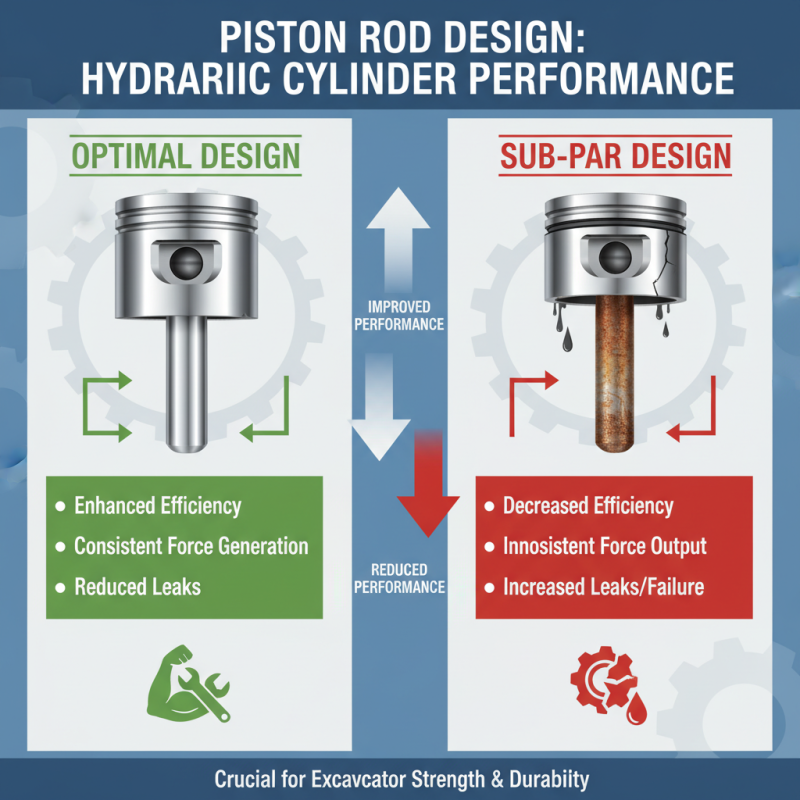
Another essential feature is the cylinder's rod coating. A durable coating can enhance resistance against wear and corrosion, prolonging the cylinder's life. However, not all coatings perform equally. Researching various options can be beneficial. Additionally, consider the seals used in the cylinder. High-quality seals prevent leaks, improving efficiency.
Mounting options are another significant detail. Different attachment types can affect ease of installation and overall performance. Buyers may need to reflect on their current equipment and future needs. Compatibility with other machinery is essential for efficient operation. Finally, think about the warranty offered. A comprehensive warranty reflects manufacturer confidence and provides reassurance to buyers.
Understanding Hydraulic Cylinder Capacity and Load Rating in Excavators
Hydraulic cylinder capacity and load rating are crucial for excavator performance. Understanding these features helps in selecting the right equipment for various tasks. Each hydraulic cylinder has a specific load rating, indicating the maximum weight it can safely handle. Miscalculating this capacity can lead to equipment failure or accidents. Regular maintenance also impacts performance, with worn components reducing efficiency.
Load ratings depend on the material, construction, and design of the cylinder. Operators must consider the working conditions and terrain when choosing a hydraulic system. An inadequate load rating could hinder productivity. It's essential to assess factors like pressure ratings, stroke length, and mounting styles. A clear understanding of these elements ensures the excavator operates within safe limits, maximizing efficiency.
Hydraulic systems are not foolproof. Even reliable cylinders might fail under unexpected stresses. Therefore, continuous monitoring is important. Operators should remain vigilant for signs of wear or leaks. Regular inspections can help avoid costly repairs and downtime. This proactive approach fosters long-term reliability, enhancing the overall effectiveness of excavation projects.
Top 10 Excavator Hydraulic Cylinder Features
Importance of Cylinder Materials for Durability and Corrosion Resistance
The choice of materials for hydraulic cylinders is crucial for their longevity and performance. A report by the International Journal of Mechanical Engineering highlights that up to 30% of machinery failures are linked to material degradation. This emphasizes the need for robust and resistant materials. When selecting hydraulic cylinders for excavators, buyers should prioritize materials known for their durability and corrosion resistance. High-strength steels and specialized alloys often outperform standard materials in demanding environments.
Corrosion can weaken a cylinder’s structure over time. Data from the ASTM International reveals that hydraulic components experience a significant reduction in lifespan due to corrosion-related issues. For instance, in humid environments, poor material choices can lead to failures within just a few years. Buyers should consider cylinders with protective coatings or stainless steel options. These materials can enhance durability and significantly reduce maintenance costs.
Investing in high-quality hydraulic cylinders pays off. A survey by the Construction Equipment Association found that equipment longevity is often linked to superior material choices. Operators noted fewer repairs when using cylinders made from advanced materials. However, not every buyer is aware of the importance of this aspect. Often, low-cost options become tempting, yet the long-term implications might lead to greater expenses. Understanding the role of materials could ultimately lead to better decision-making in procurement.
Top 10 Excavator Hydraulic Cylinder Features Buyers Need to Know - Importance of Cylinder Materials for Durability and Corrosion Resistance
| Feature |
Description |
Material |
Corrosion Resistance |
Durability |
| Cylinder Bore |
Internal diameter that impacts hydraulic fluid flow. |
High-strength steel |
Good |
High |
| Rod Material |
Material used for the piston rod. |
Hardened chrome-plated steel |
Very good |
Excellent |
| Seals |
Prevent hydraulic fluid leakage. |
Nitrile rubber |
Moderate |
Good |
| Rod Diameter |
Thickness of the piston rod which contributes to strength. |
High tensile steel |
Good |
High |
| End Caps |
Seal the ends of the hydraulic cylinder. |
Aluminum alloy |
Excellent |
Good |
| Hydraulic Fluid |
Medium used to transfer power within the cylinder. |
Synthetic-based oil |
Very good |
High |
| Plating |
Surface coating for improved wear resistance. |
Nickel plating |
Excellent |
High |
| Pressure Rating |
Maximum pressure the cylinder can operate safely. |
Carbon steel |
Good |
High |
| Weight |
Total weight which can affect machine performance. |
Mixed metals |
Varies |
Varies |
Evaluating Seal Types and Their Impact on Hydraulic Efficiency and Longevity
When assessing hydraulic cylinders for excavators, seal types play a pivotal role. Different seals exert varying impacts on hydraulic efficiency. For example, lip seals are common and effective, but they can sometimes fail under extreme pressures. On the other hand, O-ring seals offer a better performance for certain applications, yet their susceptibility to wear should not be overlooked. Each type has strengths and weaknesses that may determine the longevity of the hydraulic system.
Consider the environment where the excavator operates. Dust, temperature fluctuations, and exposure to aggressive fluids can accelerate seal degradation. Buyers must weigh these factors when selecting hydraulic cylinders. Investing in higher-quality seals can provide a longer lifespan. However, the initial costs may raise concern. It's essential to evaluate whether the long-term benefits justify this expense.
Frequent maintenance can make a significant difference in performance. Simple checks can prevent catastrophic failures. Always pay attention to signs of leakage or diminished power. Addressing these issues early can extend the life of the hydraulic system. Understanding seal types helps make wiser choices in the long run. This knowledge aids in achieving better hydraulic efficiency and operational reliability.