2026 How to Choose Telescopic Cylinders Underbody for Your Needs?
Choosing the right Telescopic Cylinders Underbody is crucial for various applications. These components play a vital role in construction, automotive, and industrial machinery. According to a recent market report by the Machinery Dynamics Research Institute, the demand for telescopic cylinders is expected to grow by 15% over the next five years. This rise signals an opportunity for businesses to optimize their operations.
Industry expert Dr. Lisa Tran emphasizes, "Selecting the right Telescopic Cylinders Underbody can significantly enhance equipment efficiency and longevity." Her insights reflect the importance of understanding specific application needs. Companies often overlook essential factors such as load capacity, stroke length, and mounting options. Failure to address these can lead to suboptimal performance and costly repairs.
Diving deeper into specifications can be daunting. Not all manufacturers maintain consistent quality standards. Additionally, the varying material compositions can affect performance under strain. As a result, careful consideration is necessary. Companies should engage with credible suppliers who offer detailed product information. This investment in research can pay dividends in operational success, making the choice of Telescopic Cylinders Underbody a pivotal decision.
Understanding Telescopic Cylinders and Their Applications
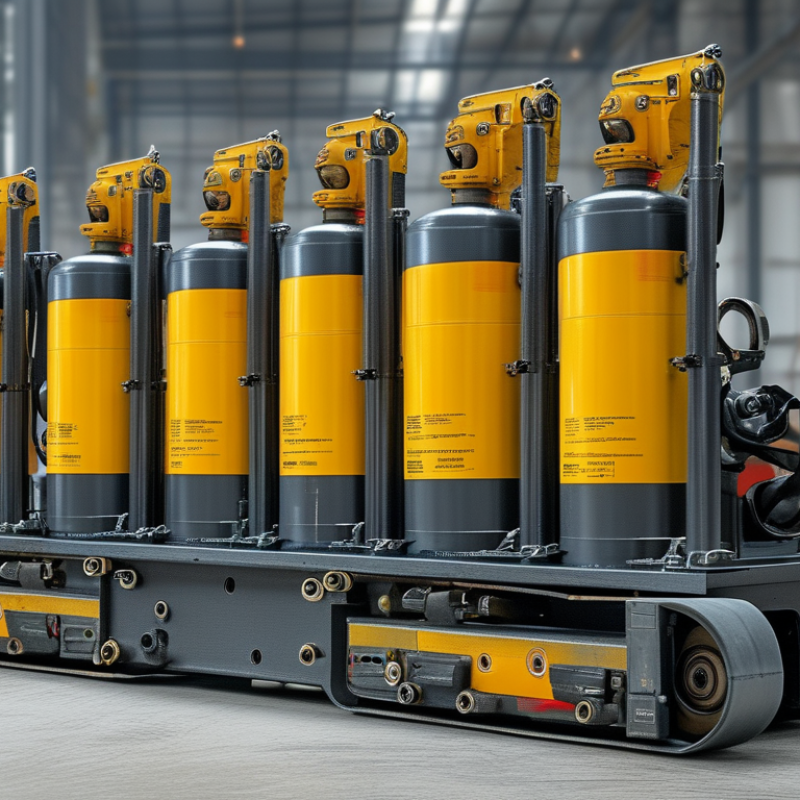
When discussing telescopic cylinders, it's essential to understand their functionality and applications. These hydraulic components extend and retract to manage heavy loads effectively. Industries such as construction, agriculture, and transportation rely heavily on these systems. They offer compactness and versatility. Knowing the specific needs of your project helps determine the right design and size for optimal performance.
Tips: Consider the load requirements for your application. Assess if you need single or multi-stage cylinders. Understand the space constraints in your machinery or system. This knowledge will guide your selection process and improve efficiency.
It’s also crucial to evaluate the operating environment. High temperatures, dust, or moisture can impact cylinder life. Not all materials withstand harsh conditions equally. This means you may need a customized solution. Beware of the cost of maintenance for different types of cylinders. Sometimes, cheaper options lead to higher long-term expenses. Strive for a balance between cost and durability.
Factors to Consider When Choosing Telescopic Cylinders
When selecting telescopic cylinders, it is essential to consider several factors. Start with the application type. The cylinder must match the specific demands of your project. Whether for lifting, pushing, or pulling, understanding the application is crucial. Load capacity is another key factor. Choose a cylinder that can handle the weight you plan to use it for. Not all cylinders are built equally, so check the specifications carefully.
Next, assess the working environment. Dirty or harsh conditions can affect cylinder performance. Consider materials that resist corrosion and wear. Dimensions also matter. Fit must align with space constraints while allowing for smooth operation. Hydraulic systems often require custom lengths; ensure you account for this in your choice.
Another point to ponder is the ease of maintenance. Some cylinders need frequent servicing, while others offer durability with less upkeep. Think about long-term costs versus initial investment. It’s vital to strike a balance. A cheaper option might lead to additional repairs. Reflect on your priorities to make an informed decision. Ultimately, careful consideration of these factors will guide you to the right telescopic cylinder for your needs.
2026 How to Choose Telescopic Cylinders Underbody for Your Needs?
| Factor |
Description |
Importance Level |
| Load Capacity |
The maximum weight the cylinder can lift or support. |
High |
| Stroke Length |
The distance the cylinder can extend and retract. |
Medium |
| Material |
The type of material used for durability and suitability to the environment. |
High |
| Operating Pressure |
The pressure requirements for effective functionality. |
High |
| Mounting Style |
How the cylinder will be mounted in your application. |
Medium |
| Duty Cycle |
Indicates how often the cylinder can be used in a given timeframe. |
Medium |
| Temperature Range |
The operational temperature range the cylinder can withstand. |
High |
| Cost |
The overall price considerations based on budget constraints. |
Low |
Types of Telescopic Cylinders and Their Features
When selecting telescopic cylinders, understanding the different types is crucial. These cylinders, often used in heavy machinery, come in various designs. Each type serves a unique purpose, impacting performance and efficiency.
Single-stage cylinders are straightforward. They provide simple extending and retracting actions. On the other hand, multi-stage cylinders can extend longer distances. They’re ideal for applications requiring significant reach in compact spaces. Hydraulic cylinders utilize fluid pressure, while pneumatic cylinders rely on air. The choice between them depends on operational needs and environmental conditions.
Another aspect to consider is the material. Steel offers durability, while aluminum is lightweight and resistant to corrosion. Each material comes with strengths and weaknesses. Checking specifications is essential. Custom configurations are available but may lead to delays. Balancing your needs with product availability is critical. Consider how each cylinder type aligns with your specific operations. Making the right choice can improve efficiency but requires careful evaluation.
Materials and Specifications for Optimal Performance
When selecting the right telescopic cylinder underbody, materials and specifications play a crucial role in performance. The most common materials used are steel, aluminum, and composite options. Steel offers strength and durability but can be heavy. Aluminum is lighter and resistant to corrosion, making it ideal for applications requiring mobility. However, it may not withstand extreme loads as well as steel. Composites combine lightweight properties with impressive strength, though they can be costlier.
Specifications such as stroke length, bore size, and pressure ratings also impact performance. A longer stroke length allows for greater movement, but it requires more space. Choosing the right bore size is essential; a larger bore can increase fluid flow but may affect the cylinder’s responsiveness. Additionally, consider the pressure ratings. They determine how much load the cylinder can handle. High-performance applications often require cylinders with higher ratings, and this could lead to unexpected failures if underestimated.
Understanding these materials and specifications can be complex. It's easy to overlook subtle details that might seem insignificant. Always evaluate the specific needs of your application and consult with experts for guidance. Remember, the perfect choice isn’t just about what is popular; it’s about what best suits your needs and context.
2026 Telescopic Cylinders Underbody Performance Comparison
This chart displays the optimal specifications of telescopic cylinders based on material types for optimal performance in various applications.
Maintenance and Care Tips for Telescopic Cylinders
Proper maintenance of telescopic cylinders is essential for ensuring their longevity and performance. Regular inspection is crucial. Look for signs of wear, such as scratches or dents. Any leaks should be addressed immediately. These issues can affect the cylinder's efficiency and safety. Cleaning the cylinder regularly helps prevent dirt and debris buildup. Use a soft cloth and non-abrasive cleaners to avoid damage.
Lubrication plays a vital role in maintenance. Apply the recommended lubricant according to the manufacturer's guidelines. Insufficient lubrication can lead to increased friction and premature failure. Pay attention to the seals as well. Damaged seals can cause fluid loss and hinder operation. Sometimes, seals can look fine but are ineffective. Replace them if you are unsure.
Lastly, store telescopic cylinders properly. Avoid placing them in extreme temperatures or direct sunlight. This can degrade materials over time. Regular maintenance may seem tedious, but it saves money in the long run. Neglecting these practices often leads to bigger issues. Reflecting on your maintenance habits can lead to significant improvements. Keep an eye on performance trends; they can provide insight into potential problems before they escalate.