How to Choose Telescopic Cylinders for Underbody Applications?
Choosing the right telescopic cylinders for underbody applications is crucial for efficiency and performance. John Smith, an expert in hydraulic systems, emphasizes, "Selecting the correct cylinder can prevent costly downtime." His insight reflects the importance of making informed choices in this field.
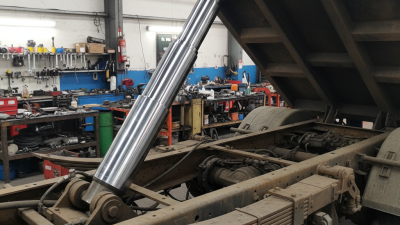
Telescopic cylinders underbody serve essential functions in various industries, including construction and transportation. These cylinders must be reliable and durable, often facing harsh conditions. Factors like load capacity, stroke length, and compatibility are vital. However, many overlook these details, leading to failures and repairs.
Inadequate research can impact overall performance. Users frequently underestimate the load requirements or neglect maintenance schedules. As we delve deeper into the selection process, understanding each element becomes essential. Deciding on the right telescopic cylinders underbody isn’t just technical; it's about ensuring safety and efficiency in daily operations.

Understanding Telescopic Cylinders and Their Applications
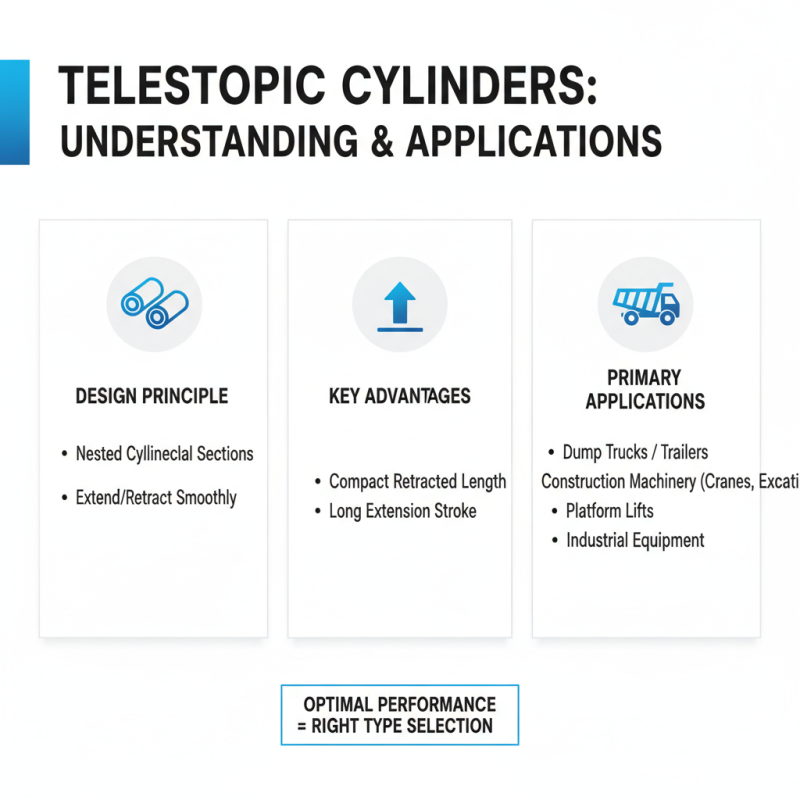
Telescopic cylinders are essential in various underbody applications. They consist of nested cylindrical sections that slide in and out. This design allows them to extend and retract smoothly. They're widely used in vehicles, trailers, and construction machinery. Understanding their operation helps in selecting the right type.
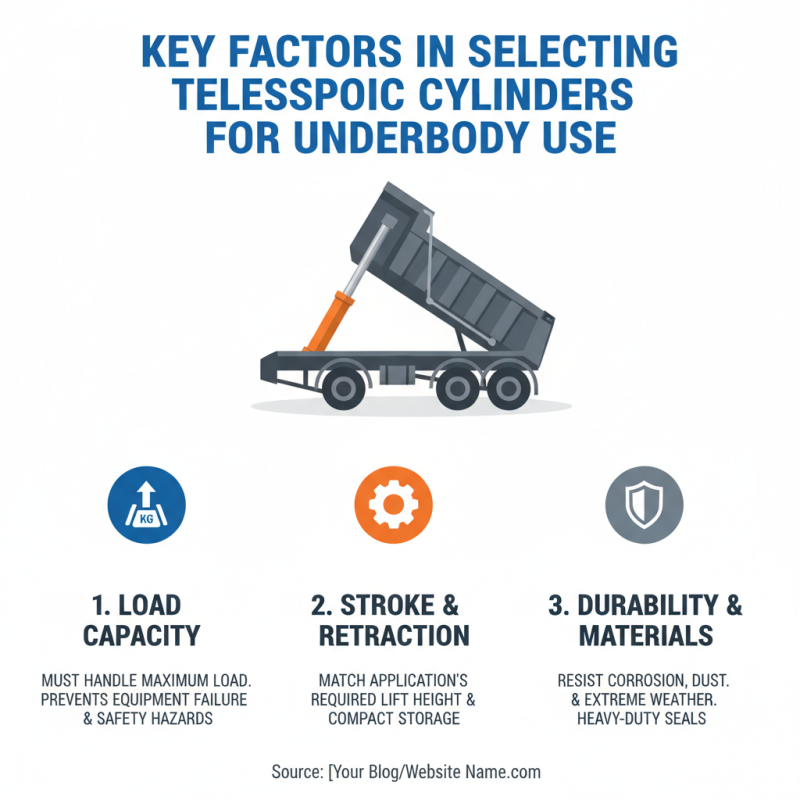
When choosing telescopic cylinders, consider the load capacity and action type. The maximum load must match the application needs. Note that oversizing can lead to inefficiencies. Materials matter too; steel and aluminum offer different benefits. You might also weigh the cost against performance. Yet, there’s always a trade-off that makes decision-making challenging.
Maintenance is another key element. Regular inspections can prevent failures. Yet, life sometimes gets in the way. Neglecting this step can result in unexpected breakdowns. It’s crucial to strike a balance between diligence and practicality. Identifying the right telescopic cylinder can be daunting, but understanding their applications simplifies the process.
Evaluating Load Capacity and Stroke Length in Design Choices
When selecting telescopic cylinders for underbody applications, evaluating load capacity and stroke length is crucial. Load capacity directly impacts the cylinder's efficiency and safety. According to industry reports, the load capacity should exceed the maximum expected load by at least 20%. This ensures reliability and avoids unexpected failures. Many designers overlook this factor, leading to performance challenges in cyclic applications.
Stroke length is another critical element in the design process. The required stroke length should match the specific movement requirements of your application. For instance, if a vehicle requires a 600 mm stroke for optimal function, choosing a cylinder with a 750 mm stroke can contribute to excess weight and space issues. A study indicated that miscalculating stroke lengths can result in a 15% decrease in operational efficiency.
In practice, balancing load capacity and stroke length can be tricky. Many engineers recommend a comprehensive analysis of the operational parameters. Adjusting these parameters can sometimes enhance performance significantly. However, focusing too much on the numerical values without considering the machine's entire system may lead to inefficiencies. Flexibility in design allows for adaptations during operation, which is often neglected in early design phases.
Material Considerations for Durability in Underbody Cylinders
When selecting telescopic cylinders for underbody applications, material choice plays a crucial role. The right material enhances durability and performance. Materials like high-strength steel or aluminum are common. They provide robust resistance to environmental stressors. Corrosion is a frequent issue in underbody applications. Thus, choosing materials that can withstand harsh conditions is critical.
It’s also essential to consider the weight of the material. Lighter materials can improve efficiency but may lack strength. Striking a balance between weight and durability often requires careful evaluation. Some engineers might overlook this balance. This could lead to premature wear or failure of the cylinders.
Surface treatments can enhance durability, too. Coatings can protect against rust and abrasion. However, not all coatings are created equal. Some wear off quickly, offering little long-term protection. Ongoing maintenance checks are necessary to prevent unexpected issues. Reflecting on these choices can lead to better application performance in the long run.
How to Choose Telescopic Cylinders for Underbody Applications? - Material Considerations for Durability in Underbody Cylinders
| Material |
Corrosion Resistance |
Strength-to-Weight Ratio |
Cost (per kg) |
Common Applications |
| Steel |
Low |
Good |
$2.00 |
Heavy machinery, trucks |
| Aluminum |
Moderate |
Excellent |
$4.00 |
Automotive parts, aerospace |
| Stainless Steel |
High |
Good |
$5.00 |
Marine applications, food processing |
| Carbon Fiber |
Excellent |
Exceptional |
$20.00 |
High-performance automotive |
Maintenance Tips for Enhancing the Lifespan of Telescopic Cylinders
Maintaining telescopic cylinders is crucial for extending their lifespan in underbody applications. Regular inspections can prevent costly failures. A report by the Machinery Reliability Institute indicates that poorly maintained hydraulic systems can reduce component life by up to 30%.
Daily checks for leaks or damage are essential. Operators should inspect seals and fittings routinely. Studies show that dirt accumulation can decrease cylinder performance. Cleaning these components keeps them operational. In many cases, a simple wipe can save future headaches. It's easy to overlook this step, but neglecting it can lead to significant issues.
Fluid quality is another critical factor. Using the right hydraulic fluid prevents wear and tear. The National Fluid Power Association emphasizes that fluid contamination can cause a 25% drop in hydraulic efficiency. Keep an eye on fluid levels and change it regularly. It’s surprising how often this gets ignored, yet it's a simple measure that pays off in the long run.