Why Choose Hydraulic Oil Cylinder for Industrial Applications?
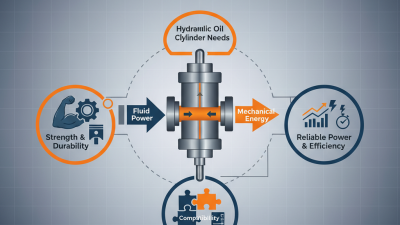
In today's industrial landscape, the demand for efficient and reliable machinery has never been greater. The hydraulic oil cylinder stands out as a crucial component in various applications. According to a 2020 market analysis by Fortune Business Insights, the global hydraulic cylinder market was valued at $11.73 billion and is expected to grow at a CAGR of 5.3% from 2021 to 2028. This growth reflects the cylinder's essential role in enhancing operational efficiency.
Hydraulic oil cylinders are integral to systems requiring high power in confined spaces. They enable precise control over force, making them vital in industries such as construction, manufacturing, and transportation. Their ability to endure high pressures and heavy loads adds to their appeal. Yet, despite these advantages, some users may overlook maintenance needs, leading to potential failures. Regular inspections are crucial to ensure optimal performance.
Moreover, the versatility of hydraulic oil cylinders demands a careful choice of materials and designs. Different applications require tailored solutions, raising questions about compatibility and efficiency. As industries evolve, so must our understanding of hydraulic systems, prompting a continuous search for improvements in design and technology. Embracing this knowledge can lead to better outcomes and fewer setbacks in industrial operations.
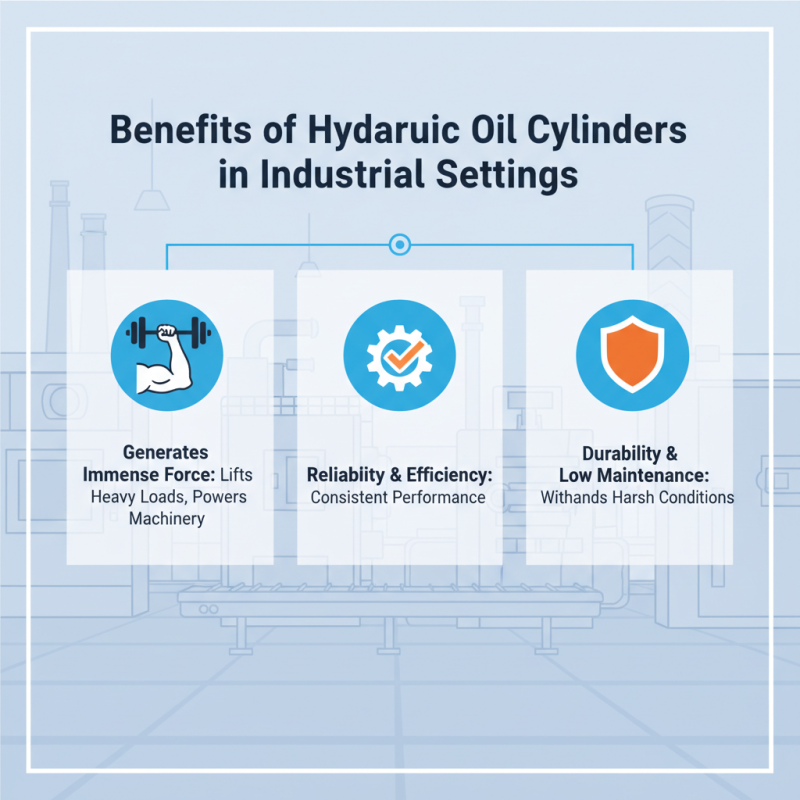
Benefits of Hydraulic Oil Cylinders in Industrial Settings
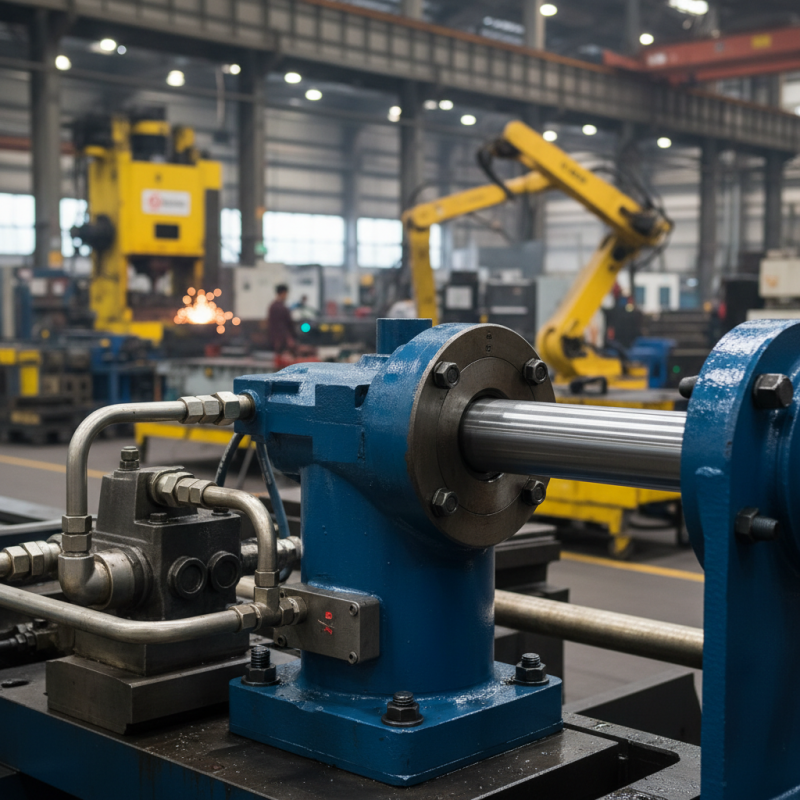
Hydraulic oil cylinders play a crucial role in various industrial applications. Their ability to generate immense force makes them ideal for tasks such as lifting heavy loads and powering machinery. This is particularly beneficial in settings that require reliability and efficiency. These cylinders are known for their durability, which translates to lower maintenance costs over time. They can withstand harsh conditions, making them suitable for diverse environments.
Tips: Regularly inspect hydraulic systems. Look for leaks and signs of wear. Preventative maintenance goes a long way.
Another advantage of hydraulic oil cylinders is their precise control. Operators can easily adjust the force and movement, enhancing productivity. This adaptability is significant in environments like manufacturing and construction. By using hydraulic systems, industries can reduce operational downtime. Precision allows for safe and effective movement of materials.
Tips: Train staff on safe hydraulic operation. It’s vital for safety and efficiency. Understand the equipment well.
Despite the numerous benefits, challenges can arise. Hydraulic systems may fail due to incorrect usage or lack of maintenance. Training employees and implementing regular checks is essential. This proactive approach can help avoid costly repairs and ensure smooth operations.
Key Features of Hydraulic Oil Cylinders for Performance Efficiency
Hydraulic oil cylinders are vital in various industrial applications. Their efficiency largely hinges on their key features. One core aspect is the cylinder's construction. A robust design ensures durability under high pressures. This durability translates into reduced maintenance costs and less downtime, an essential factor for many manufacturers.
Data indicates that companies utilizing high-quality hydraulic cylinders can see a performance increase of up to 20%. This improvement is linked to superior seal designs. High-grade seals minimize leaks, enhancing overall efficiency. Additionally, the precise alignment of moving parts is crucial. Misalignment can lead to premature wear and tear. This not only affects performance but also compromises safety.
Tip: Regular inspection of the hydraulic cylinder can help identify signs of wear. Addressing small issues can prevent larger problems down the line.
Another crucial factor is the fluid used. Using the right hydraulic oil improves the cylinder's response time and energy efficiency. Research shows that appropriate viscosity can enhance performance by as much as 15%. However, many industries still overlook the importance of choosing the right oil. Neglecting this can lead to underperformance and increased operating costs.
Tip: Always consult with an expert when selecting hydraulic oil. Making informed choices can prolong the life of your equipment and optimize performance.
Common Applications of Hydraulic Oil Cylinders in Various Industries
Hydraulic oil cylinders play a critical role in various industrial applications. Industries such as construction, manufacturing, and agriculture rely heavily on these cylinders for efficient operation. Reports indicate that hydraulic systems account for approximately 25% of the total machinery market, highlighting their significance.
In the construction sector, hydraulic cylinders are integral to heavy machinery. They enable equipment like excavators and cranes to lift and move heavy loads. The global hydraulic cylinders market is projected to reach $18 billion by 2027, driven by the growing demand for construction projects. In agriculture, hydraulic systems enhance the functionality of tractors and harvesters, allowing farmers to improve productivity and reduce manual labor.
Despite their widespread use, challenges remain. For instance, maintaining proper fluid levels and ensuring seal integrity is crucial for optimal performance. Neglecting these aspects can lead to costly downtimes and safety hazards. Industries must continuously evaluate their hydraulic systems to avoid inefficiencies and ensure reliability. Addressing these issues with proper maintenance practices is essential for sustaining operational efficiency.
Why Choose Hydraulic Oil Cylinder for Industrial Applications?
| Industry |
Common Applications |
Advantages of Hydraulic Cylinders |
| Manufacturing |
Pressing, stamping, and metal forming |
High power-to-weight ratio and precision control |
| Construction |
Excavators, bulldozers, and cranes |
Reliable performance in harsh conditions |
| Agriculture |
Tractors, harvesters, and loaders |
Excellent lifting capability and durability |
| Automotive |
Car repair lifts and assembly lines |
Fast operation and flexibility in design |
| Mining |
Drilling rigs and shovels |
High load capacity and shock absorption |
Maintenance Tips for Optimal Hydraulic Oil Cylinder Functionality
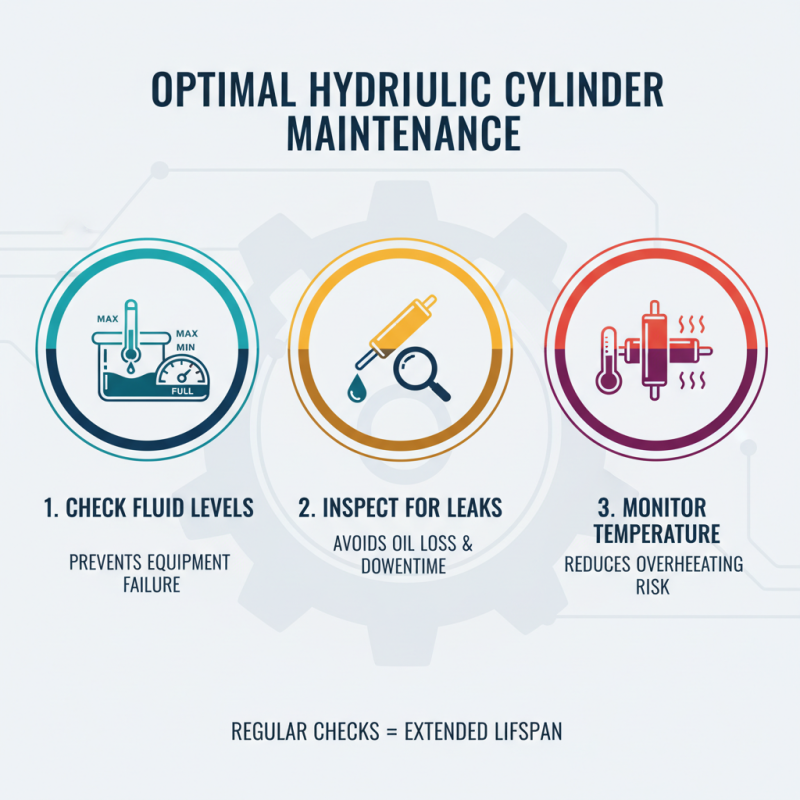
Hydraulic oil cylinders are essential in many industrial applications, offering high efficiency and durability. However, to ensure optimal performance, regular maintenance is crucial. One tip is to frequently check fluid levels. Low hydraulic oil can lead to equipment failure. Keeping a close eye on the oil can prevent leaks or overheating.
Another important aspect is the inspection of seals and fittings. These components can wear out over time. Look for signs of wear or leaks. Early detection can save costly repairs later. Proper lubrication of moving parts is vital. It reduces friction and prevents premature wear.
Finally, keep the work environment clean. Dust and debris can affect the hydraulic cylinder's functionality. Regular cleaning can extend its lifespan. While it's easy to overlook these details, consistent maintenance makes a significant difference. Ensure the equipment operates within its specified parameters. Adjustments may be necessary to maintain efficiency.
Comparing Hydraulic Oil Cylinders with Alternative Actuation Systems
When evaluating actuation systems for industrial applications, hydraulic oil cylinders stand out. Their strength and power provide a significant advantage over other options. Pneumatic systems, for example, often struggle with efficiency and are limited in force output. In contrast, hydraulic systems can deliver substantial force in a compact design, making them suitable for heavy lifting and precise movements.
Electromechanical systems are another alternative. While they offer excellent control and speed, they may lack the robustness of hydraulic cylinders in harsh environments. Hydraulic systems excel under high load conditions and are often more reliable in demanding applications. However, their complexity can be a concern, as periodic maintenance is necessary to ensure optimal performance.
Hydraulic oil cylinders require proper installation and knowledge of fluid dynamics. This can be a learning curve for some. Users may find their performance degrading if not maintained correctly. Observing the nuances of each system allows for informed decisions on the best fit for specific applications, highlighting the importance of understanding industrial needs.
Comparison of Actuation Systems for Industrial Applications