How to Choose the Best Telescopic Cylinders Underbody?
Choosing the right Telescopic Cylinders Underbody is crucial for optimizing performance and reliability in various applications. Industry expert Dr. Jane Smith, a leading engineer in hydraulic systems, emphasizes, “Selecting the proper telescopic cylinder can make or break your project's success.” Her insights remind us that this decision impacts everything from safety to functionality.
When evaluating telescopic cylinders, factors like load capacity, stroke length, and material quality must be considered. Each project is unique, and not every cylinder is suitable for every task. For instance, a lightweight yet robust option may suit mobile machinery, while heavy-duty designs are better for construction equipment.
Take the time to analyze your specific needs. Experience in the field shows that overspending or choosing inferior products can lead to costly repairs or delays. Reflecting on past projects might highlight instances where poor choices caused significant setbacks. Striking the right balance between innovation and practicality is essential when selecting Telescopic Cylinders Underbody, ensuring both efficiency and durability.
Understanding the Functionality of Telescopic Cylinders in Vehicles
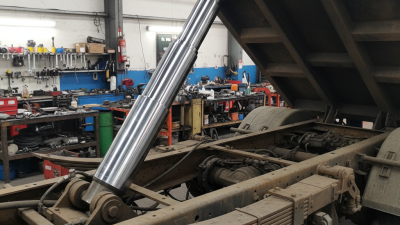
Telescopic cylinders play a pivotal role in the operation of various vehicles. They enable efficient load handling and are crucial for applications like dump trucks and refuse vehicles. These cylinders are designed to extend and retract, providing the necessary force to lift heavy materials. According to industry reports, the global market for hydraulic cylinders was estimated to be valued at $16 billion in 2021 and is projected to grow steadily. This indicates a rising demand for high-quality telescopic cylinders.
Understanding how these cylinders work is essential for selecting the right one. They typically consist of multiple nested tubes, which allow significant stroke lengths relative to their collapsed size. This design is advantageous in tight spaces. However, not all telescopic cylinders are created equal. Some may have weaknesses in sealing, leading to leaks and decreased efficiency over time. It’s important to consider factors such as material quality, load ratings, and the environment in which the vehicle will operate.
Many manufacturers provide detailed specifications, yet sometimes these may lack clarity. Blindly trusting these figures can lead to oversights. Users should ensure they understand how the specifications translate to real-world performance. Reports highlight that about 15% of users experience issues due to mismatched cylinder capacities. Choosing the best telescopic cylinder requires careful scrutiny of both technical data and real-life application experiences.
Key Factors to Consider When Selecting Telescopic Cylinders
When selecting telescopic cylinders for underbody applications, key factors must be considered. The design and construction of these cylinders influence their performance and durability. Look for materials that withstand harsh environments while maintaining strength. Corrosion resistance is crucial for longevity, especially in outdoor settings.
Another critical aspect is the load capacity. Assess your specific needs and choose cylinders that can handle the maximum load with a safety margin. Misjudging this can lead to mechanical failures or accidents. Additionally, stroke length is vital. Longer strokes provide more flexibility but may require more space.
Finally, consider the vendor's reputation. Experienced suppliers often provide better technical support and reliable products. Research user reviews and industry feedback. This can reveal potential issues with specific models. Balancing these factors will enhance the selection process, leading to better performance in critical applications.
Evaluating Load Capacity and Performance Specifications
When selecting telescopic cylinders for underbody applications, evaluating load capacity is crucial. Load capacity refers to the maximum weight the cylinder can support. Understanding the specific needs of your application will help you choose wisely. Consider the weight of the loads you will be lifting or moving. Assessing this factor prevents overloading, which can lead to premature wear or failure.
Performance specifications also play an important role. Look at the stroke length and retraction speed. These dimensions affect how efficiently the cylinder operates. For example, a longer stroke may be necessary for certain applications, while a quicker retraction can enhance productivity. It's essential to balance these factors based on your particular situation.
Testing different configurations is a wise approach. Sometimes, choices that seem ideal on paper may not perform as expected in practice. Observing how a cylinder handles real-world conditions can reveal limitations or strengths not indicated by specifications alone. Remember, the best choice may not be apparent at first glance. Continuous evaluation and adjustments are key to achieving optimal performance.
Materials and Construction: Choosing Durable Telescopic Cylinders
When selecting telescopic cylinders for underbody applications, material choice plays a critical role. High-quality steel often proves to be the most durable option. Steel can withstand high stress and resist bending. Aluminum can be lighter, but it may not provide the same strength. Each material has its pros and cons. Consider the specific demands of your application.
**Tips:** Always evaluate the load requirements. Ensure the chosen material can handle the expected weight. Look into corrosion-resistant coatings. This is crucial for extending the lifespan.
Construction quality matters as much as material type. Look for cylinders that undergo rigorous testing during manufacturing. Well-designed seals and connections improve performance. Improper construction can lead to leaks or failures. Understand the construction techniques used in the cylinder’s production. It's essential to ask about manufacturing standards and certifications.
**Tips:** Don't overlook reviews from professionals. Real-world experiences can highlight potential issues. Inspect product specifications thoroughly. A detailed scrutiny can uncover hidden weaknesses.
Durability Comparison of Telescopic Cylinder Materials
Comparing Brands and Models for Optimal Selection
When selecting telescopic cylinders, it's crucial to evaluate various brands and models. Different manufacturers offer unique specifications that may suit different needs. A recent industry report noted that cylinder efficiency impacts overall performance significantly, often determining the lifespan of hydraulic systems. Detailed comparisons can help identify which features truly matter.
Consider aspects like cylinder bore, stroke length, and load capacity. A cylinder with the right specifications can optimize both space and performance. Reports show that improperly sized cylinders can lead to mechanical failures, costing time and money. Look for cylinders designed with high-quality materials to ensure durability and reliability.
Tips: Examine customer reviews for insights on performance longevity. Don't overlook warranty details; they can indicate a manufacturer's confidence. Assess product certifications that ensure safety and compliance with industry standards. Always remember to weigh your options carefully, as the wrong cylinder can lead to costly operational inefficiencies.