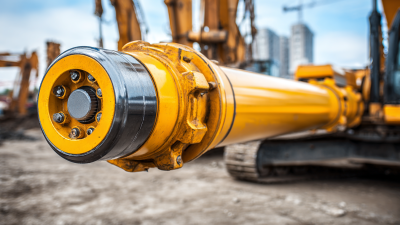
How to Choose the Right Excavator Hydraulic Cylinder for Your Needs
When selecting the appropriate Excavator Hydraulic Cylinder for your specific applications, it is essential to consider various factors that affect performance and efficiency. According to a report by MarketsandMarkets, the global hydraulic cylinder market is projected to reach $18.8 billion by 2025, with construction machinery exhibiting one of the highest growth rates. This surge is indicative of the increasing reliance on hydraulic systems in construction and excavation processes, highlighting the importance of choosing the right component for optimal functionality.
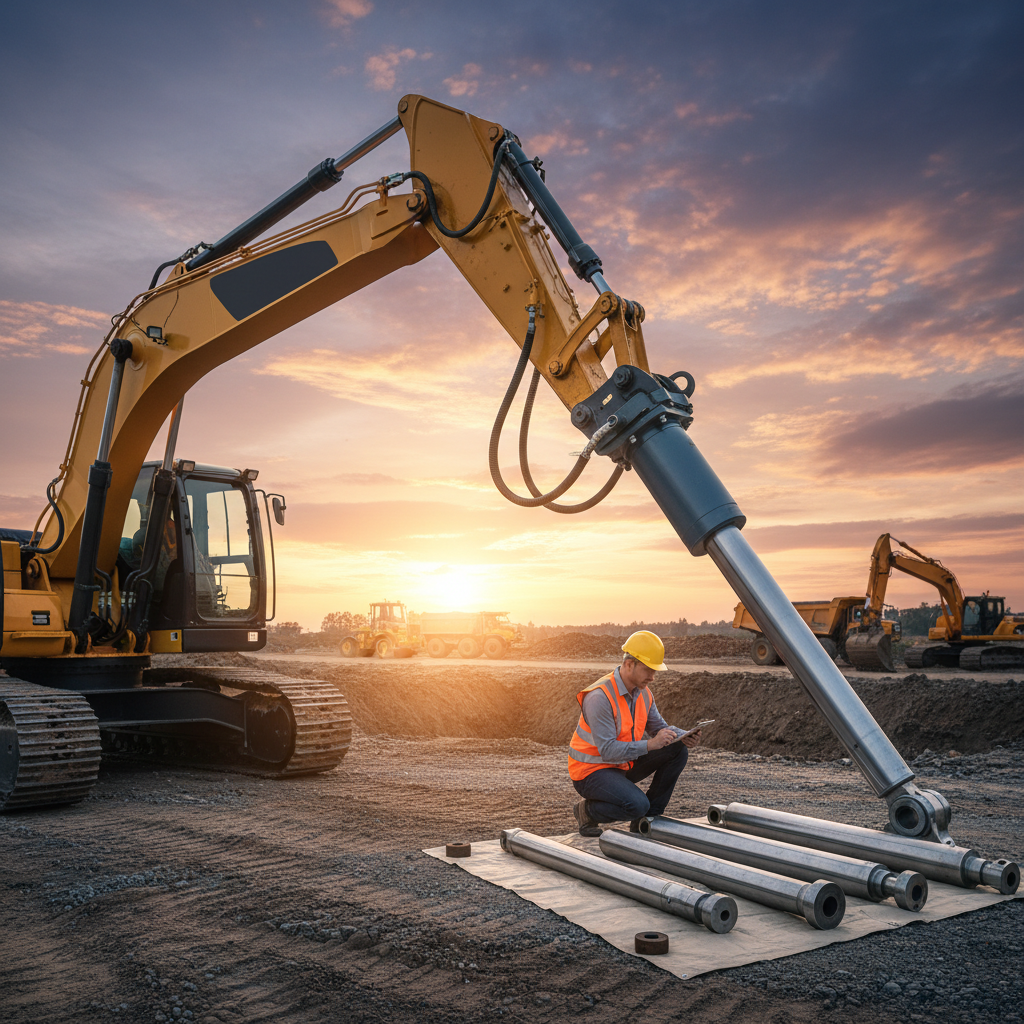
The Excavator Hydraulic Cylinder is a critical element that affects the entire operation of excavation machines. A well-chosen hydraulic cylinder can enhance power output, improve fuel efficiency, and reduce maintenance costs. For instance, a study by Research and Markets emphasizes that the performance of hydraulic systems directly correlates with the advancements in cylinder technology, affecting not only excavation efficiency but also safety in operations. Therefore, understanding the key specifications and features of various hydraulic cylinders is imperative for industry professionals aiming to maximize their equipment's potential and longevity.
Understanding the Different Types of Excavator Hydraulic Cylinders
When selecting the right excavator hydraulic cylinder, it is essential to understand the various types available, as each serves specific functions and has unique specifications. Generally, excavator hydraulic cylinders fall into three primary categories: boom cylinders, arm cylinders, and bucket cylinders. According to industry reports, boom cylinders are responsible for lifting the entire arm assembly, providing significant lifting power, while arm cylinders extend and retract the arm, offering flexibility in movement and reach. Bucket cylinders, on the other hand, control the movement of the bucket, allowing for precise digging and loading operations.
Data from the Hydraulic Institute indicates that the efficiency of hydraulic cylinders can significantly impact overall excavator performance, with well-designed cylinders contributing to up to 20% faster cycle times. Furthermore, the choice of materials and design specifications can enhance durability and resistance to wear and tear, crucial for heavy-duty applications. When assessing hydraulic cylinders, factors such as operating pressure, stroke length, and bore size must align with the excavator's specifications and the intended usage to ensure optimal functionality. Understanding these differences provides an invaluable framework for making an informed choice tailored to specific operational needs.
Key Specifications to Consider for Hydraulic Cylinder Selection
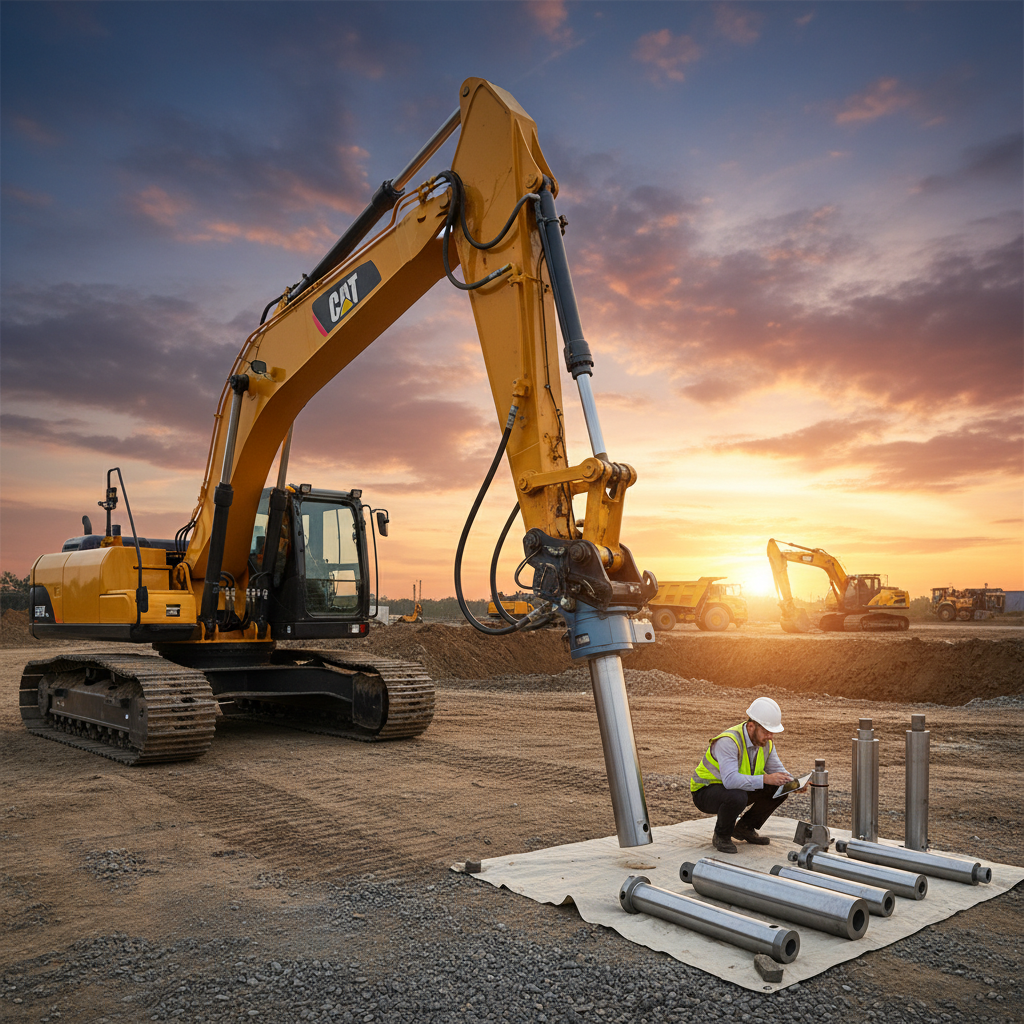 When selecting the right hydraulic cylinder for your excavator, understanding key specifications is crucial to ensure optimal performance. The first consideration is the cylinder’s bore size, which directly affects its lifting capacity. A larger bore can provide more force, making it suitable for heavy-duty applications. Additionally, you should evaluate the stroke length, which determines how far the cylinder can extend. This measurement should align with the specific range of motion needed for your tasks.
Another important specification is the cylinder’s operating pressure. Ensure that the cylinder can handle the pressure produced by your excavator's hydraulic system. Exceeding this limit can lead to cylinder failure and costly repairs. Consider the material and construction of the cylinder as well to ensure durability. Hydraulic cylinders made from high-quality materials will withstand harsh operating conditions more effectively.
Tips: Always consult with manufacturers about the compatibility of the hydraulic cylinder with your excavator model. Keep in mind that a well-matched cylinder can enhance efficiency and reduce the likelihood of mechanical issues. Regular maintenance checks and monitoring will help in prolonging the lifespan of your hydraulic components.
Assessing Load Capacity and Performance Requirements
When selecting the right hydraulic cylinder for an excavator, understanding the load capacity and performance requirements is crucial. According to a report by the American Society of Civil Engineers (ASCE), the efficiency of excavators can improve significantly when the hydraulic system is matched correctly to the operational demands. Key performance indicators like breakout force and lifting capacity determine which hydraulic cylinder is suitable for specific applications, whether it's trenching, lifting, or material handling.
Tips: Always check the maximum load specifications of both the excavator and the hydraulic cylinder. A mismatch can lead to decreased performance or even failure. Additionally, consider factors such as the working pressure and cycle time, as these will affect the cylinder's ability to perform under different loads efficiently.
Moreover, it's essential to analyze the operating conditions. A study by the International Journal of Mobile and Marine Robotics reported that operational environments, such as temperature extremes and soil conditions, can significantly impact hydraulic performance. For instance, heavy-duty applications may require cylinders with reinforced seals and materials to withstand higher pressures and abrasive conditions.
Tips: Consult manufacturers' data sheets for load ratings, and consider engaging with a hydraulic specialist to assess your specific needs, ensuring optimal performance and reliability in your excavator operations.
Evaluating Compatibility with Your Excavator Model
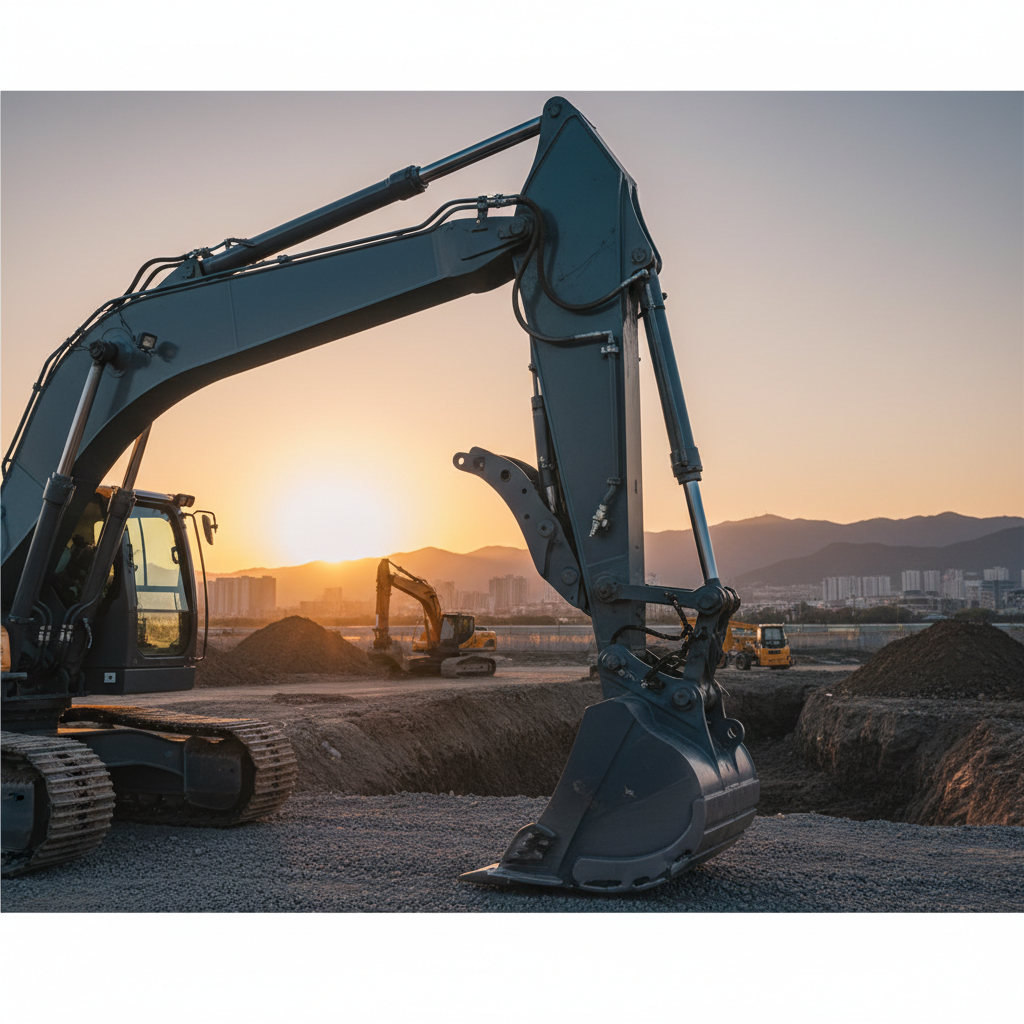
When selecting the right hydraulic cylinder for your excavator, compatibility with your specific excavator model is paramount. Each excavator model has distinct requirements regarding pressure ratings, stroke lengths, and mounting configurations. To begin, consult your excavator’s manual or manufacturer specifications to identify the exact hydraulic cylinder model originally used. This information will serve as a baseline for finding compatible alternatives that match or exceed the original performance metrics.
Furthermore, consider the hydraulic flow rate and the type of hydraulic fluid your excavator uses, as these factors can significantly influence the performance and longevity of the hydraulic cylinder. It is also essential to examine the mounting style—whether it is pin-type or clevis-type—and verify that the cylinder you select can be attached effectively without requiring extensive modifications. By meticulously evaluating these compatibility aspects, you can ensure that the hydraulic cylinder you choose will operate efficiently, extending the life and performance of your excavator.
Excavator Hydraulic Cylinder Compatibility Evaluation
Maintenance Considerations for Long-lasting Hydraulic Cylinders
When it comes to maintaining hydraulic cylinders, ensuring longevity is crucial, especially in industrial applications where downtime can be expensive. Preventive maintenance stands out as a fundamental strategy. Monitoring fluid levels, checking for leaks, and maintaining system cleanliness are essential practices that can significantly extend the lifespan of hydraulic cylinders. Recent insights into the hydraulics market indicate a robust growth trajectory, projected to reach $44.26 billion by 2030, emphasizing the increasing demand for efficient hydraulic systems across various sectors.
Additionally, companies like Logan Industries have recognized the importance of comprehensive maintenance programs, particularly for large hydraulic cylinders used in demanding environments such as oil and gas. Implementing a structured repair and inspection regimen not only prevents catastrophic failures but also allows for the timely addressing of potential issues before they escalate. Utilizing strategies like condition monitoring and regular servicing can greatly enhance operational efficiency and reliability, making it vital for businesses to prioritize maintenance to protect their investments in hydraulic technology.
How to Choose the Right Excavator Hydraulic Cylinder for Your Needs - Maintenance Considerations for Long-lasting Hydraulic Cylinders
| Dimension |
Measurement |
Material |
Purpose |
Maintenance Tips |
| Bore Diameter |
50 mm |
Steel Alloy |
Lifting Heavy Loads |
Regularly check for wear and tear. |
| Rod Diameter |
45 mm |
Chrome Plated |
Pushing and Pulling |
Lubricate seals and pivot points. |
| Cylinder Length |
800 mm |
Aluminum Alloy |
Reach in Excavation |
Inspect for leaks regularly. |
| Stroke Length |
600 mm |
Forged Steel |
Adjusting Position |
Keep the cylinder clean. |
| Working Pressure |
200 bar |
Stainless Steel |
High-load Applications |
Monitor pressure limits. |