index-bg-11

2026 How to Choose the Right Excavator Hydraulic Cylinder?

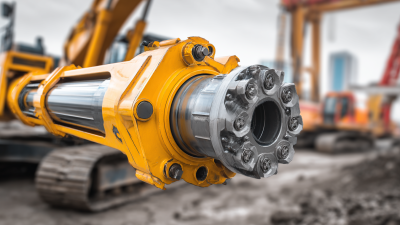
Choosing the right Excavator Hydraulic Cylinder is crucial for construction efficiency. According to industry reports, up to 30% of machinery downtime is due to hydraulic system failures. This underscores the importance of selecting high-quality components.

The Excavator Hydraulic Cylinder plays a vital role in transferring power. It affects the machine's performance and productivity directly. For instance, a poor-quality cylinder can lead to leaking fluids and decreased lifting capabilities.

Understanding specifications is essential. Not all cylinders are built the same. A mismatch can lead to costly repairs and operational delays. Buyers should consider not just the size but also the pressure ratings and material quality. Investing time in research can lead to better choices and ultimately, smoother operations.
2026 How to Choose the Right Excavator Hydraulic Cylinder?

Understanding Excavator Hydraulic Cylinder Functionality
2026 How to Choose the Right Excavator Hydraulic Cylinder?

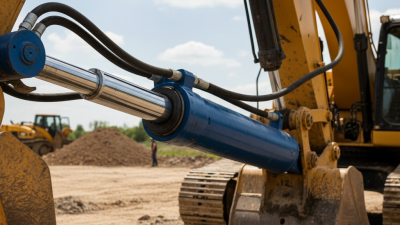
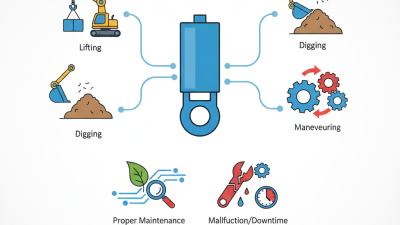
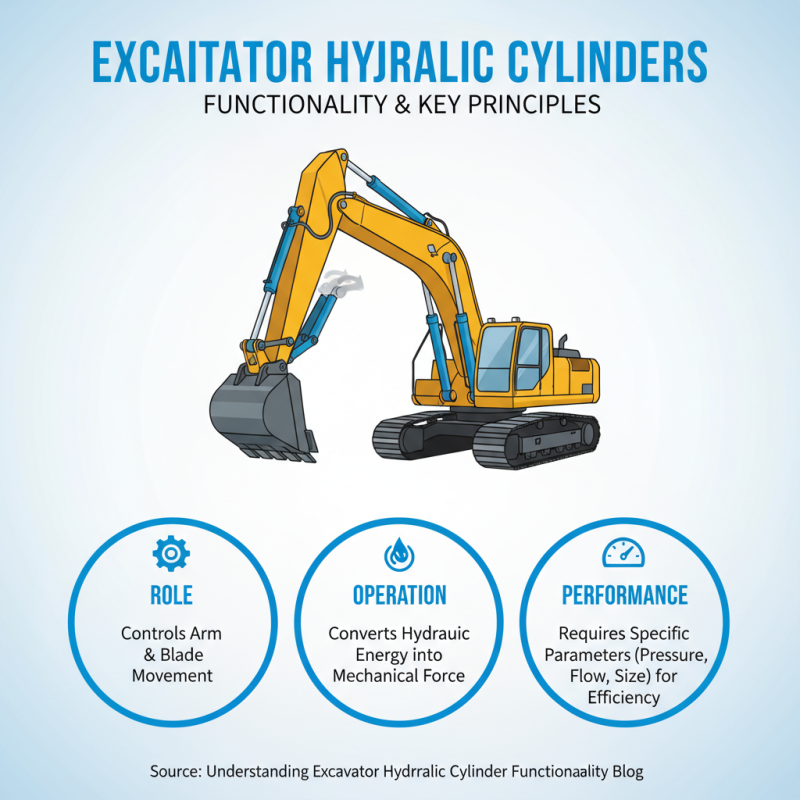
Excavator hydraulic cylinders play a critical role in how excavators function. These cylinders are responsible for controlling the arm and blade of the machine. They operate by converting hydraulic energy into mechanical force. Each cylinder requires specific parameters to perform well.

Understanding the size, pressure rating, and stroke length of the cylinder is crucial. Size affects the lifting capacity and reach of your excavator. A cylinder that is too small will struggle, while one that is too large can lead to mechanical strain. Pressure ratings determine how much force the cylinder can handle, impacting performance and safety.

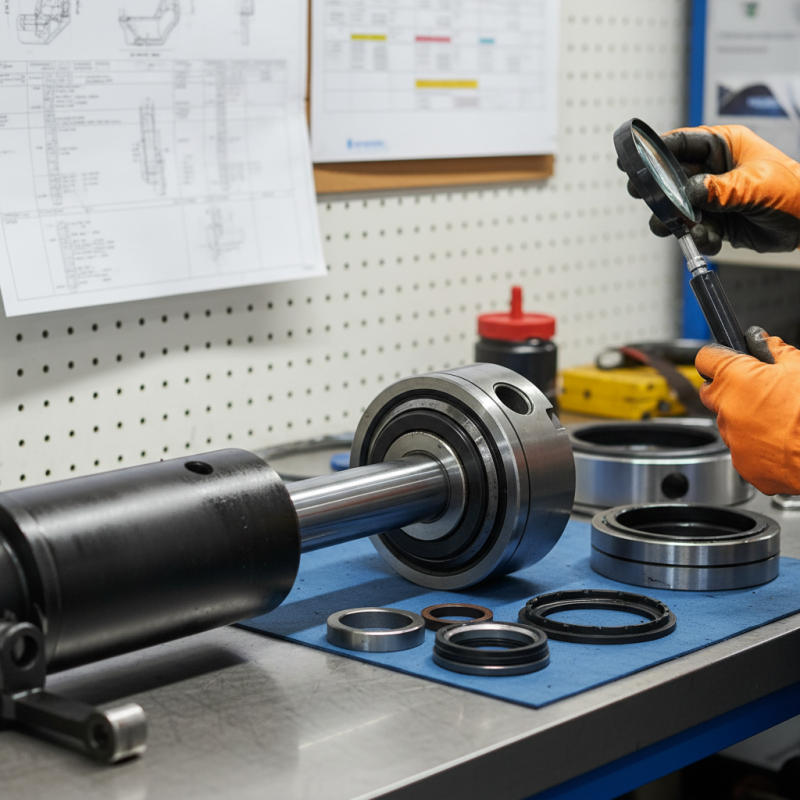
Maintenance is also key in ensuring the functionality of these hydraulic systems. Regular checks can reveal leaks or wear that needs attention. Ignoring these signs often leads to breakdowns. However, many operators overlook routine maintenance due to time constraints. This neglect can lead to costly repairs. A proactive approach is essential for optimal performance.
Identifying Key Specifications for Excavator Hydraulic Cylinders

When selecting an excavator hydraulic cylinder, understanding key specifications is essential. Hydraulic cylinders must meet specific application needs. This includes considering the bore diameter, stroke length, and pressure ratings. Research shows that cylinders with a 4-inch bore typically support 30 tons of lifting capacity. In contrast, those with a 6-inch bore can handle nearly 50 tons. Choosing the right size is crucial for effective performance.

Tip: Always evaluate the operating environment. Extreme temperatures can affect cylinder performance. Opt for cylinders rated for temperature fluctuations if you work in harsh conditions. This can improve durability and reliability.

Another key specification is the mounting style. Different excavators may require different mounting options. Pin-style mounts are commonly used, but variations exist. Make sure the chosen cylinder's mount matches your excavator’s design. Inaccurate matching could lead to failure or inefficiency. Always consult technical data and verify compatibility.

Tip: Conduct regular maintenance. Inspecting seals and hoses can prevent leaks. Leaks not only reduce efficiency but also increase costs. Taking time to address small issues can lead to significant savings in the long run.

Evaluating Compatibility with Your Excavator Model

2026 How to Choose the Right Excavator Hydraulic Cylinder?

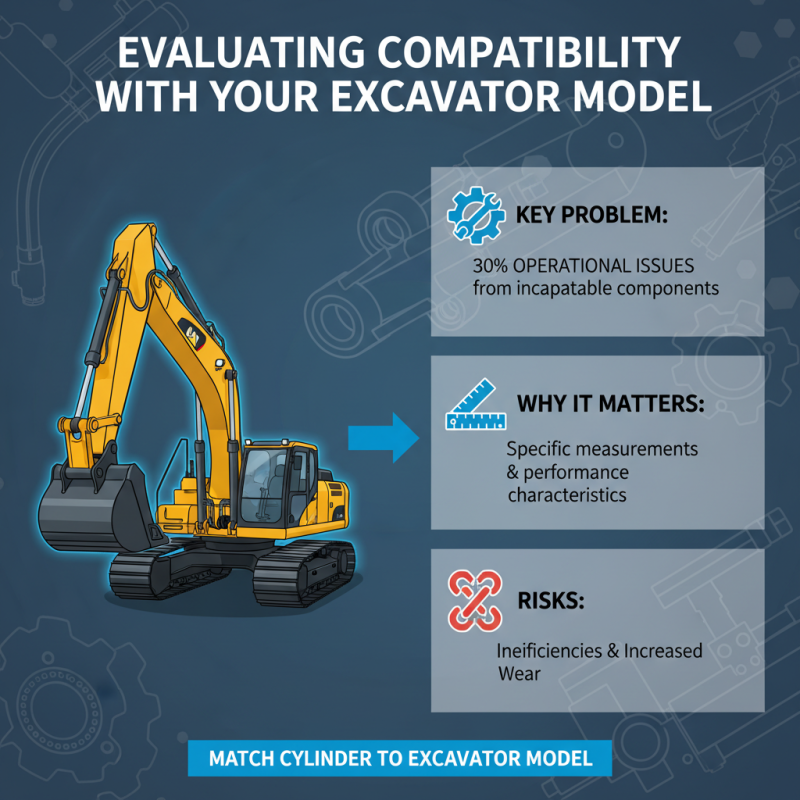
When selecting the right hydraulic cylinder for your excavator, compatibility with your specific model is crucial. Studies indicate that 30% of operational issues arise from using incompatible components. Each hydraulic cylinder has specific measurements and performance characteristics tailored to particular excavator models. Ignoring these specifications can lead to inefficiencies and increased wear.

It's essential to check the specifications of your excavator. This includes stroke length, bore size, and pressure ratings. For instance, many excavators operate at a standard pressure range of 3,000 to 5,000 PSI. Using a cylinder that can’t handle the maximum pressure can lead to failure and costly repairs. It's not just about fit; the performance of the hydraulic system is interconnected with the entire machinery.

Keep in mind that installation factors also play a role. Incorrect mounting can affect the hydraulic system's performance, regardless of compatibility. In fact, a report highlighted that improper installation increases failure rates by up to 25%. It’s vital to consider each detail, from mounting hardware to alignment. Reflecting on these nuances ensures not just a better fit, but also enhances the machine's overall longevity and effectiveness.

Assessing Load Capacity and Performance Requirements

Selecting the right hydraulic cylinder for an excavator hinges on two main factors: load capacity and performance. Assessing these requirements can be challenging. Understanding how much weight the hydraulic cylinder must lift is critical. Knowing the exact load can prevent costly mistakes. Sometimes, operators underestimate or overestimate their lift needs.

Performance is equally important. Does the cylinder generate the necessary force for efficient digging? A mismatch in performance can lead to operational inefficiency. For example, a cylinder with insufficient force can slow down work progress. On the other hand, too much power may cause system strain. It’s essential to balance these elements.

Each project brings unique challenges. Terrain, load type, and work duration also play roles in choosing the right cylinder. Failing to consider these factors can result in frequent breakdowns. A careful examination of all aspects ensures better performance and longevity. Always reflect on past projects to address any shortcomings before making a new selection.

2026 How to Choose the Right Excavator Hydraulic Cylinder?

This chart illustrates the key performance metrics to consider when selecting an excavator hydraulic cylinder, including load capacity (in tons) and extension speed (in mm/sec) across different models.

Considering Maintenance and Support Options for Hydraulic Cylinders

Hydraulic cylinders are essential for excavators. Choosing the right model involves more than just specifications. Maintenance and support options play a vital role. A 2022 industry report stated that nearly 30% of hydraulic failures are due to inadequate maintenance. This statistic highlights the importance of regular checks and servicing.

When selecting a hydraulic cylinder, consider the availability of maintenance services. Ensure technicians are skilled in hydraulic systems. Local support can significantly reduce downtime. Regular inspections can help identify early signs of wear and tear. Ignoring these signs can lead to serious breakdowns and costly repairs.

Data suggests that proactive maintenance can increase equipment lifespan by 40%. For operators, this means lower overall costs. However, many still overlook maintenance schedules. It's often hard to prioritize until something breaks. Investing in support options can enhance performance and reliability in the long run. Emphasizing maintenance will keep your equipment operating efficiently.

2026 How to Choose the Right Excavator Hydraulic Cylinder? - Considering Maintenance and Support Options for Hydraulic Cylinders

Dimension Type Weight Capacity (tons) Maintenance Frequency Support Options
Small Single Acting 5 Quarterly Email and Phone Support
Medium Double Acting 10 Biannual 24/7 Phone Support
Large Telescopic 20 Monthly On-site and Online Training
Extra Large Specialized 30 Annual Dedicated Account Manager