2026 Best Dump Truck Hydraulic Hoist Options for Efficient Construction?
The construction industry is rapidly evolving, and machinery plays a crucial role in this transformation. A reliable Dump Truck Hydraulic Hoist is essential for efficient operations. According to a report by IBISWorld, the construction industry is expected to reach $1.6 trillion in the U.S. by 2026, highlighting the growing demand for innovative equipment.
Dump truck hydraulic hoists improve material handling and site productivity. These hoists allow for quicker unloading, thus saving time and labor costs. However, not all hydraulic hoists are created equal. Selecting the wrong model can lead to inefficiencies and increased maintenance. One recent study found that choosing an appropriate hydraulic system can boost productivity by up to 30%.
Despite advances in technology, challenges remain. Some models may struggle under heavy loads, affecting performance. Moreover, maintenance and repair costs can become significant over time. Therefore, it is vital for construction companies to carefully evaluate their options. Ensuring that you select the best Dump Truck Hydraulic Hoist can greatly impact overall project success.
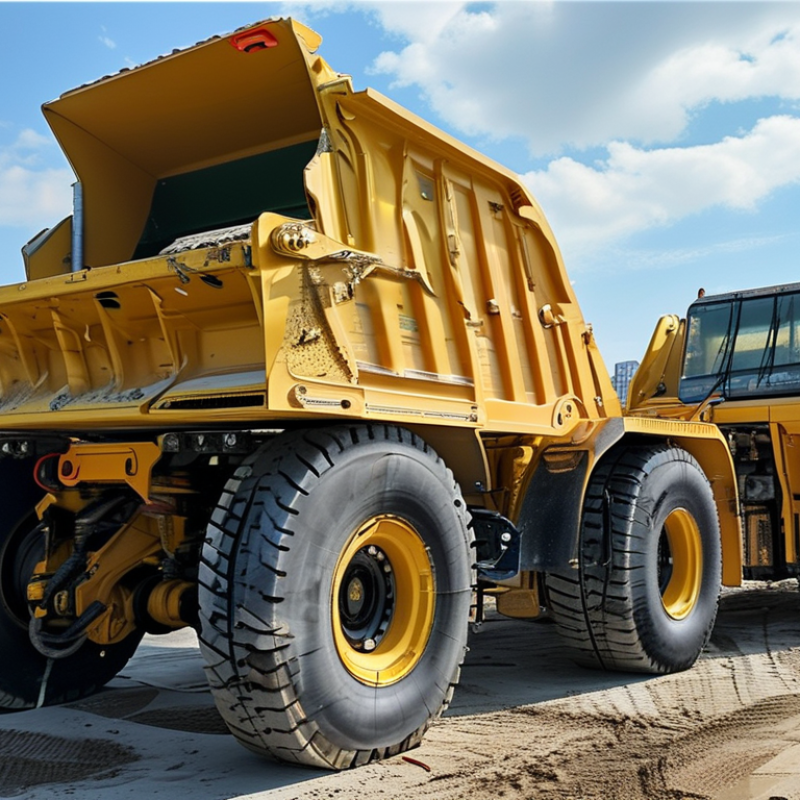
Overview of Dump Truck Hydraulic Hoists and Their Importance in Construction
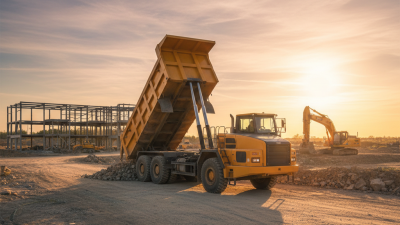
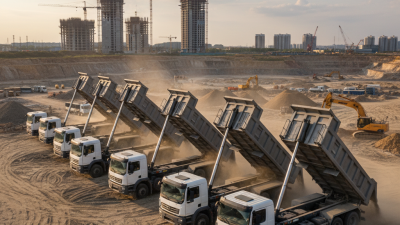
Dump truck hydraulic hoists play a vital role in the construction industry. They enhance productivity by allowing quick and efficient unloading of materials. This capability is crucial for projects that require large quantities of gravel, sand, or debris. Without these hoists, manual unloading would be slow and labor-intensive, increasing project timelines and costs.
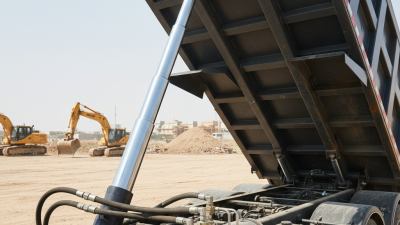
Hydraulic hoists operate on a simple mechanism. They utilize hydraulic fluid to lift and lower the truck bed, which efficiently dumps its load. Maintenance of these systems is essential. If not properly maintained, complications can arise, leading to costly repairs or failures during critical operations. Regular checks on hydraulic fluid levels and connections can mitigate such risks.
Understanding the limitations of hydraulic hoists is also important. They may not be suited for all materials, particularly heavy or bulky items. Operators must be trained to recognize loading capacities and safety protocols. Improper usage can lead to accidents on-site. An informed approach enhances both safety and efficiency in construction projects.
Key Features to Consider When Choosing a Hydraulic Hoist for Dump Trucks
When selecting a hydraulic hoist for dump trucks, key features are critical. A robust hydraulic system is essential for efficient lifting and lowering of loads. Studies show that a proper hydraulic system can improve lifting efficiency by up to 30%. This is crucial for construction projects requiring quick turnover times.
Weight capacity is another important factor. Hydraulic hoists need to accommodate the maximum load expected for construction tasks. A hoist with a capacity exceeding the truck's load limit is advisable. Data indicates that many accidents stem from overloading hoists, leading to costly downtime and safety risks.
Durability is vital as well. Hoists must withstand harsh construction environments. Selection criteria should include weather-resistant materials and corrosion prevention features. The longevity of a hoist reflects its manufacturer’s quality standards. Investing in proven reliability can save money in repairs and replacements over time. Considering these factors will lead to a more efficient and safer construction experience.
2026 Best Dump Truck Hydraulic Hoist Options
This chart displays the average specifications of hydraulic hoists suitable for dump trucks in 2026, including lift capacity, cycle time, weight, material strength, and cost. These metrics are crucial for optimizing efficiency in construction tasks.
Comparison of Top Hydraulic Hoist Brands for Dump Trucks in 2026
When comparing hydraulic hoist options for dump trucks in 2026, several factors are crucial for efficiency. The durability of materials plays a significant role. Reports estimate that high-quality hydraulic systems can experience failure rates as low as 2% when properly maintained. However, many operators overlook regular inspections, which can lead to inefficiencies and costly downtime.
Another important aspect to consider is lifting capacity. The average hydraulic hoist ranges from 8 to 14 tons, depending on design and construction needs. Choosing a hoist that suits specific project demands can vastly improve operational efficiency. Yet, many might select a hoist based on price rather than specifications with a heavy focus on output. This method can result in choosing a system that struggles under load, causing delays.
Feedback from professionals indicates that responsiveness of the hydraulic system is often underestimated. Many users report that hydraulic speed can vary significantly across brands. A hoist that lifts loads just 2-3 seconds faster can make a noticeable difference in productivity. However, this area often requires subjective evaluation, making it essential for users to test equipment before making a purchase.
Maintenance Tips for Long-lasting Performance of Dump Truck Hydraulic Hoists
Maintaining the hydraulic hoist of a dump truck requires attention to detail. Regular inspections are essential. According to industry reports, neglecting maintenance can lead to a 30% decrease in performance efficiency. Frequent checks on fluid levels and potential leaks can save time on repairs.
Additionally, ensure proper greasing of all moving components. A well-lubricated hoist can extend its lifespan significantly. Research indicates that hoists with regular lubrication practices show a 25% increase in durability. Many operators overlook this simple yet crucial step, leading to premature wear.
Operator training is another key aspect. Understanding the hydraulic system can prevent common mistakes that affect performance. Reports suggest that 40% of hydraulic failures stem from operator error. Investing time in training can yield significant returns in efficiency and safety. Making these adjustments can enhance not only performance but also the safety of operations.
2026 Best Dump Truck Hydraulic Hoist Options for Efficient Construction
| Model |
Lifting Capacity (lbs) |
Weight (lbs) |
Cylinder Type |
Hydraulic Fluid Type |
Maintenance Frequency (Months) |
| Heavy Duty 1 |
20,000 |
1,500 |
Double-acting |
AW32 |
6 |
| Medium Duty 2 |
15,000 |
1,200 |
Single-acting |
AW46 |
12 |
| Light Duty 3 |
10,000 |
900 |
Single-acting |
AW32 |
12 |
| Compact Duty 4 |
8,000 |
800 |
Double-acting |
AW32 |
6 |
Safety Considerations When Operating Hydraulic Hoists on Construction Sites
Operating hydraulic hoists at construction sites requires careful attention to safety. Workers must understand the equipment thoroughly. Regular training ensures that operators know the hoist's limits and capabilities. This knowledge minimizes accidents and improves efficiency.
Preventive measures are crucial. Inspecting the hoists for wear and tear can prevent failures during operation. Often, workers overlook the importance of daily checks. A small problem can escalate into a major safety hazard. It is vital to create a culture of safety awareness on the site. Workers should feel comfortable reporting potential issues.
Communication plays a significant role in safe operations. Clear signals and consistent protocols can prevent misunderstandings. Team leaders need to reinforce safety standards regularly. Despite these efforts, accidents can still happen. Reflecting on near-miss incidents may help in identifying areas needing improvement. Continuous evaluation of safety practices is essential for a successful construction environment.