2026 Best Dump Truck Hydraulic Hoist Options to Consider?
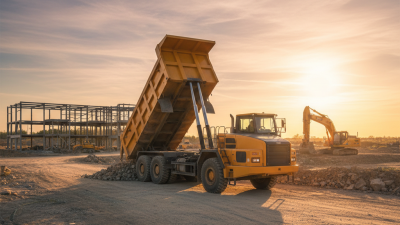
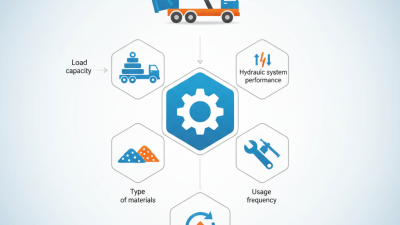
When choosing a Dump Truck Hydraulic Hoist, several factors come into play. This equipment is essential for construction and hauling jobs. An ideal hoist enhances productivity and safety on the job site. However, not all hoists are created equal.
In 2026, the market offers diverse options, each promising unique benefits. Some hoists may lack durability, while others may offer features that are not user-friendly. It's crucial to carefully evaluate the specifications and performance reviews. Some consumers overlook the importance of lift capacity and material quality.
Investing in a reliable Dump Truck Hydraulic Hoist can be a game-changer. A hoist that meets your needs can save time and reduce fatigue. However, buyers must reflect on their specific requirements and job demands. The right choice often requires a balance of quality and cost. Understanding what works best for your operation is key.
Understanding Dump Truck Hydraulic Hoists: Basics and Functionality
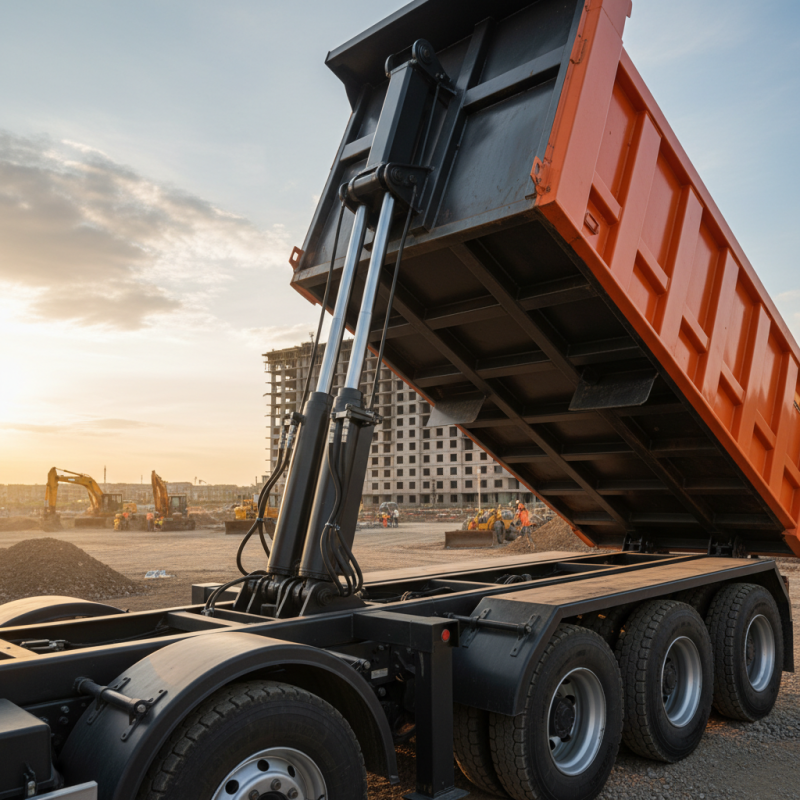
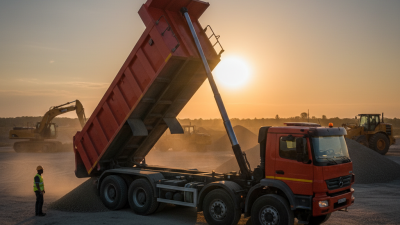
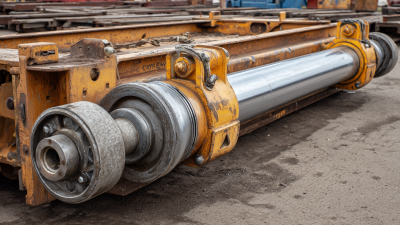
Dump truck hydraulic hoists are essential for efficient material handling. They are designed to lift and dump heavy loads with ease. Understanding their functionality can enhance operational safety and efficiency. A hydraulic hoist typically uses hydraulic cylinders to convert fluid pressure into mechanical force. This process allows the hoist to lift significant weight without labor-intensive manual effort.
Data indicates that the hydraulic systems in modern dump trucks can operate under pressures up to 3000 PSI. This high-pressure capability translates to impressive lifting capacities. For instance, many hydraulic hoists can lift loads ranging from 5 to 15 tons. However, improper maintenance or inadequate training can lead to accidents. Regular inspections and operator training are crucial for safety and performance.
In terms of design, dump truck hoists vary in structure. Some feature a single-stage cylinder for lighter loads, while others use multi-stage cylinders for heavier, bulkier materials. These design choices affect the hoist’s stability and range. Selecting the right hoist involves considering both the weight and the nature of the material being transported. Many operators overlook the importance of aligning hoist type with operational needs, which can result in inefficiencies.
2026 Best Dump Truck Hydraulic Hoist Options to Consider
| Hoist Type |
Load Capacity (lbs) |
Lift Height (ft) |
Weight (lbs) |
Material |
Price Range ($) |
| Single Acting |
10,000 |
10 |
800 |
Steel |
3,000 - 4,500 |
| Double Acting |
12,000 |
12 |
950 |
Aluminum |
4,500 - 6,000 |
| Electric Hydraulic |
15,000 |
14 |
1,200 |
Composite |
5,500 - 8,000 |
| Pneumatic |
8,000 |
9 |
700 |
Steel |
2,500 - 3,200 |
Key Features to Look for in a Hydraulic Hoist System
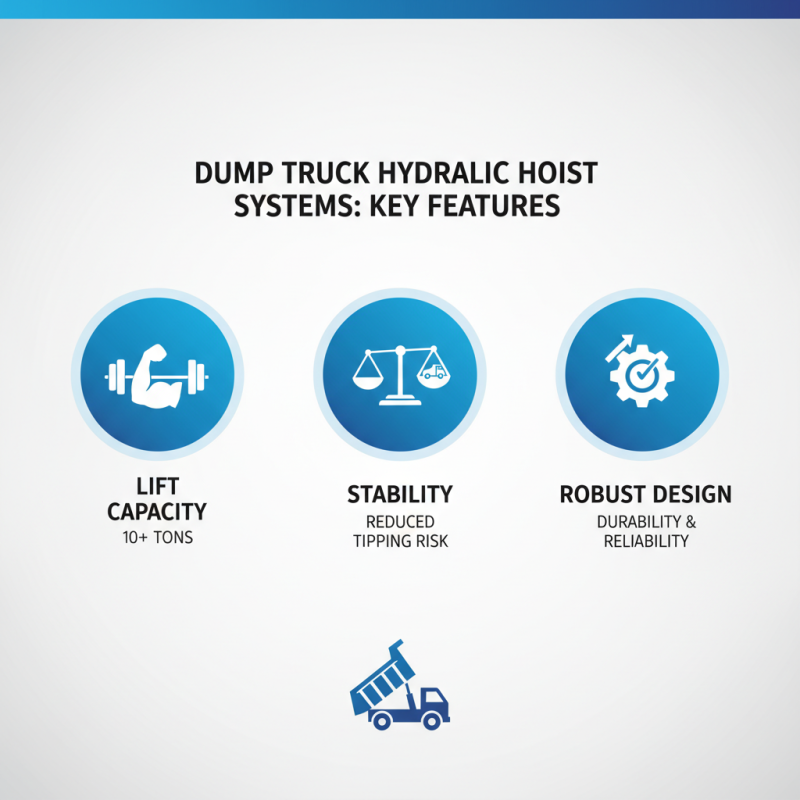
When evaluating hydraulic hoist systems for dump trucks, key features play a crucial role. The lift capacity is paramount. Generally, a hydraulic hoist should handle at least 10 tons. Reports indicate that robust systems can achieve even higher loads. Stability is another critical factor. A good hoist maintains balance during operation, reducing the risk of tipping.
Speed is also significant. Ideally, the hydraulic system should raise loads within a reasonable timeframe. A hoist that takes too long can hinder productivity. Additionally, consider the duration of operation. An efficient hydraulic system can handle extended use without overheating or loss of power.
**Tip**: Look for hoists with customizable features. This flexibility can adapt to varying tasks.
Moreover, inspect the materials used in construction. Steel and durable alloys ensure longevity but often lead to unnecessary weight. Manufacturers might overlook this balance. You want a sturdy yet lightweight hoist.
**Tip**: Research user feedback on durability. Real-world experiences can shed light on potential flaws. Always assess warranty options, indicating the manufacturer’s confidence in their product.
Top 2026 Models for Dump Truck Hydraulic Hoists: A Comparative Review
When looking for the best hydraulic hoists for dump trucks in 2026, several models stand out in performance and design. These hoists vary in capacity, making it essential to match them with specific operational needs. A 10-ton model might seem sufficient, but it's vital to consider the terrain and the material being lifted. For instance, heavier materials require more robust systems, which might be less agile.
Among the notable features to observe are the lift speed and the control mechanisms. Some hoists operate at impressive speeds, which can increase productivity on a job site. However, faster systems may complicate operation, especially for inexperienced users. Therefore, balancing speed with ease of use is critical.
Additionally, materials used in the construction of hydraulic hoists affect durability and maintenance. Lightweight materials can improve fuel efficiency, but they may not withstand rough conditions. This trade-off should be carefully evaluated. Ultimately, choosing the right dump truck hydraulic hoist involves considering multiple factors: capacity, speed, materials, and ease of operation. Striking this balance may require reflection on past project experiences and job site demands.
Maintenance Tips for Prolonging the Life of Hydraulic Hoists
Proper maintenance of hydraulic hoists is crucial for longevity. Regular inspections are essential. Check for leaks, rust, and wear. Schedule these inspections monthly. Ignoring small issues can lead to bigger problems later. Pay attention to hydraulic fluid levels. Low fluid can cause erratic performance.
Lubrication is another key factor. Apply lubricant to moving parts regularly. It helps reduce friction. Make sure to clean the hoist after every use. Remove dirt and debris. This simple action can extend its lifespan.
Always be cautious when operating the hoist. Overloading it can cause damage. Follow the manufacturer's guidelines on weight limits. Take time to train operators effectively. Neglecting proper operation can lead to accidents and equipment failure. Regular training sessions might feel tedious, but they pay off in safety and efficiency.
2026 Best Dump Truck Hydraulic Hoist Options
The bar chart above displays the lift capacity (in tons) of various hydraulic hoist options to consider for dump trucks in 2026. This data can help in selecting the most suitable hydraulic hoist based on specific lifting requirements.
Cost Analysis: Budgeting for Dump Truck Hydraulic Hoist Investments
When considering a dump truck hydraulic hoist, budgeting plays a significant role. Start by analyzing the initial costs. Prices can vary widely based on the hoist type and load capacity. Basic hydraulic hoists may cost less, but they might not meet heavy-duty needs. It’s crucial to assess your requirements carefully. A more expensive option might save you money in the long run.
Don’t overlook maintenance costs. Regular maintenance is essential for longevity. If you neglect this, repairs can skyrocket. Factor in these costs when planning your budget. Also, think about the downtime. If your hoist fails, your business might suffer. Availability of spare parts can affect this too.
Training workers is another aspect often missed. Proper training can prevent accidents and reduce wear. Unexpected incidents can lead to additional expenses. Balancing quality and cost is challenging. Sometimes, a cheaper option might lead to higher costs down the line. Always reflect on these factors as you move forward with your investment.