index-bg-11

2026 Top Dump Truck Hydraulic Hoist Types for Global Buyers?

Choosing the right Dump Truck Hydraulic Hoist in 2026 requires more than comparing lifting capacity.

Global buyers must examine cylinder design, tipping angle, oil flow, frame strength, and maintenance access. A hoist that performs well in a quarry may struggle on icy roads or crowded construction sites. That difference matters.

Hydraulic controls expert Peter Nachtwey offers a practical principle: “Control force, flow, and motion before increasing power.” His observation fits dump truck hoist selection closely. Excessive pressure can shorten seal life, heat the hydraulic oil, and damage connected components. More lifting force is not always better.

This guide introduces the leading hoist types for international truck operators and equipment manufacturers. It considers front-end telescopic hoists, underbody hoists, scissor hoists, and twin-cylinder systems. Each type creates a different balance between payload support, installation space, stability, and service speed.

Field experience often exposes details that catalogues omit. A scratched cylinder rod, a poorly protected hose, or a difficult grease point can create costly downtime. Small details matter.

Reliable buyers should request load-cycle data, material specifications, pressure ratings, and inspection records. Supplier experience also deserves attention. A low quoted price may conceal weak seals, limited spare parts, or unclear technical support.

The comparison will not pretend that one hoist suits every market. That would be convenient, but inaccurate. Climate, road quality, body geometry, truck chassis, and local service skills all influence the final choice. Careful evaluation remains the safest path toward durable lifting performance.
2026 Top Dump Truck Hydraulic Hoist Types for Global Buyers?

What Is a Dump Truck Hydraulic Hoist?

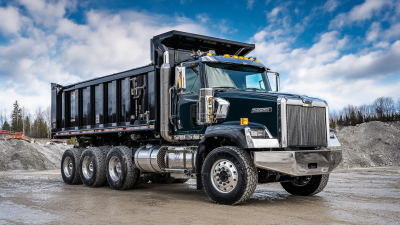
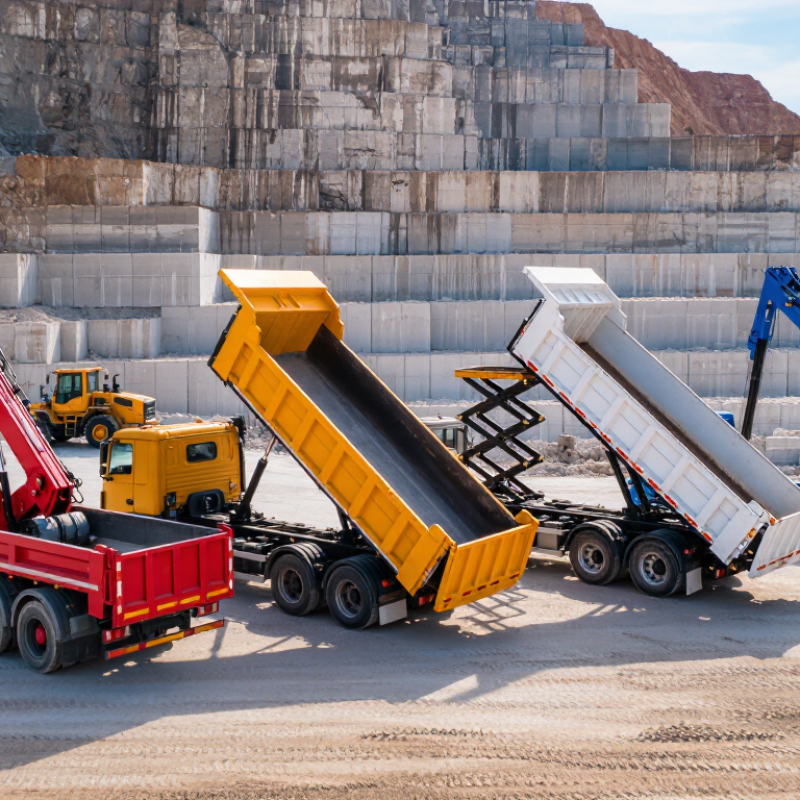
A dump truck hydraulic hoist is the lifting system that raises the cargo body for unloading. It uses pressurized hydraulic fluid, a pump, valves, hoses, and one or more cylinders. The cylinder converts fluid pressure into controlled linear force. Operators usually activate it through a cab-mounted control valve.

The common design is the telescopic hoist. Its nested stages extend upward and provide a steep tipping angle with limited installation space. A front-mounted telescopic cylinder suits many road trucks.

A twin-cylinder system distributes lifting force more evenly on wider bodies. Scissor hoists use linked arms beneath the body and can offer better stability during the early lifting stage. They also require more frame space.

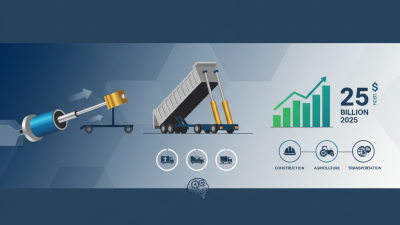
Grand View Research identifies construction equipment as a major hydraulic equipment application, while its 2024 market analysis highlights efficiency and compact design as important purchasing factors. The report does not describe every dump truck configuration, so buyers should avoid treating general market data as a direct equipment specification. That is an easy mistake.

Field inspections show that cylinder alignment, oil cleanliness, and mounting strength often matter more than advertised lifting capacity. ISO 4413 recommends safety principles for hydraulic systems, including pressure control and hose protection. In practice, a hoist must match body length, payload, tipping angle, chassis strength, and working temperature. More lifting stages are not automatically better. They can increase maintenance points and reduce stiffness when poorly selected.

How Dump Truck Hydraulic Hoists Work

2026 Top Dump Truck Hydraulic Hoist Types for Global Buyers

How Dump Truck Hydraulic Hoists Work

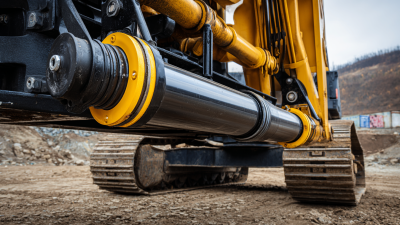
A hydraulic hoist converts pump pressure into lifting force. The pump draws oil from a reservoir and sends it through a control valve. When the valve opens, pressurized oil enters the cylinder. The piston extends, raising the loaded body around its hinge. Gravity returns the body during lowering, while the valve controls descent speed.

Telescopic cylinders suit deep bodies and limited mounting space. Front-end cylinders offer strong lifting geometry. Underbody hoists keep the chassis balanced but need careful clearance checks. A 2024 MarketsandMarkets industry report identifies construction activity and heavy material transport as major dump truck demand drivers. That demand makes cycle speed important, but pressure alone does not guarantee performance.

Most systems operate near 180–250 bar, depending on cylinder design and vehicle limits. ISO 4413 stresses cleanliness, pressure control, and safe energy isolation in hydraulic systems. Field technicians know a small oil leak can become a slow, unstable tip cycle. It can also hide seal damage. I once saw a hoist blamed for weak lifting, although the real fault was a restricted suction filter. The lesson is uncomfortable: capacity calculations must include payload distribution, oil temperature, hinge friction, and cylinder angle. Data sheets help. Real inspections decide.

Top Hydraulic Hoist Types for Dump Trucks in 2026

In 2026, telescopic front-end hoists remain a practical choice for heavy dump trucks. Their multi-stage cylinders provide strong lifting force within a compact frame. They suit quarry work, road construction, and high-payload applications. However, correct cylinder extension matters. Uneven loading can increase side stress and shorten service life.

Underbody hoists fit beneath the truck body and preserve valuable space around the chassis. They work well on medium-duty trucks with limited mounting room. Scissor hoists offer stable lifting geometry and useful support near the rear hinge. They can reduce body movement during discharge, especially on firm, level ground. Still, they may require careful clearance checks around axles, crossmembers, and exhaust components.

Single-cylinder designs can reduce weight and simplify maintenance. Twin-cylinder systems distribute lifting force more evenly on wider bodies. In cold regions, buyers should check oil viscosity, seal flexibility, and hose protection. In hot, dusty areas, filtration becomes equally important. A pressure rating alone does not prove suitability. Engineers should compare payload, body length, tipping angle, pump flow, and duty cycle. No hoist is perfect. A smaller system may lift smoothly but struggle with overloads, while an oversized system can waste power and add unnecessary chassis weight. Regular pin inspection, controlled loading, and documented hydraulic checks remain essential for dependable operation.

Which Hoist Type Fits Each Dump Truck Application?

2026 Top Dump Truck Hydraulic Hoist Types for Global Buyers

The right hoist depends on payload, body length, tipping angle, and working ground.

A front-mounted telescopic hoist suits construction trucks carrying dense materials. Its staged cylinder creates strong lifting force with a compact installation. It performs well when the body needs a high discharge angle. However, poor alignment can increase cylinder wear. Measure the mounting points carefully.

An underbody hoist fits municipal trucks and lighter-duty applications. It keeps the chassis top clear and offers convenient body access. Scissor hoists provide balanced lifting for longer bodies and uneven loads. They are useful for waste collection and aggregate transport.

Twin-cylinder designs can improve stability on wide bodies. They also demand synchronized hydraulic flow. That detail is easy to overlook. For rough quarries, select components with sealed joints, protected hoses, and suitable corrosion resistance. Confirm the hoist rating against the truck’s real payload, not its advertised maximum.

Tips:

Check hydraulic pressure, oil cleanliness, pin wear, and frame deformation during every service inspection. Test the body-limiting system on level ground. Never rely on visual strength alone. A larger hoist is not always better. It may add unnecessary weight and reduce usable payload. Local road rules, emergency controls, and installation standards must also be verified before operation. Some applications need redesign after field testing. That is normal.

Global Buyer Criteria for Hoist Selection and Maintenance

Global buyers should choose a dump truck hydraulic hoist by working conditions, not catalog appearance. Telescopic hoists suit high lifting angles and limited installation space. Underbody hoists often provide a lower center of gravity and simpler access. Front-mounted designs may deliver strong lifting force, but chassis clearance needs careful checking. Measure payload, body length, tipping angle, hydraulic pressure, and mounting space. Real measurements matter. An oversized cylinder can add weight, stress, and unnecessary oil demand.

Maintenance planning should match the buyer’s climate and service network. In dusty quarries, inspect rod surfaces, wipers, and hose connections every shift. In cold regions, select hydraulic fluid with suitable low-temperature performance. Salt exposure requires frequent cleaning around pins, joints, and cylinder seals. Keep pressure within the cylinder’s rated range. Never treat a slow lift as a minor symptom. It may indicate air, leakage, contamination, or internal wear. Record oil changes, repairs, pressure checks, and unusual noises. Small logs help.

Global procurement teams should request test data, material details, seal compatibility, relief-valve settings, and rated cycle life. Documentation should identify inspection intervals and replacement procedures. Local technicians need practical access to seals, hoses, filters, and lifting equipment. Availability matters more than attractive pricing. However, buyers sometimes overvalue maximum lifting capacity. That choice can reduce efficiency and increase frame stress. Review actual duty cycles, road conditions, and operator habits before approval. A perfect specification rarely exists. Leave room for field feedback and design revision.

2026 Top Dump Truck Hydraulic Hoist Types for Global Buyers? - Global Buyer Criteria for Hoist Selection and Maintenance

Hydraulic Hoist Type Typical Truck Application Typical Rated Lifting Capacity Typical Working Pressure Typical Body Lift Angle Main Advantages Main Limitations Best Buyer Selection Criteria
Multi-Stage Telescopic Front Hoist Medium- and heavy-duty rear dump trucks, construction haulage, quarry and aggregate transport Approximately 10–80 tonnes, depending on cylinder size, mounting design and dump-body geometry Commonly 160–250 bar; the permitted value must match the cylinder and hydraulic circuit rating Approximately 45°–52° High lifting stroke, good clearance from the chassis, suitable for long dump bodies and high payloads Higher purchase cost; greater sensitivity to side loading, contamination and uneven loading Check closed length, stroke, mounting angle, payload distribution, hydraulic pressure and replacement-seal availability
Twin-Cylinder Front Hoist Heavy-duty dump bodies requiring balanced lifting and high structural stability Approximately 20–100 tonnes as a complete lifting system, subject to the combined cylinder rating Commonly 160–250 bar Approximately 45°–50° Good load balance, reduced twisting of the body and improved suitability for wide or heavy bodies More hydraulic connections and synchronization requirements; higher installation complexity Confirm equal cylinder flow, cross-member strength, hose routing, frame twist tolerance and service access
Underbody Telescopic Hoist Medium-duty trucks, municipal fleets, short-wheelbase chassis and retrofit applications Approximately 5–30 tonnes Commonly 160–210 bar Approximately 40°–50° Compact installation, protected position and good compatibility with shorter dump bodies Limited ground clearance; exposed to road debris, salt, impact and restricted service access Measure chassis clearance, driveshaft and axle movement, mounting envelope, corrosion protection and load center
Underbody Scissor Hoist Light- and medium-duty dump trucks, utility bodies and applications needing strong initial lifting force Approximately 5–25 tonnes Commonly 160–210 bar Approximately 45°–55° High mechanical advantage at the start of lifting, compact body-side installation and stable geometry More moving pins and bushings; requires careful alignment and regular lubrication Evaluate pin diameter, bushing material, scissor clearance, grease-point access and frame reinforcement
Front-Mounted Single-Ram Hoist General-purpose rear dump trucks with moderate body length and standard payload requirements Approximately 8–40 tonnes Commonly 160–250 bar Approximately 45°–50° Simple layout, fewer components and relatively straightforward inspection and replacement Greater sensitivity to off-center loads and body alignment than a properly synchronized twin-cylinder system Match cylinder thrust to the worst-case load position, not only the nominal payload weight
Double-Acting Hoist System Fleet operations requiring controlled raising and powered lowering of the dump body Approximately 10–60 tonnes, depending on the cylinder and body design Commonly 160–250 bar on the lifting circuit Approximately 40°–50° Improved control in confined areas, reduced reliance on gravity during lowering and better positioning accuracy More valves, hoses and seals; requires correct control settings and additional maintenance Confirm return-line filtration, valve compatibility, emergency lowering method and operator training requirements

Global Buyer Selection and Maintenance Checklist

Evaluation Dimension Recommended Buyer Requirement Practical Inspection or Maintenance Action
Rated Capacity Select using payload, body tare weight, material density, load position and starting angle; do not size only by nominal payload Check for overload, shock loading, frozen material and off-center loading during operation
Hydraulic Compatibility Match maximum pressure, oil flow, port size, cylinder bore, stroke and mounting dimensions with the truck system Verify pressure relief settings and inspect hoses, fittings and couplings for leaks or abrasion
Frame and Body Geometry Confirm closed height, open height, pivot location, body length, chassis width and interference clearance Inspect mounting bolts, welds, pivot brackets and cross-members for cracks, deformation or loosening
Operating Environment Specify corrosion protection and seal materials for cold, hot, dusty, wet, coastal or chemically aggressive environments Clean road salt, mud and aggregate dust; inspect exposed rod surfaces and apply approved protection where required
Lubrication and Wear Parts Prefer accessible grease points, replaceable bushes, standard seals and locally available hydraulic oil and filters Grease pins and bushes according to duty cycle; replace worn pins, bushes and seals before excessive movement develops
Hydraulic Oil Cleanliness Use clean, compatible hydraulic fluid and filtration suitable for the pump, valves and cylinder seals Check oil level and appearance regularly; replace filters and oil at the vehicle or system manufacturer’s interval
Daily Safety Inspection Require a documented pre-operation inspection and a body-support procedure for work beneath a raised body Inspect leaks, locks, warning systems, body props, pivots and hose routing before each shift
Service and Spare Parts Obtain dimensional drawings, seal specifications, service instructions and parts support before purchase Maintain records of operating hours, repairs, leakage, pressure tests and replaced components

Note: Capacity, pressure and lift-angle figures are typical industry ranges for comparison. Final selection must be verified against the truck chassis, dump-body design, hydraulic circuit, local regulations and the hoist manufacturer’s technical specifications.