2026 Top Telescopic Cylinder Trends and Innovations Explained
In the rapidly evolving landscape of industrial equipment, the Telescopic Cylinder stands out for its versatility and efficiency. Renowned expert Dr. Samuel Lewis, a leading authority in hydraulic systems, has stated, "The future of machinery hinges on the innovations in telescopic cylinders." This highlights the growing importance of these components in various sectors.
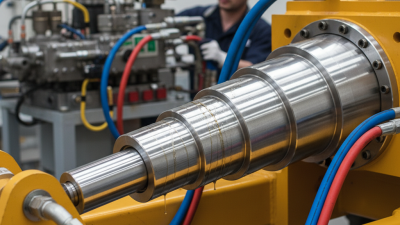
Telescopic cylinders play a crucial role in enhancing machinery performance. They are engineered to extend and retract, allowing for compact designs that save space. With industries pushing for greater efficiency, understanding the latest trends in telescopic cylinder technology is essential. Innovations focusing on materials and design significantly impact their performance and durability.
However, the industry faces challenges. Some designs may lead to reliability issues under extreme conditions. As we explore the 2026 trends, it is vital to reflect on both advancements and potential shortcomings. The journey of the telescopic cylinder continues, and with it, the promise of increased efficiency and functionality.

Emerging Technologies in Telescopic Cylinder Design for 2026
The year 2026 is set to witness significant advancements in telescopic cylinder design. Innovations in materials will play a key role. Lightweight composites can increase efficiency, while advanced alloys offer better durability. These materials may allow for more compact designs, which are crucial in sectors like construction and automotive.
Automation technology is also emerging. Smart telescopic cylinders equipped with sensors will provide real-time data on pressure and temperature. This data can enhance safety and improve performance metrics. However, the integration of these technologies raises questions about maintenance and repair. Understanding the interplay between automation and reliability will be essential for manufacturers.
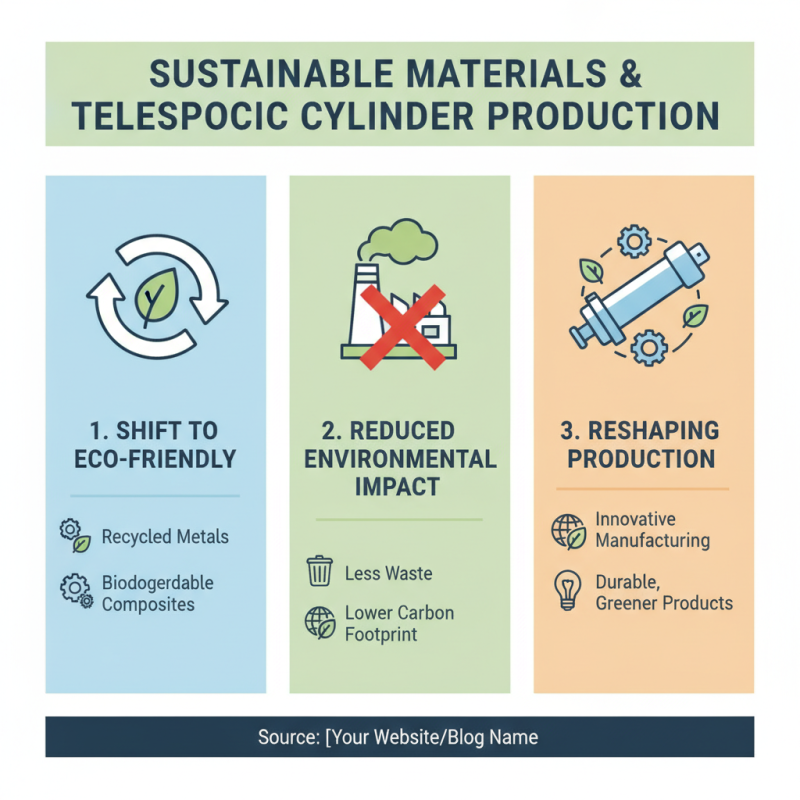
Sustainability trends are reshaping design strategies. Recycling materials and energy-efficient production methods are becoming standard. Yet, challenges remain. How to balance innovation with environmental impact requires ongoing assessment. The road ahead is filled with opportunity, but careful thought is essential to navigate the complexities.
Innovations in Telescopic Cylinder Manufacturing Processes
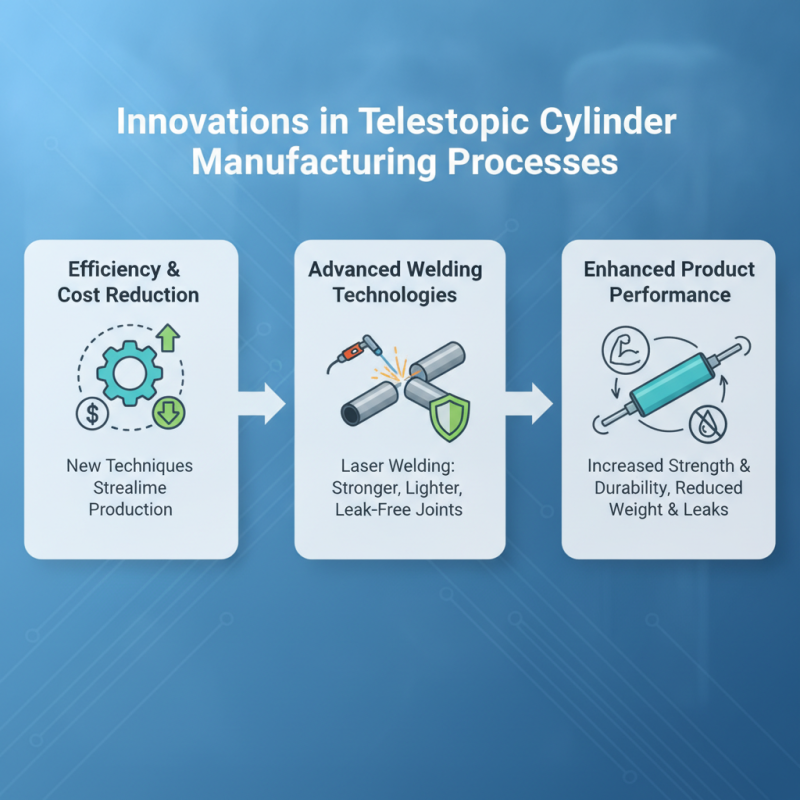
The telescopic cylinder industry is rapidly evolving, driven by innovations in manufacturing processes. New techniques are enhancing efficiency and reducing production costs. Advanced welding technologies, such as laser welding, create stronger joints, minimizing the risk of leaks. This innovation allows for lighter construction without sacrificing strength.
In addition, automation is changing production lines. Robotics streamline assembly, which improves consistency and speeds up output. Yet, challenges remain. Adaptation to new technologies can be a hurdle for smaller manufacturers. Skilled labor shortages also hinder growth in this sector.
Recycling is another trend to follow. Using reclaimed materials for production has environmental benefits and can reduce costs. However, the quality of recycled materials can vary, posing risks. Manufacturers must ensure that performance standards are maintained. Overall, the future of telescopic cylinder manufacturing is bright, but navigating these innovations requires careful consideration.
Advancements in Performance and Durability of Telescopic Cylinders
Telescopic cylinders are evolving rapidly. Recent advancements focus on enhancing performance and durability. These innovations affect industries ranging from construction to transportation. Manufacturers employ advanced materials for better strength and resilience. This results in reduced maintenance costs and longer service life.
Improving seal design is crucial. Better seals protect against dust and moisture. This contributes to consistent performance over time. However, challenges persist. Some designs may still struggle under extreme conditions. Engineers must continually assess these weaknesses. Furthermore, the balance between weight and strength often leads to trade-offs.
Another trend is the incorporation of smart technology. Sensors can monitor cylinder performance in real time. This raises efficiency but also increases complexity. Operators may face a learning curve. Effective training is essential to harness these technologies fully. Overall, the focus on durability and performance presents opportunities for further growth and challenges in deployment.
2026 Telescopic Cylinder Performance and Durability Trends
Future Applications of Telescopic Cylinders Across Various Industries
Telescopic cylinders are gaining traction across various industries. They enable compact design and efficient space utilization, making them ideal for construction and manufacturing. According to a recent industry report, the global telescopic cylinder market is projected to grow at a CAGR of 5.7% through 2026. This growth reflects a rising demand for automation and advanced machinery.
In the construction sector, telescopic cylinders facilitate the operation of heavy machinery. They provide powerful lifting capabilities while maintaining a small footprint. Their ability to extend and retract smoothly is essential for cranes and excavators. Moreover, in the logistics industry, these cylinders enhance loading and unloading processes. However, challenges exist. Manufacturers must address issues related to wear and tear, which can lead to decreased performance.
Future applications of telescopic cylinders are promising but complex. The agricultural industry shows a significant interest, especially in automated harvesting machines. Sustainability considerations also drive innovation. However, achieving cost-effectiveness without compromising safety remains a challenge. As industries evolve, the focus on research and development will determine how effectively these cylinders meet new demands.
2026 Top Telescopic Cylinder Trends and Innovations Explained - Future Applications of Telescopic Cylinders Across Various Industries
| Industry |
Current Trends |
Innovations |
Future Applications |
| Construction |
Increased efficiency through automation |
Smart sensor integration |
Automated building equipment |
| Agriculture |
Enhanced lifting capacity for machinery |
Telematics for crop management |
Precision farming applications |
| Manufacturing |
Adaptable design for various products |
3D printing of cylinder components |
Flexible production lines |
| Transportation |
Lightweight materials for weight reduction |
Hydraulic innovations for better performance |
Electric vehicle applications |
| Mining |
Focus on safety and reliability |
Remote control technologies |
Autonomous systems |